Wishbone Chair
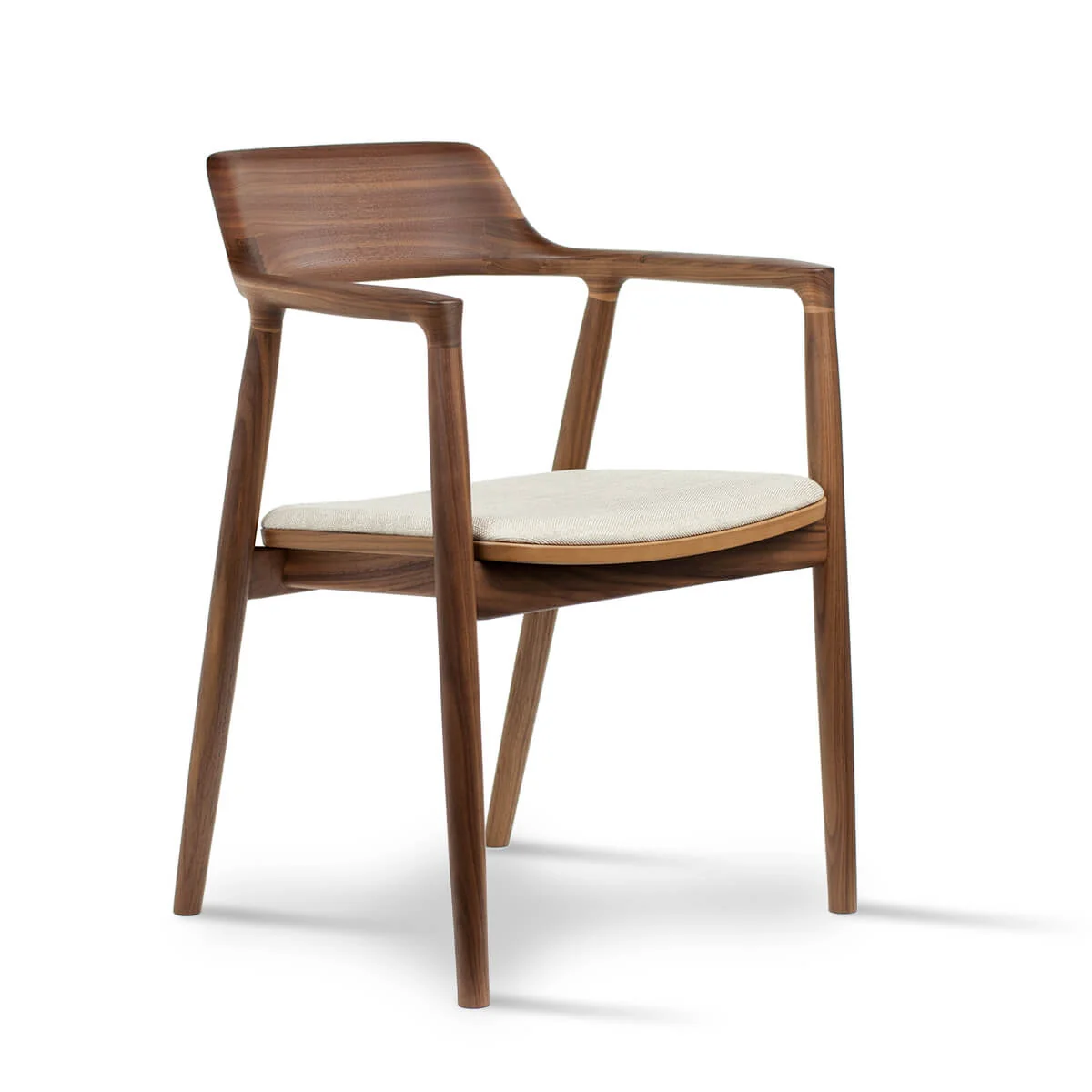
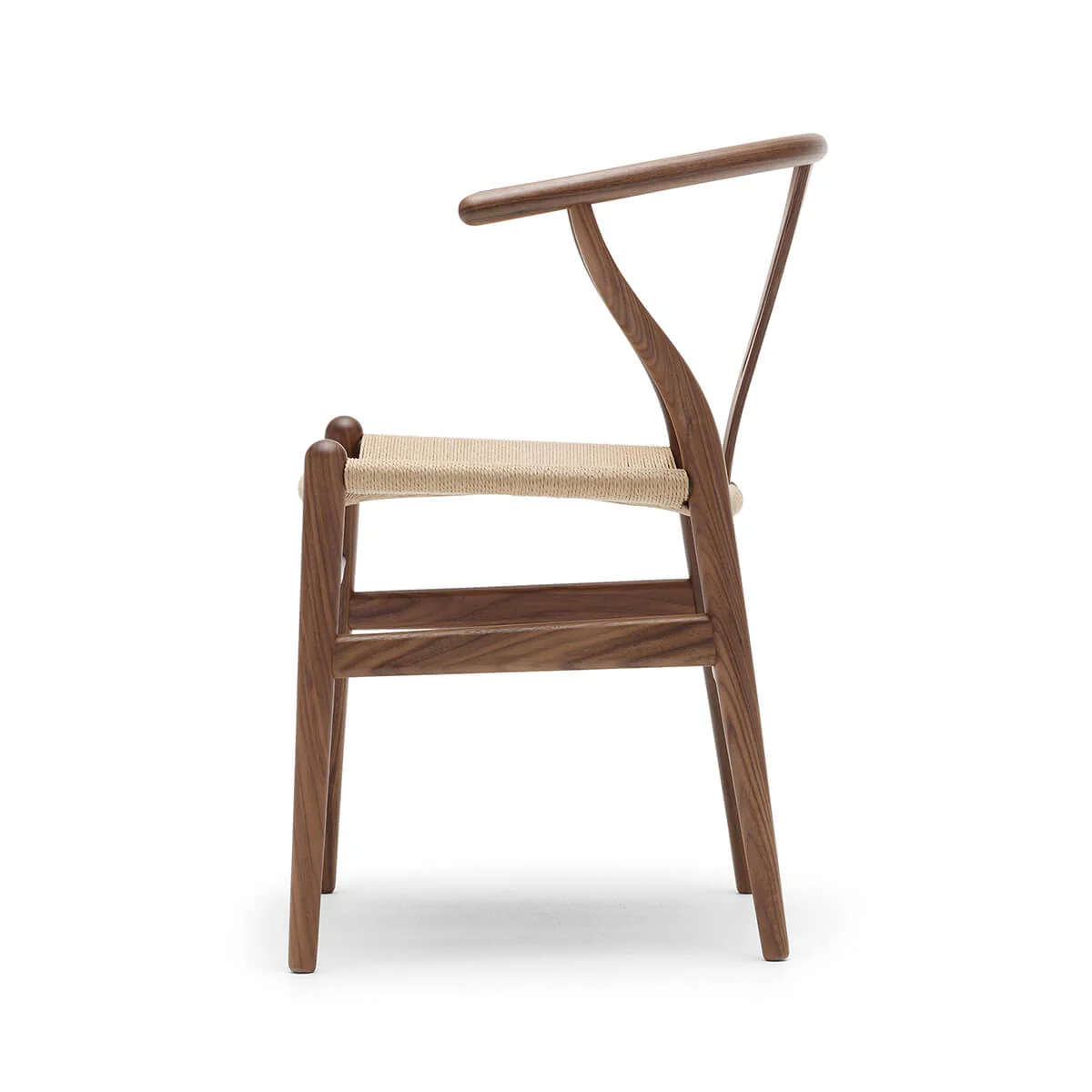
Designed by Hans J. Wegner for Carl Hansen & Søn in 1949, the Wishbone Chair has remained in uninterrupted production since 1950, a rare distinction that speaks to the enduring rightness of its form. Its Y-shaped back, from which its popular name derives, is at once structural and expressive, a single gesture that resolves both posture and silhouette.
What appears effortlessly simple is, in practice, a feat of sustained craft. Each chair passes through more than 100 individual production steps. The hand-woven seat alone requires over 120 meters of paper cord, a technique rooted in Scandinavian folk tradition and adapted here with precision and economy.
- Solid wood frame in a range of species and finishes
- Hand-woven paper cord seat, a defining material detail
- Designed 1949, in continuous production since 1950
- Manufactured by Carl Hansen & Søn, Denmark
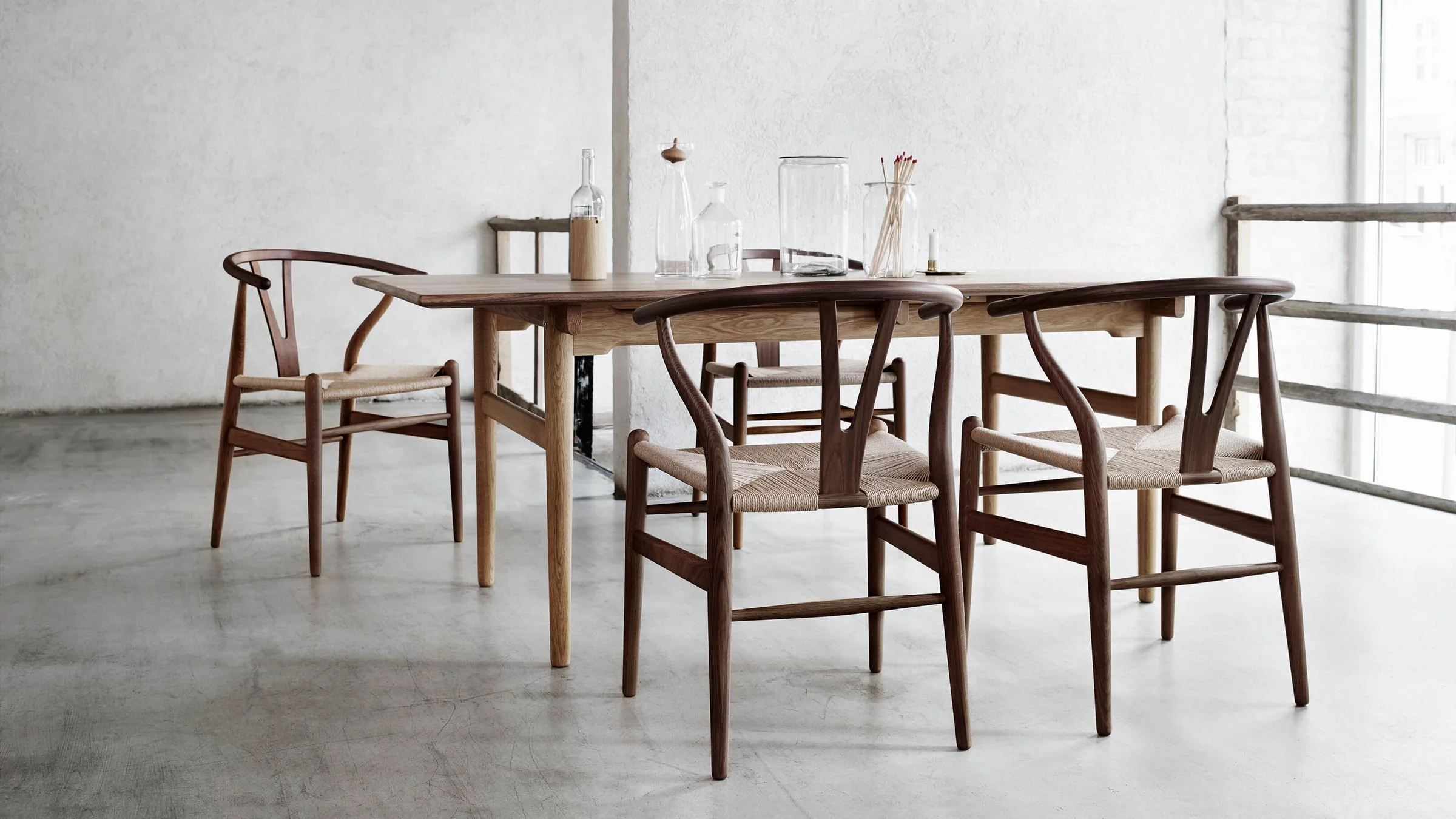
Wegner approached the chair as an object of daily life, not as aesthetic exercise. The Wishbone Chair succeeds because its proportions serve the body as faithfully as they serve the eye. It belongs equally at a working dining table, a studio desk, or a quiet corner, without concession or compromise.
More Images





Wishbone Chair
Designed by Hans J. Wegner for Carl Hansen & Søn in 1949, the Wishbone Chair has remained in uninterrupted production since 1950, a rare distinction that speaks to the enduring rightness of its form. Its Y-shaped back, from which its popular name derives, is at once structural and expressive, a single gesture that resolves both posture and silhouette.
What appears effortlessly simple is, in practice, a feat of sustained craft. Each chair passes through more than 100 individual production steps. The hand-woven seat alone requires over 120 meters of paper cord, a technique rooted in Scandinavian folk tradition and adapted here with precision and economy.
- Solid wood frame in a range of species and finishes
- Hand-woven paper cord seat, a defining material detail
- Designed 1949, in continuous production since 1950
- Manufactured by Carl Hansen & Søn, Denmark
Wegner approached the chair as an object of daily life, not as aesthetic exercise. The Wishbone Chair succeeds because its proportions serve the body as faithfully as they serve the eye. It belongs equally at a working dining table, a studio desk, or a quiet corner, without concession or compromise.
Product Information
Product Information
Shipping & Returns
Shipping & Returns
Description
Designed by Hans J. Wegner for Carl Hansen & Søn in 1949, the Wishbone Chair has remained in uninterrupted production since 1950, a rare distinction that speaks to the enduring rightness of its form. Its Y-shaped back, from which its popular name derives, is at once structural and expressive, a single gesture that resolves both posture and silhouette.
What appears effortlessly simple is, in practice, a feat of sustained craft. Each chair passes through more than 100 individual production steps. The hand-woven seat alone requires over 120 meters of paper cord, a technique rooted in Scandinavian folk tradition and adapted here with precision and economy.
- Solid wood frame in a range of species and finishes
- Hand-woven paper cord seat, a defining material detail
- Designed 1949, in continuous production since 1950
- Manufactured by Carl Hansen & Søn, Denmark
Wegner approached the chair as an object of daily life, not as aesthetic exercise. The Wishbone Chair succeeds because its proportions serve the body as faithfully as they serve the eye. It belongs equally at a working dining table, a studio desk, or a quiet corner, without concession or compromise.