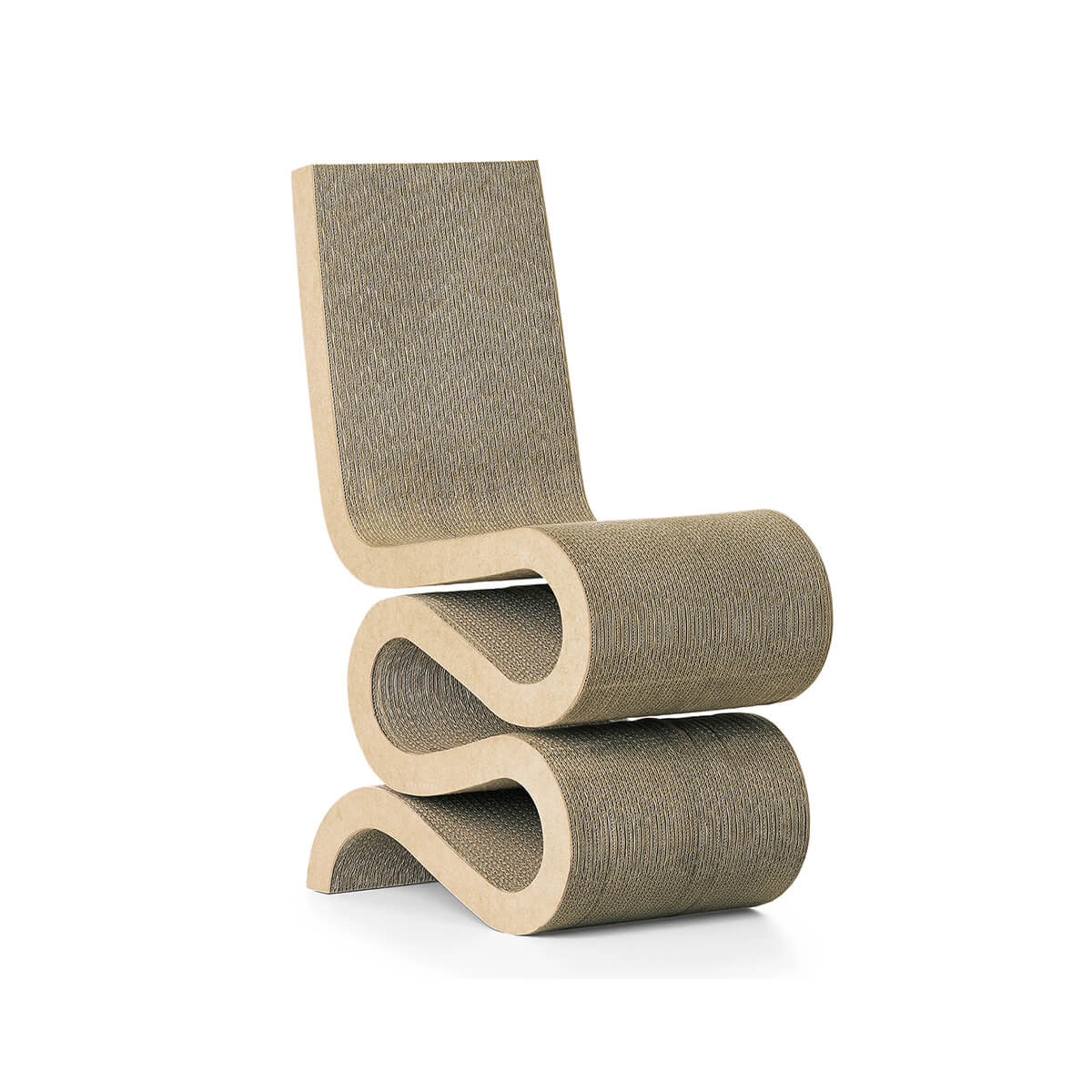
Wiggle Side Chair
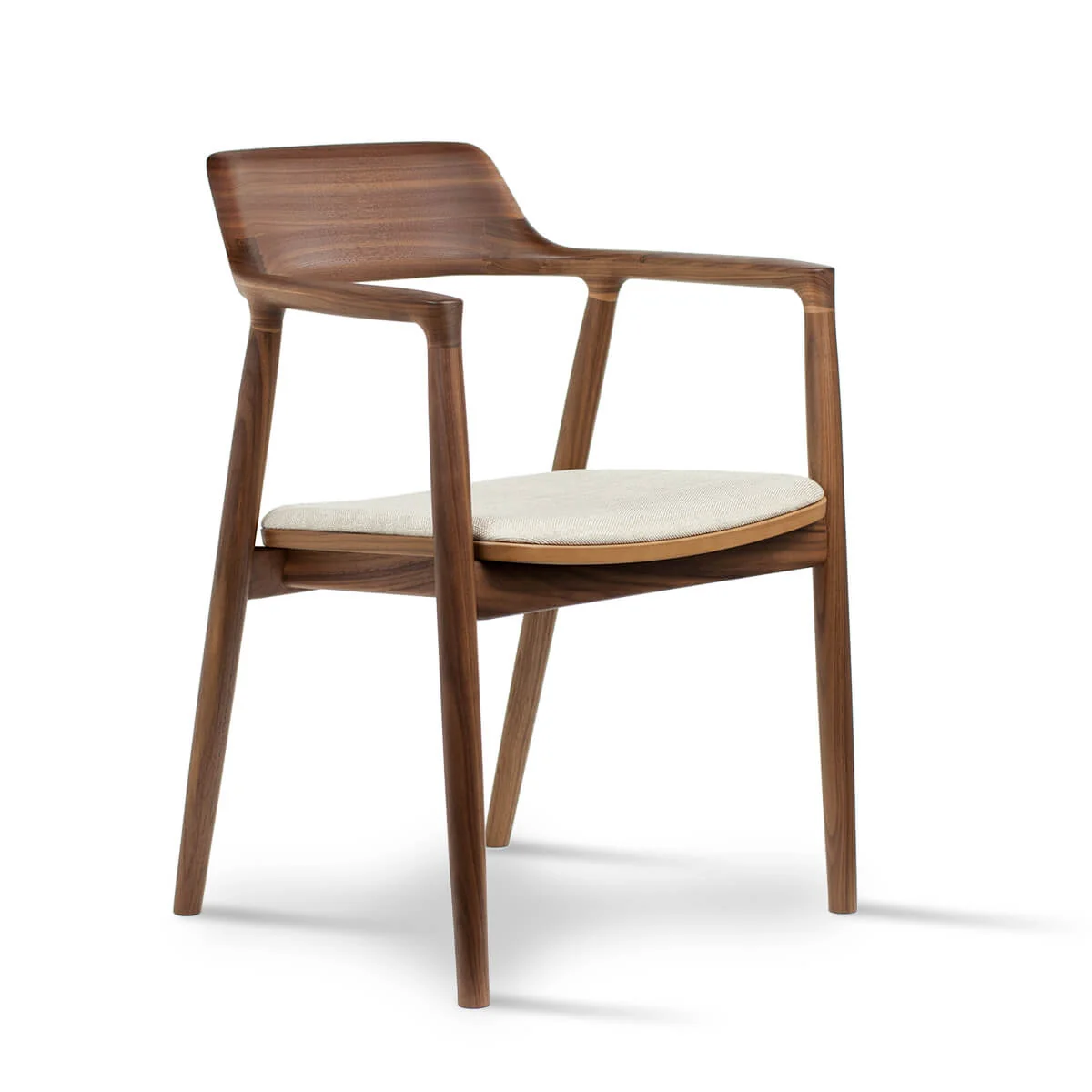
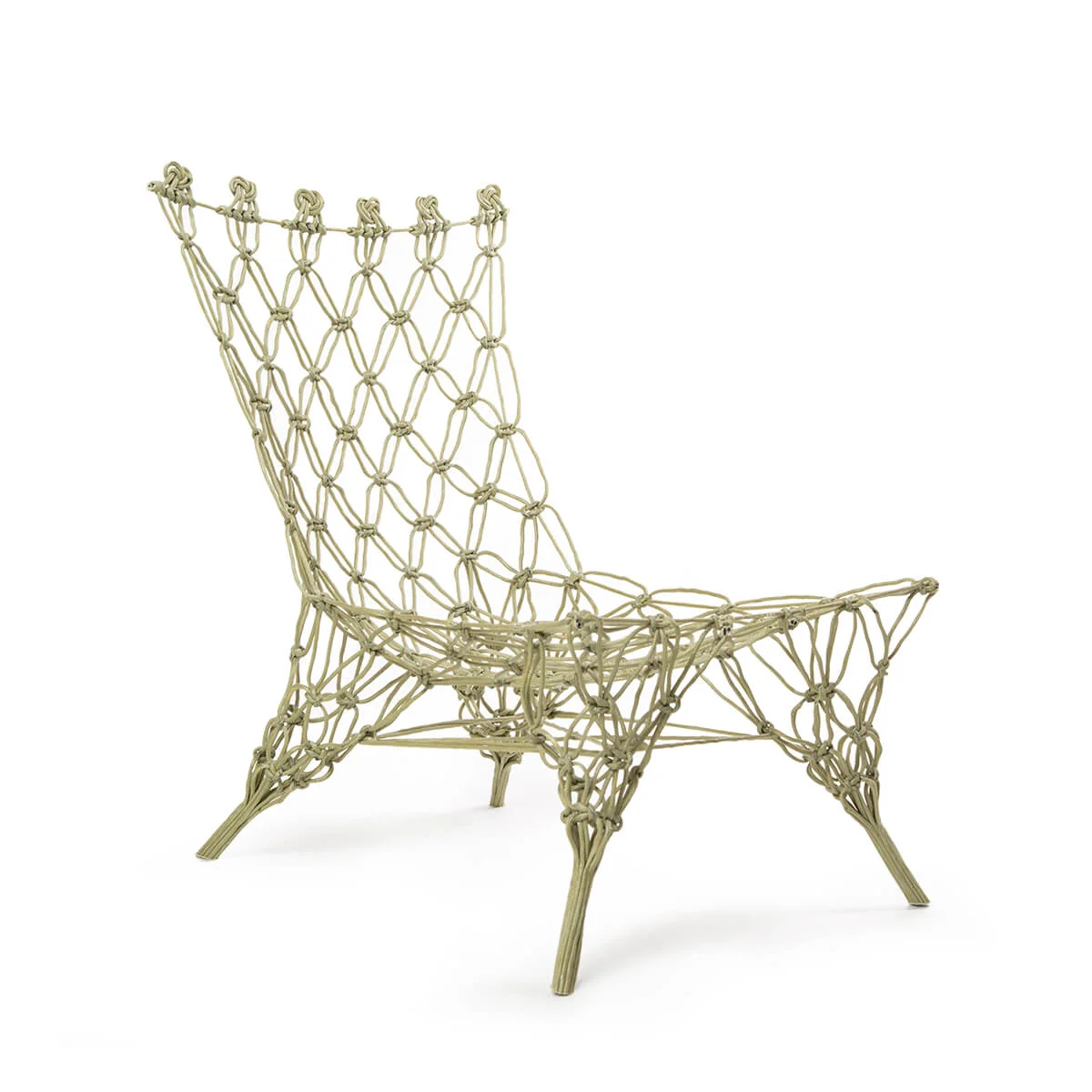
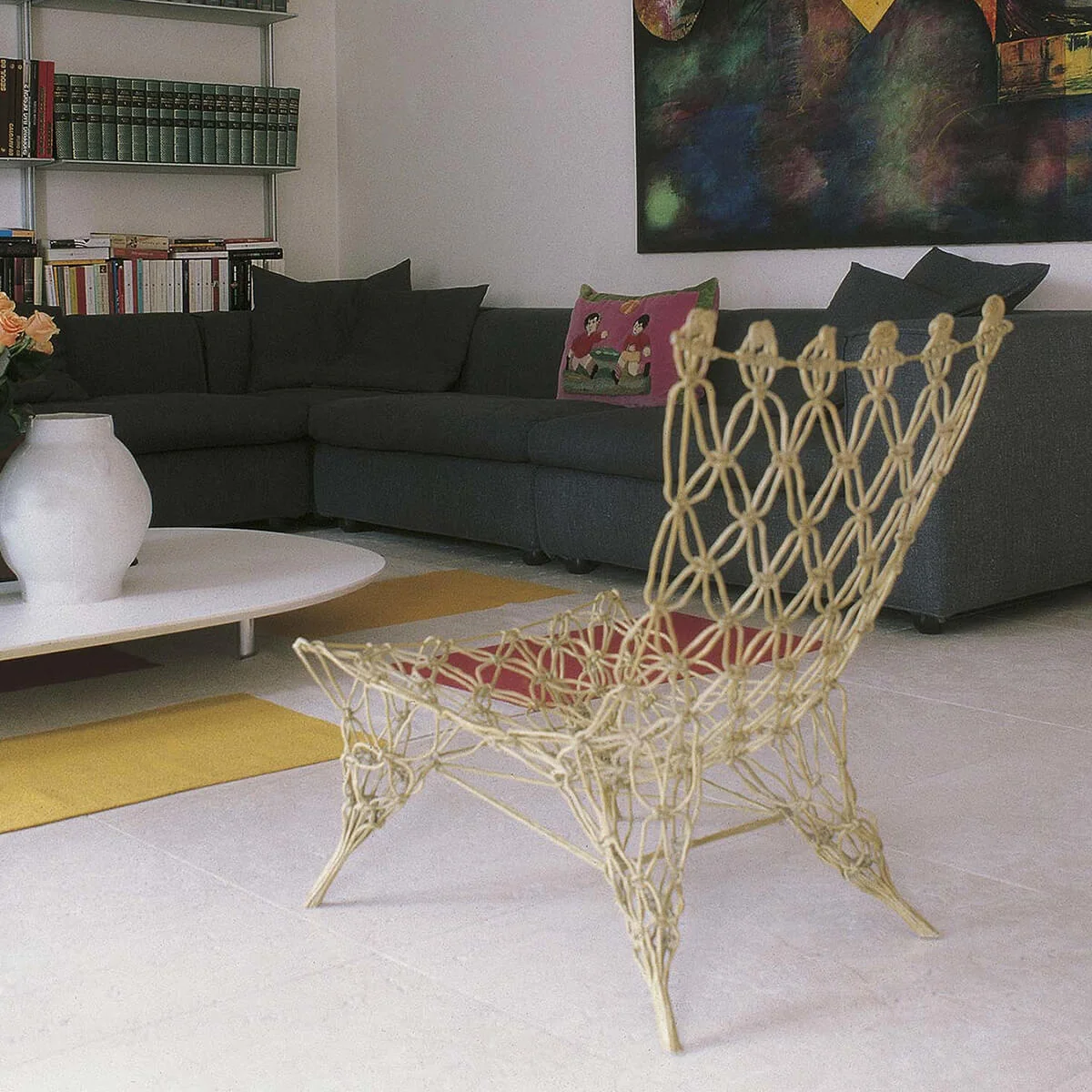
Frank Gehry designed the Wiggle Side Chair in 1972 as part of his Easy Edges series, a body of work that reframed corrugated cardboard as a serious architectural material. Layers of cardboard are laminated with alternating grain directions, producing a cross-section of extraordinary rigidity and a sinuous, wave-like silhouette that no conventional timber joinery could replicate.
The chair's form follows directly from its making. The undulating profile is not ornament but structure, each curve a response to the material's load-bearing logic. The result is a seat that carries the body with genuine comfort, despite its origins in the most quotidian of industrial materials.
- Constructed from layers of laminated corrugated cardboard with alternating grain orientation
- Sculptural profile derived from structural necessity, not stylistic gesture
- Originally designed in 1972, reissued by Vitra with Gehry's direct involvement
- A recognized icon of late-twentieth-century design culture
Gehry's broader practice has always found poetry in the unexpected. The Easy Edges series remains one of the clearest expressions of that instinct, demonstrating that material intelligence and aesthetic ambition are not opposing forces.
Original: $1,740.00
-65%$1,740.00
$609.00More Images
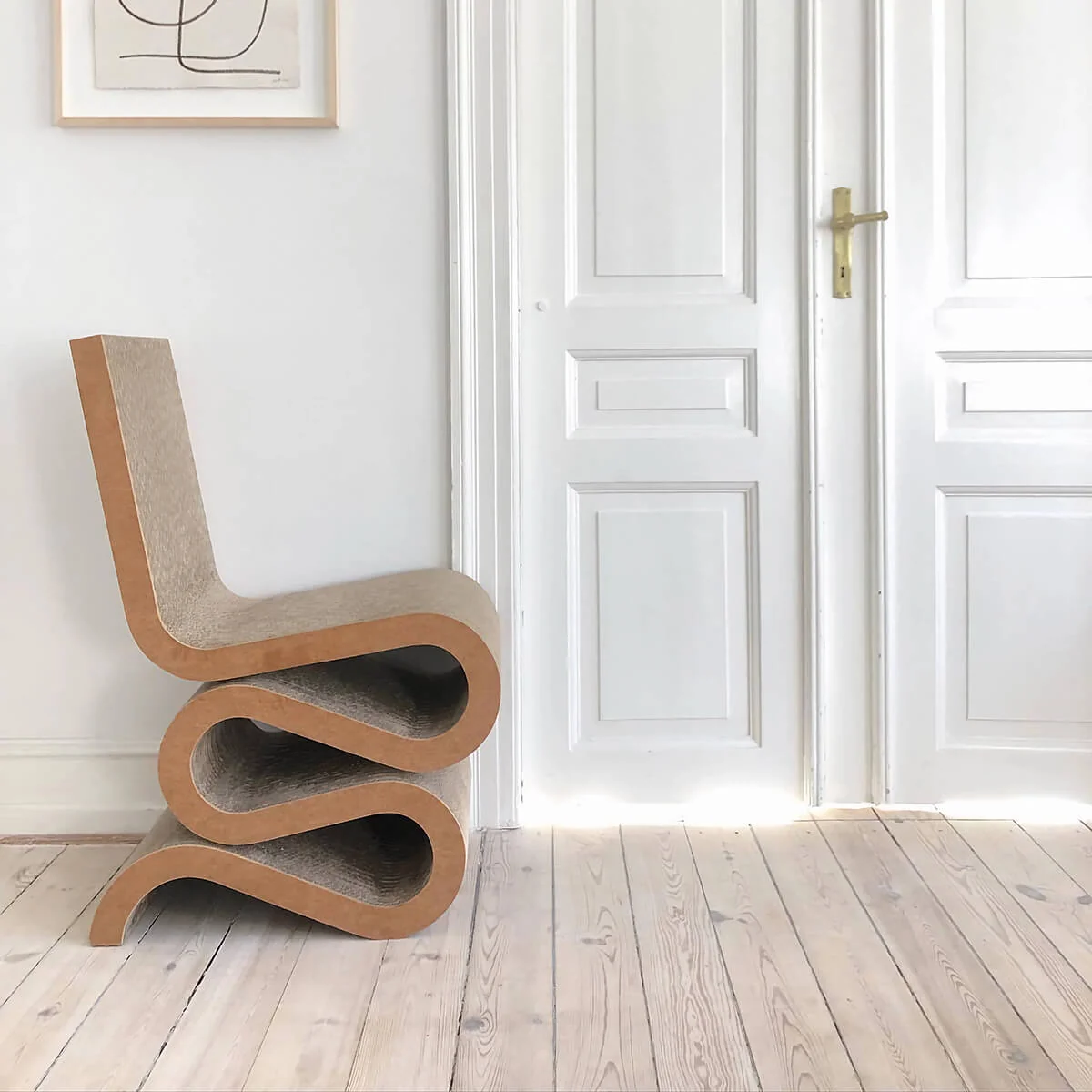
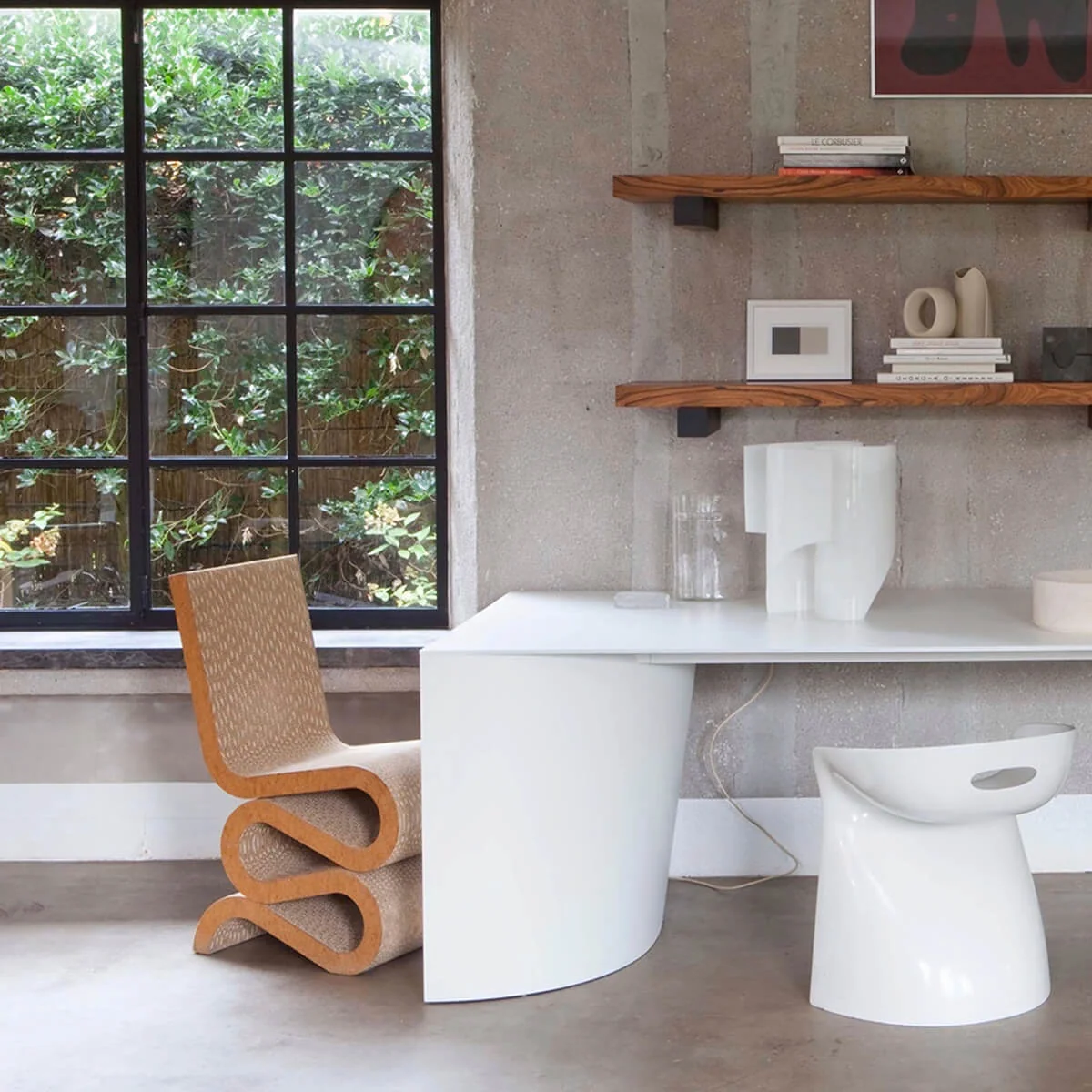
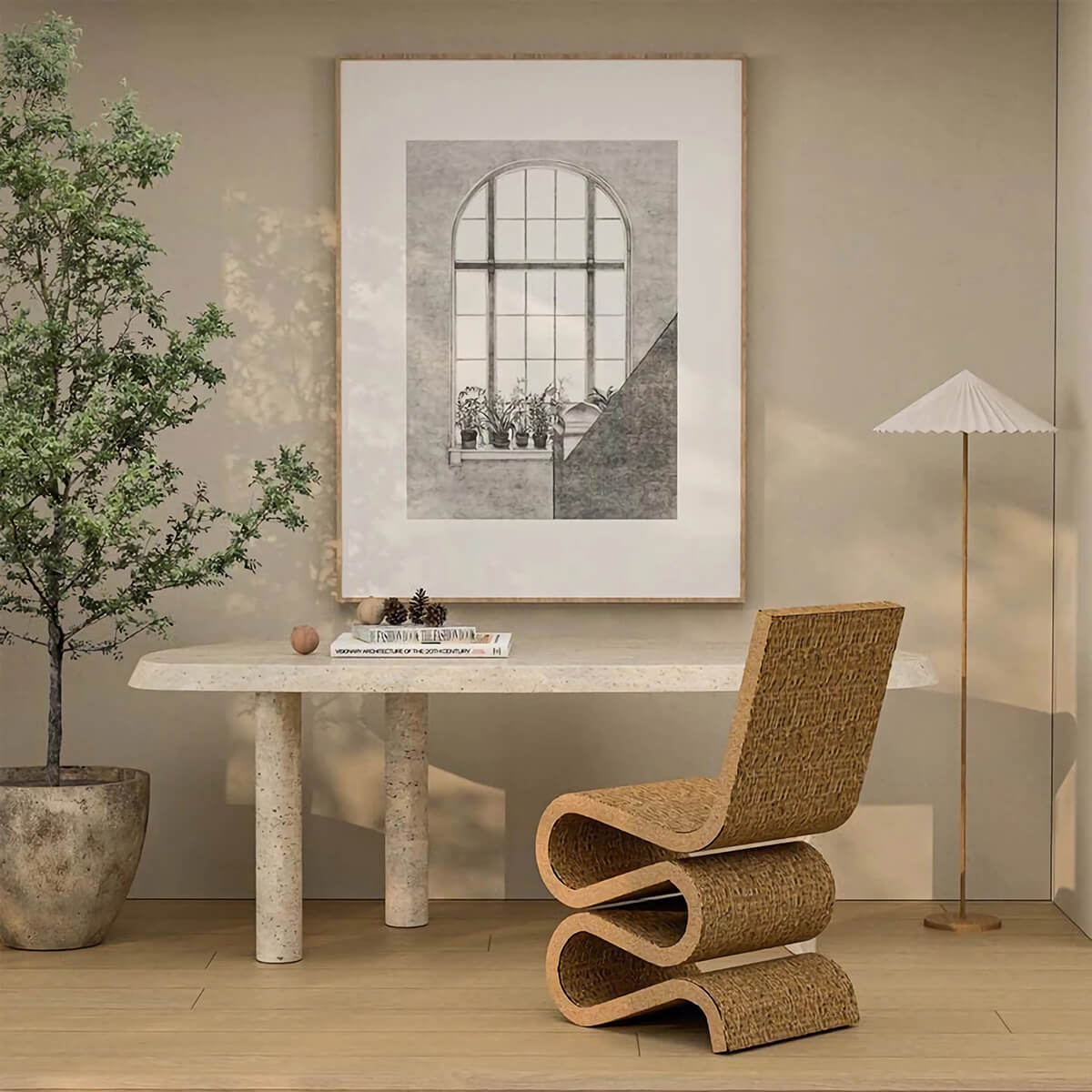
Wiggle Side Chair
Frank Gehry designed the Wiggle Side Chair in 1972 as part of his Easy Edges series, a body of work that reframed corrugated cardboard as a serious architectural material. Layers of cardboard are laminated with alternating grain directions, producing a cross-section of extraordinary rigidity and a sinuous, wave-like silhouette that no conventional timber joinery could replicate.
The chair's form follows directly from its making. The undulating profile is not ornament but structure, each curve a response to the material's load-bearing logic. The result is a seat that carries the body with genuine comfort, despite its origins in the most quotidian of industrial materials.
- Constructed from layers of laminated corrugated cardboard with alternating grain orientation
- Sculptural profile derived from structural necessity, not stylistic gesture
- Originally designed in 1972, reissued by Vitra with Gehry's direct involvement
- A recognized icon of late-twentieth-century design culture
Gehry's broader practice has always found poetry in the unexpected. The Easy Edges series remains one of the clearest expressions of that instinct, demonstrating that material intelligence and aesthetic ambition are not opposing forces.
Product Information
Product Information
Shipping & Returns
Shipping & Returns
Description
Frank Gehry designed the Wiggle Side Chair in 1972 as part of his Easy Edges series, a body of work that reframed corrugated cardboard as a serious architectural material. Layers of cardboard are laminated with alternating grain directions, producing a cross-section of extraordinary rigidity and a sinuous, wave-like silhouette that no conventional timber joinery could replicate.
The chair's form follows directly from its making. The undulating profile is not ornament but structure, each curve a response to the material's load-bearing logic. The result is a seat that carries the body with genuine comfort, despite its origins in the most quotidian of industrial materials.
- Constructed from layers of laminated corrugated cardboard with alternating grain orientation
- Sculptural profile derived from structural necessity, not stylistic gesture
- Originally designed in 1972, reissued by Vitra with Gehry's direct involvement
- A recognized icon of late-twentieth-century design culture
Gehry's broader practice has always found poetry in the unexpected. The Easy Edges series remains one of the clearest expressions of that instinct, demonstrating that material intelligence and aesthetic ambition are not opposing forces.