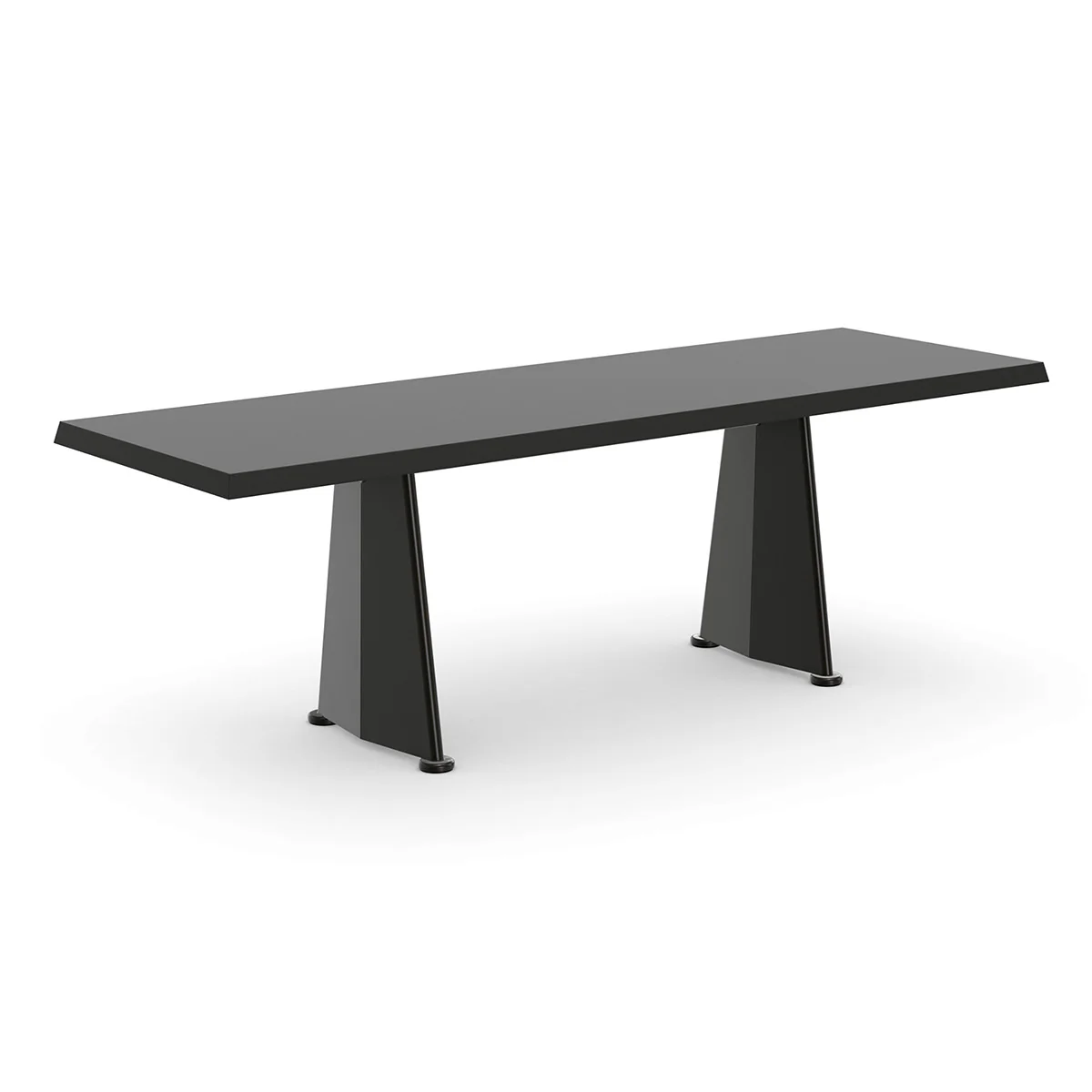
Trapèze
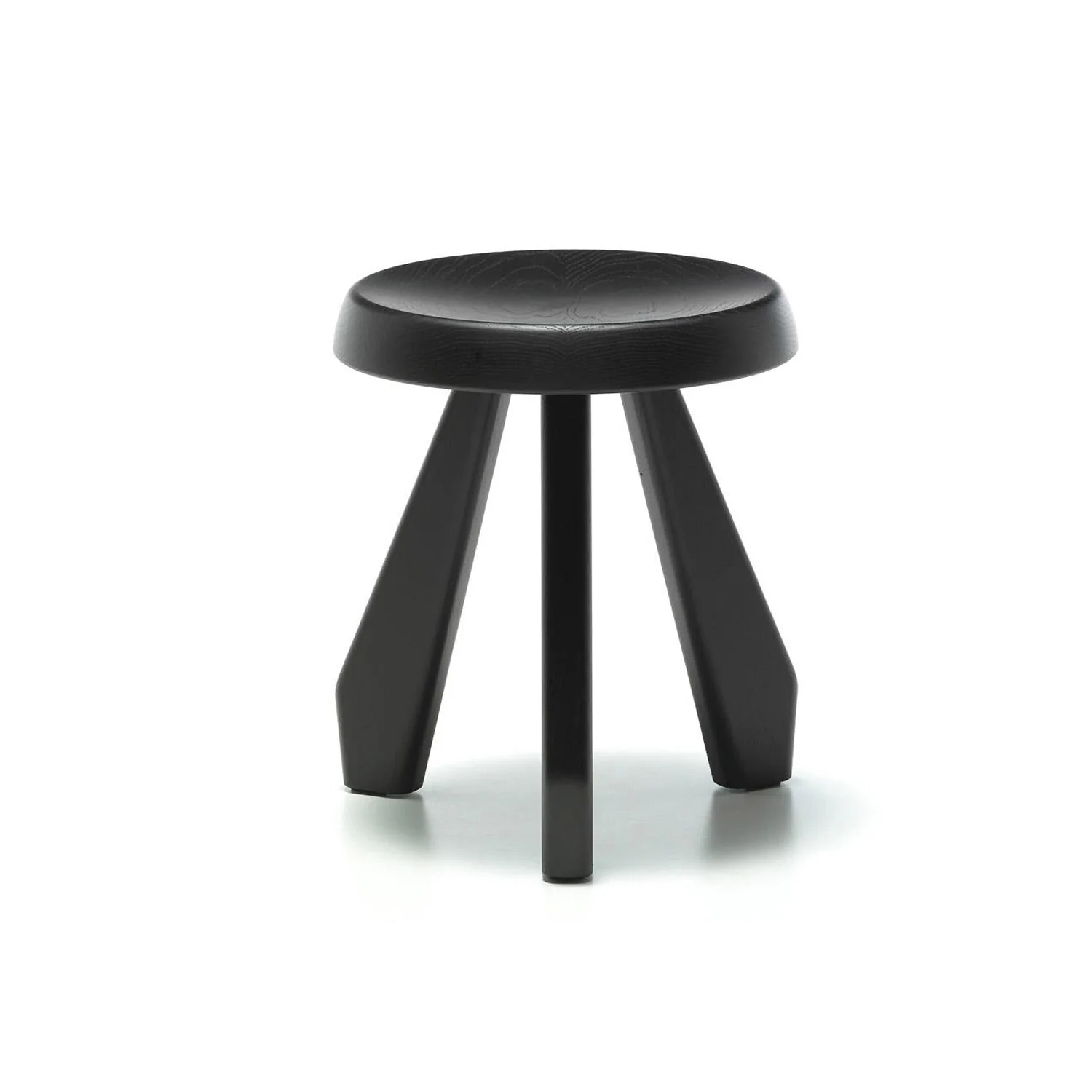
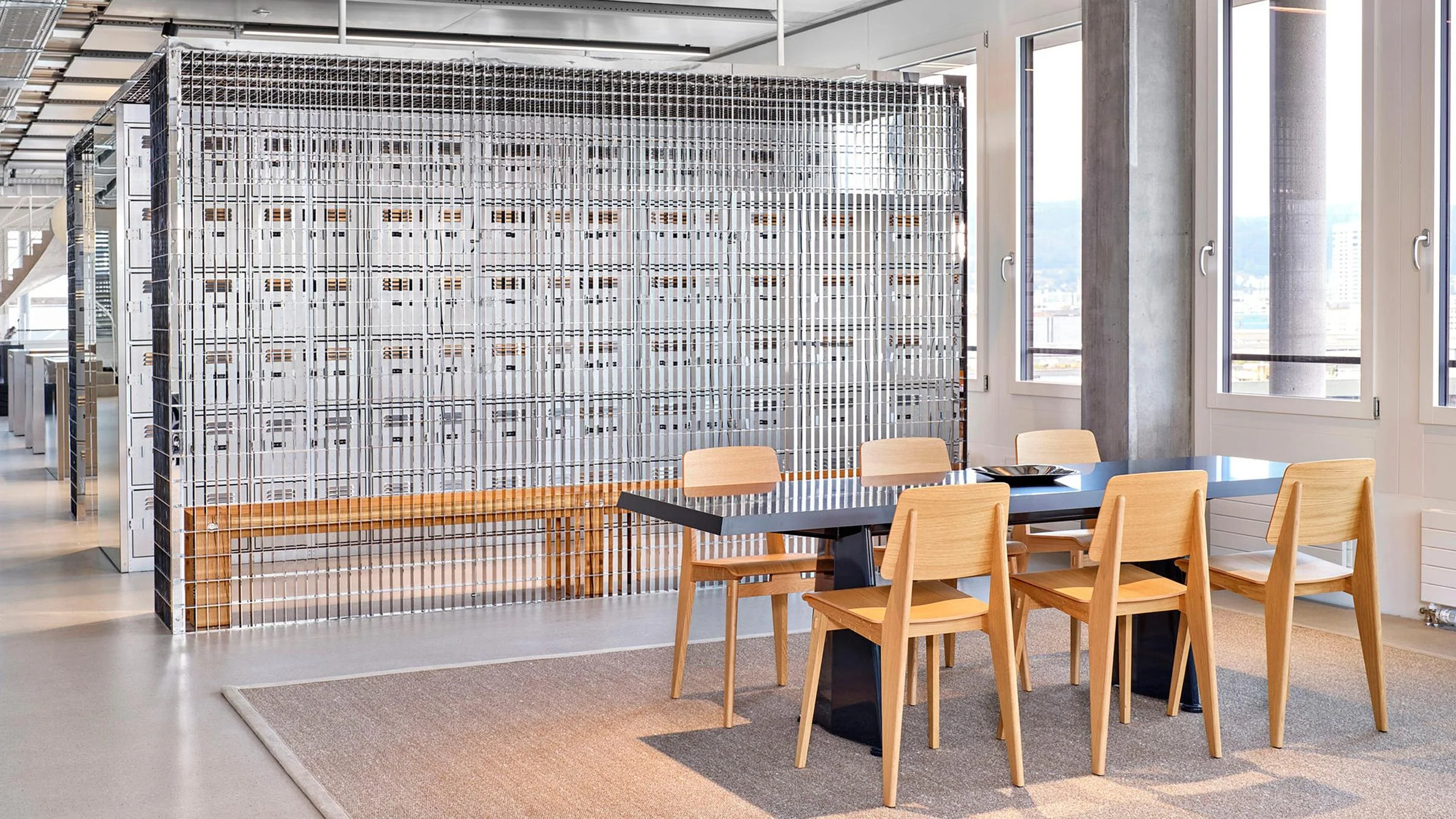
Jean Prouvé conceived the Trapèze in the early 1950s for the Cité Universitaire in Antony, outside Paris. The commission demanded furniture that could hold its own within an architectural context, and Prouvé answered with a table that reads as a small building in its own right.
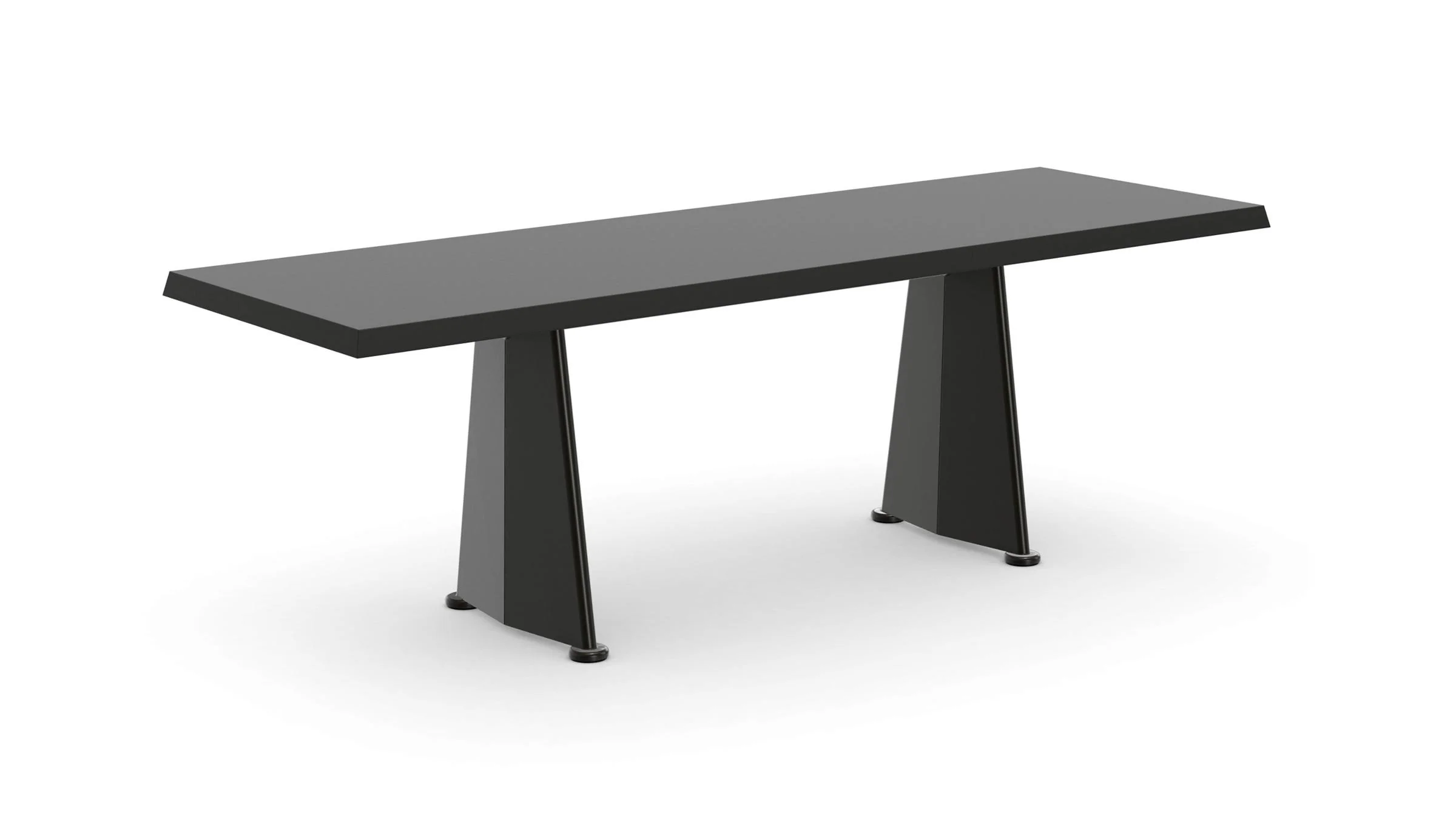
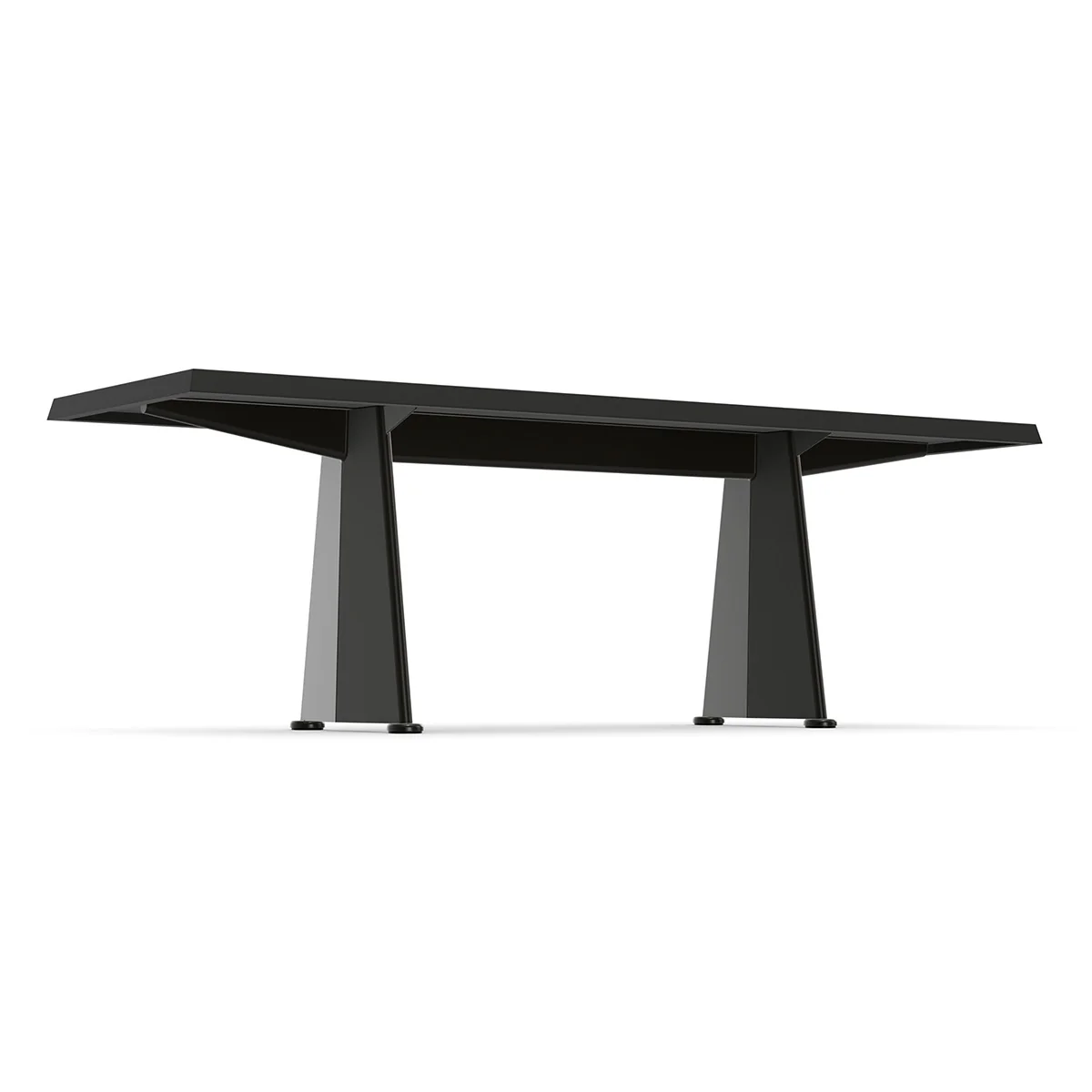
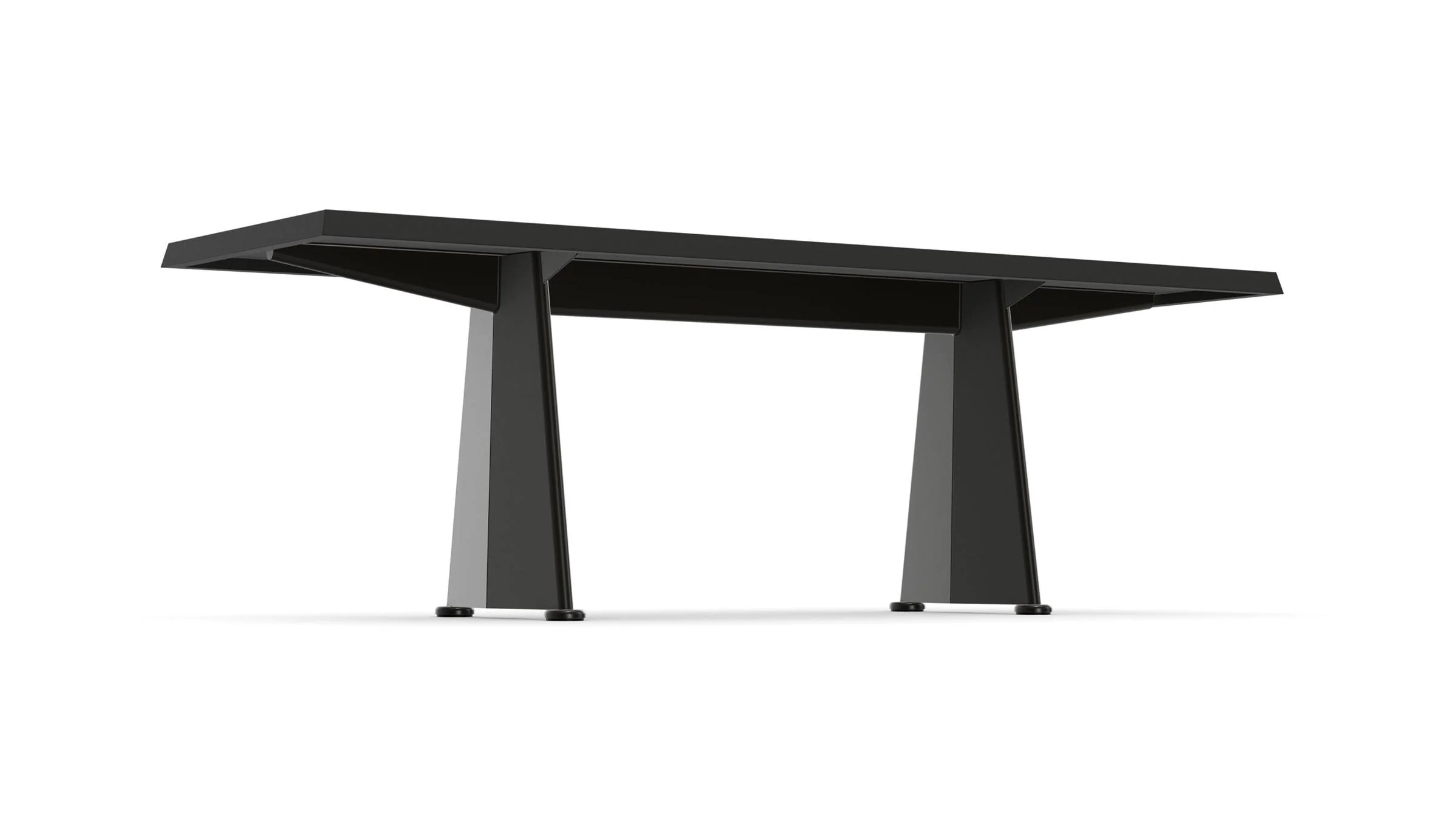
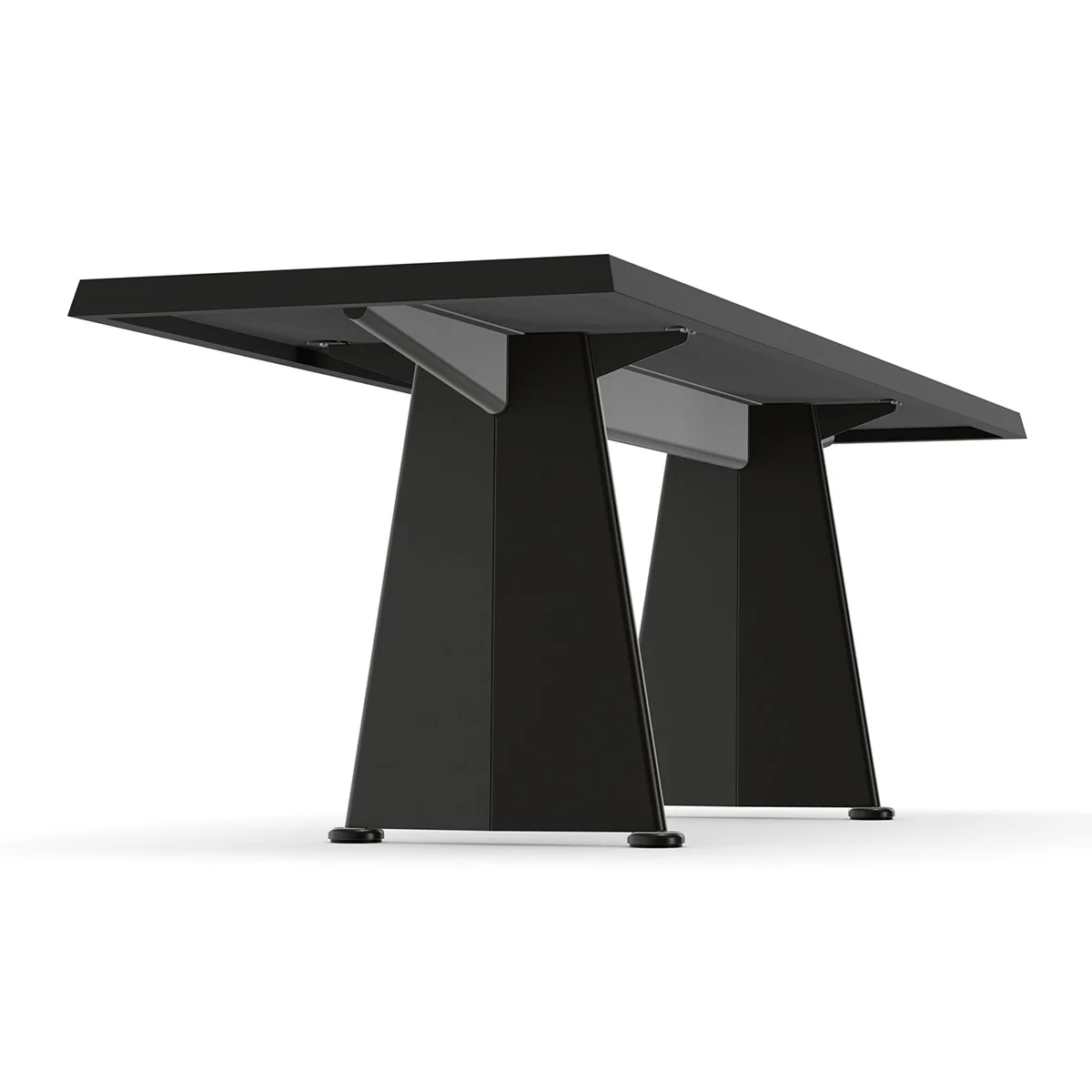
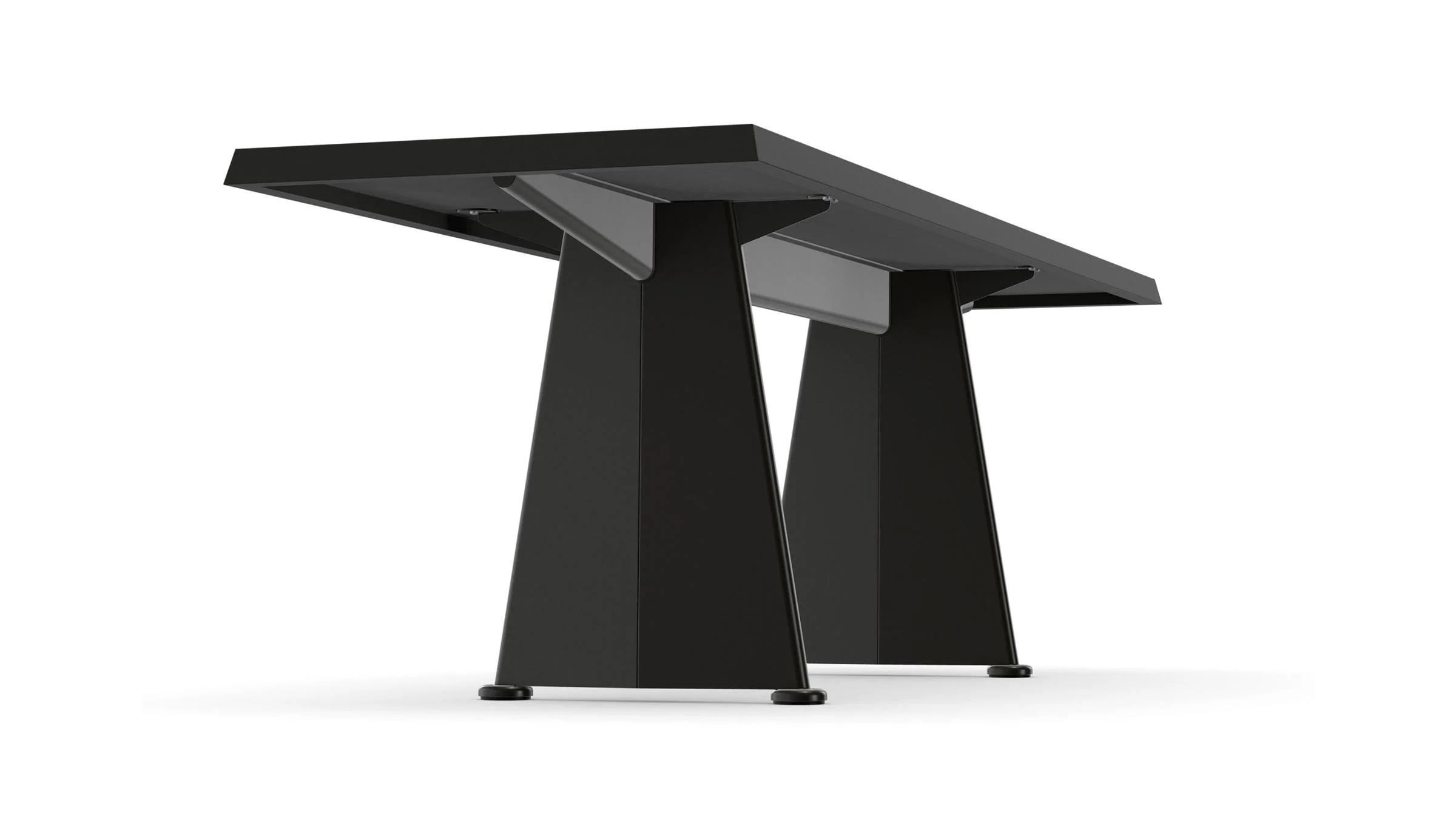
The name comes directly from the form: trapezoidal legs bent from sheet steel, the same industrial vocabulary Prouvé applied to his prefabricated houses and school buildings of the same era. Structure is never concealed here. It is the point.
- Legs formed from powder-coated bent sheet steel
- Solid tabletop in high-pressure laminate with a matte black surface
- Thick, beveled edges that give the top a sculptural weight
- Proportions drawn from the original Cité Universitaire commission
Vitra has produced the Trapèze in close dialogue with the Prouvé estate, preserving the dimensional integrity of the original while meeting contemporary production standards. The result is a piece that carries the full authority of its postwar origins.
More Images
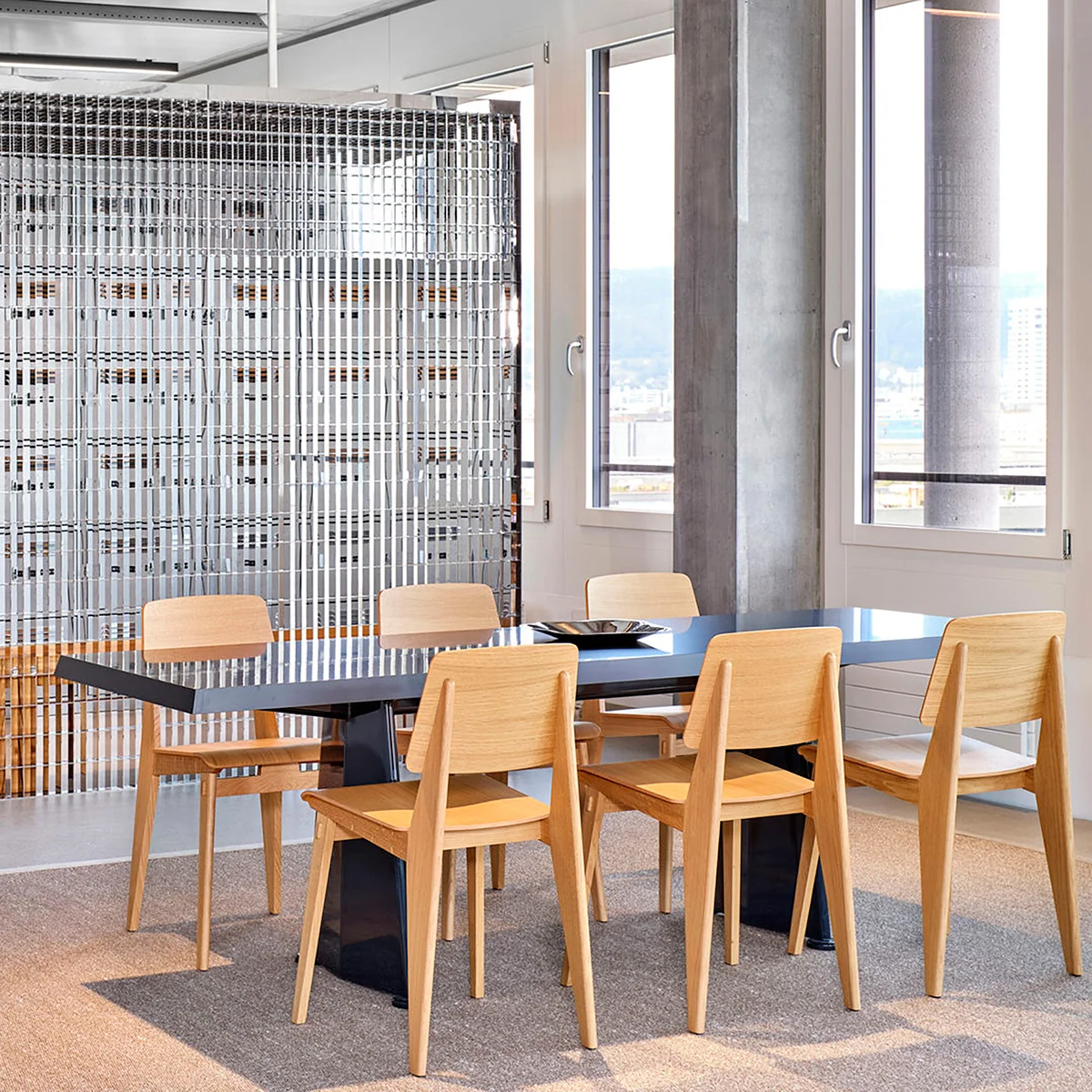
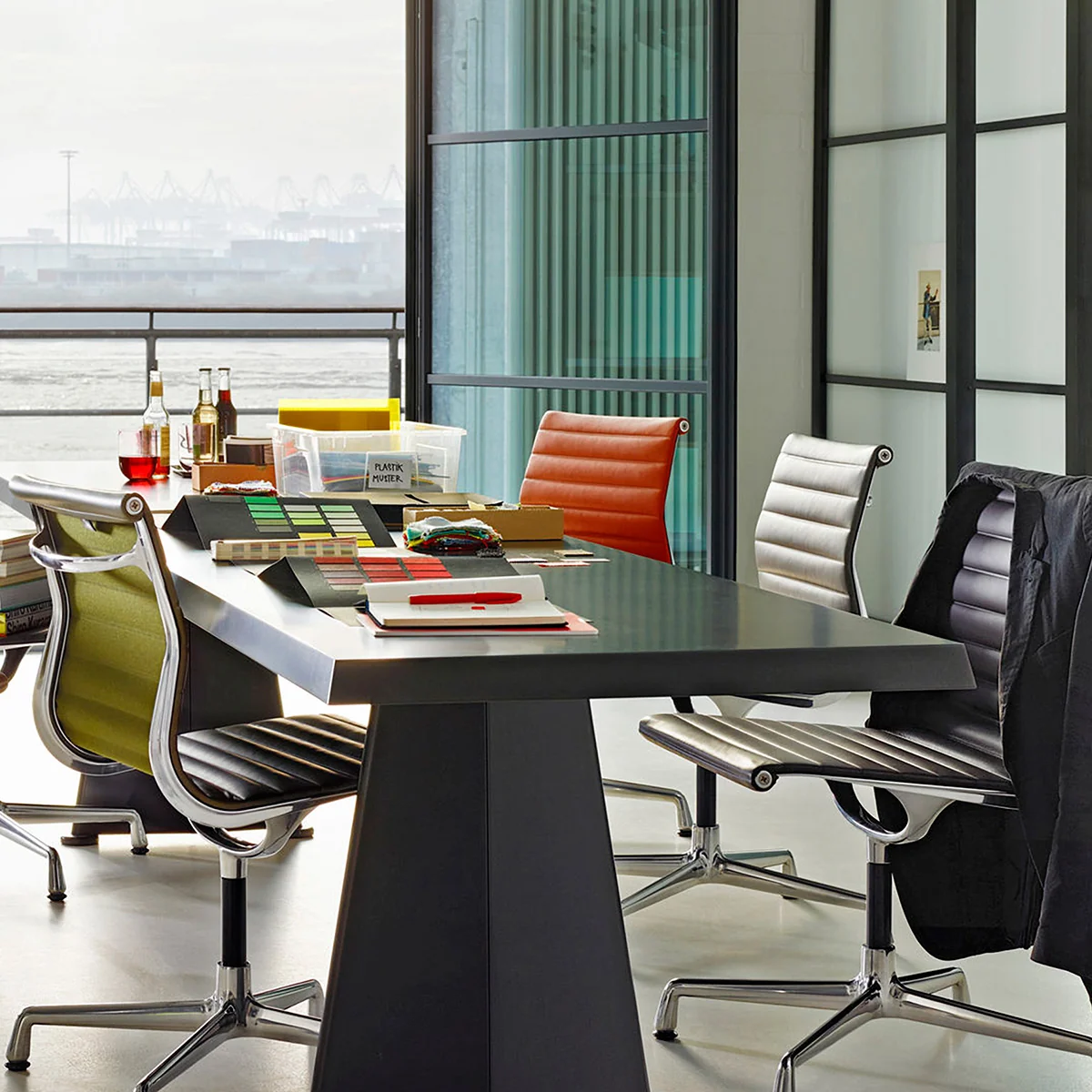
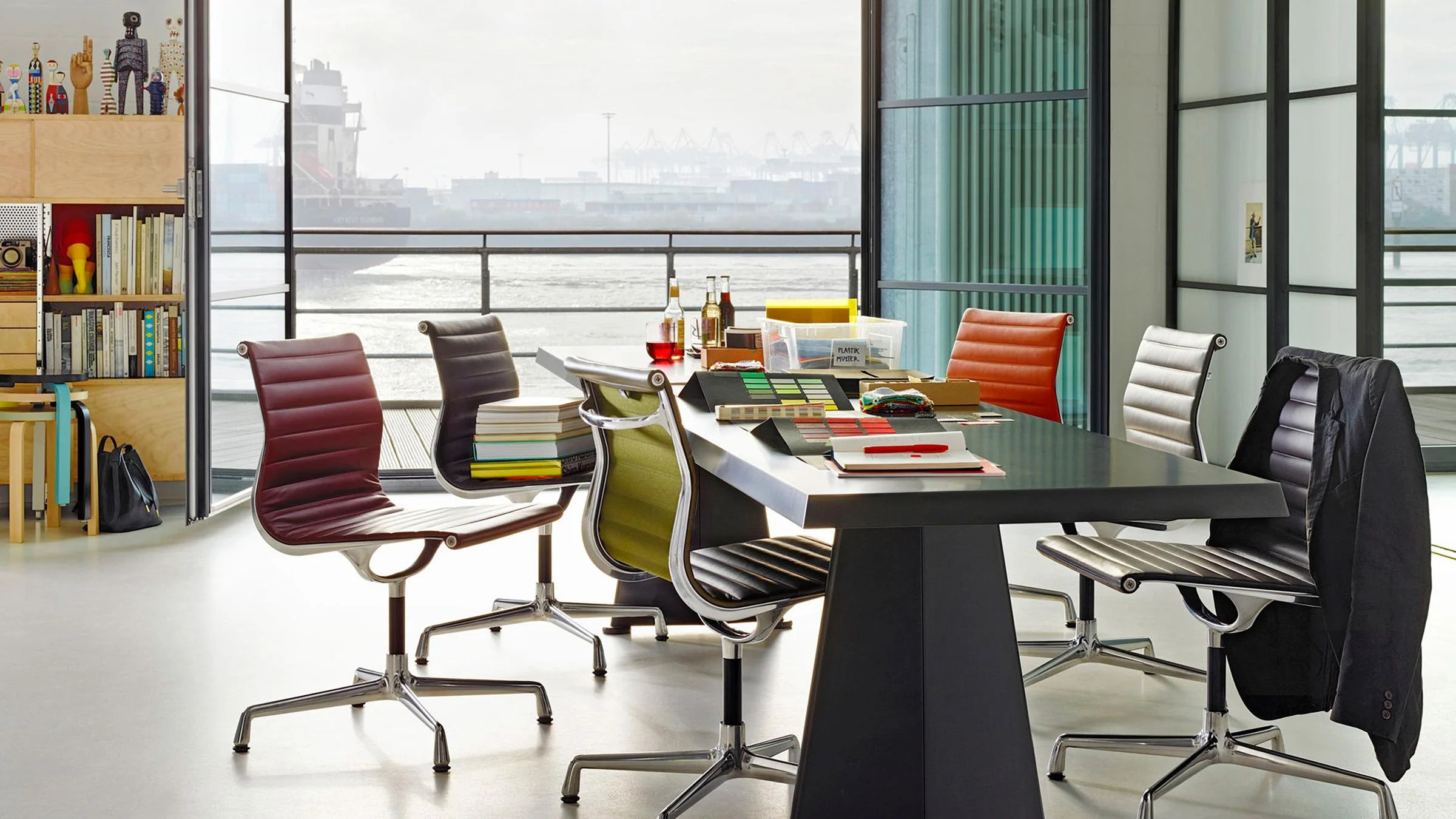
Trapèze
Jean Prouvé conceived the Trapèze in the early 1950s for the Cité Universitaire in Antony, outside Paris. The commission demanded furniture that could hold its own within an architectural context, and Prouvé answered with a table that reads as a small building in its own right.
The name comes directly from the form: trapezoidal legs bent from sheet steel, the same industrial vocabulary Prouvé applied to his prefabricated houses and school buildings of the same era. Structure is never concealed here. It is the point.
- Legs formed from powder-coated bent sheet steel
- Solid tabletop in high-pressure laminate with a matte black surface
- Thick, beveled edges that give the top a sculptural weight
- Proportions drawn from the original Cité Universitaire commission
Vitra has produced the Trapèze in close dialogue with the Prouvé estate, preserving the dimensional integrity of the original while meeting contemporary production standards. The result is a piece that carries the full authority of its postwar origins.
Product Information
Product Information
Shipping & Returns
Shipping & Returns
Description
Jean Prouvé conceived the Trapèze in the early 1950s for the Cité Universitaire in Antony, outside Paris. The commission demanded furniture that could hold its own within an architectural context, and Prouvé answered with a table that reads as a small building in its own right.
The name comes directly from the form: trapezoidal legs bent from sheet steel, the same industrial vocabulary Prouvé applied to his prefabricated houses and school buildings of the same era. Structure is never concealed here. It is the point.
- Legs formed from powder-coated bent sheet steel
- Solid tabletop in high-pressure laminate with a matte black surface
- Thick, beveled edges that give the top a sculptural weight
- Proportions drawn from the original Cité Universitaire commission
Vitra has produced the Trapèze in close dialogue with the Prouvé estate, preserving the dimensional integrity of the original while meeting contemporary production standards. The result is a piece that carries the full authority of its postwar origins.