Tizio Desk Lamp
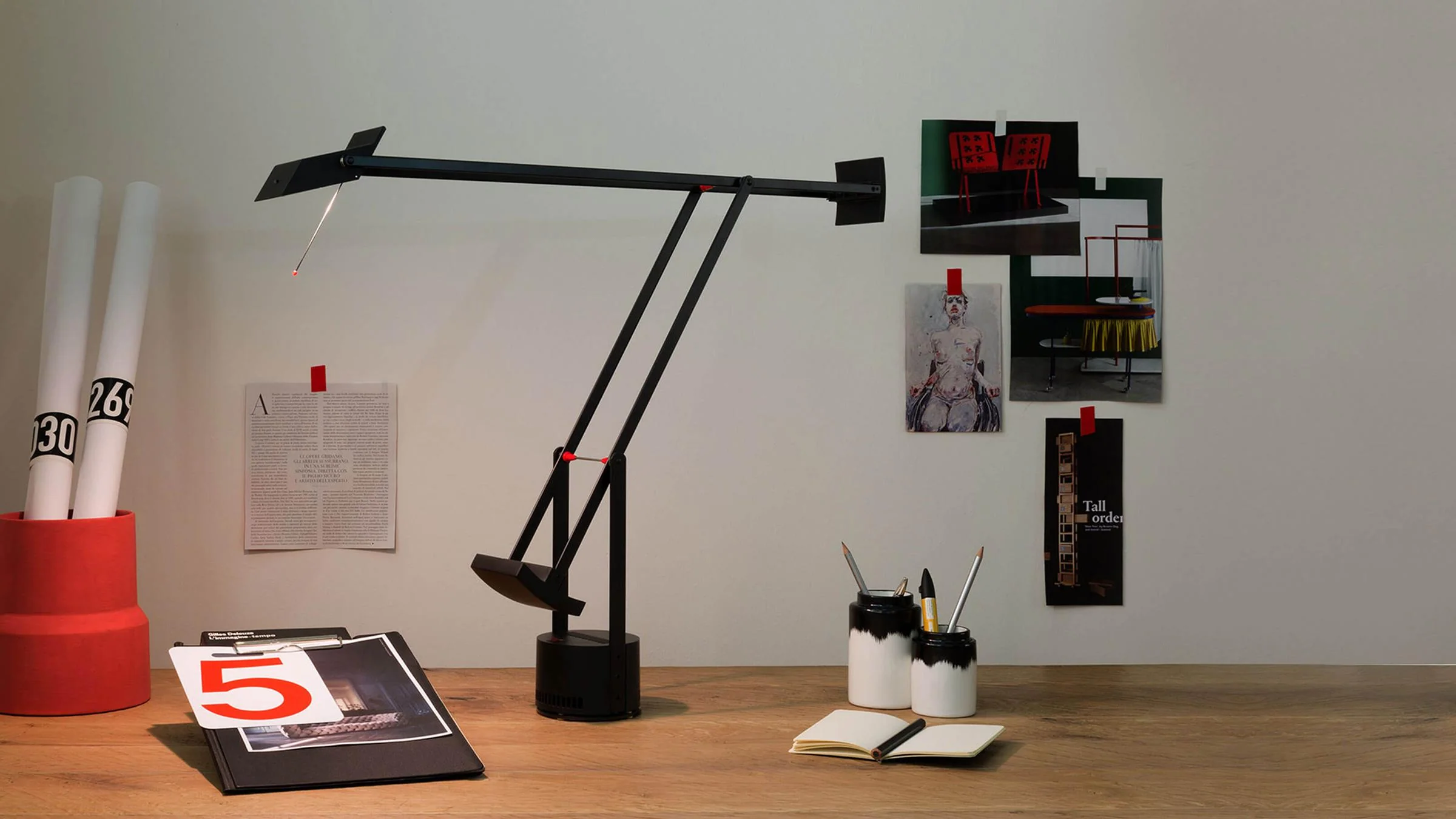
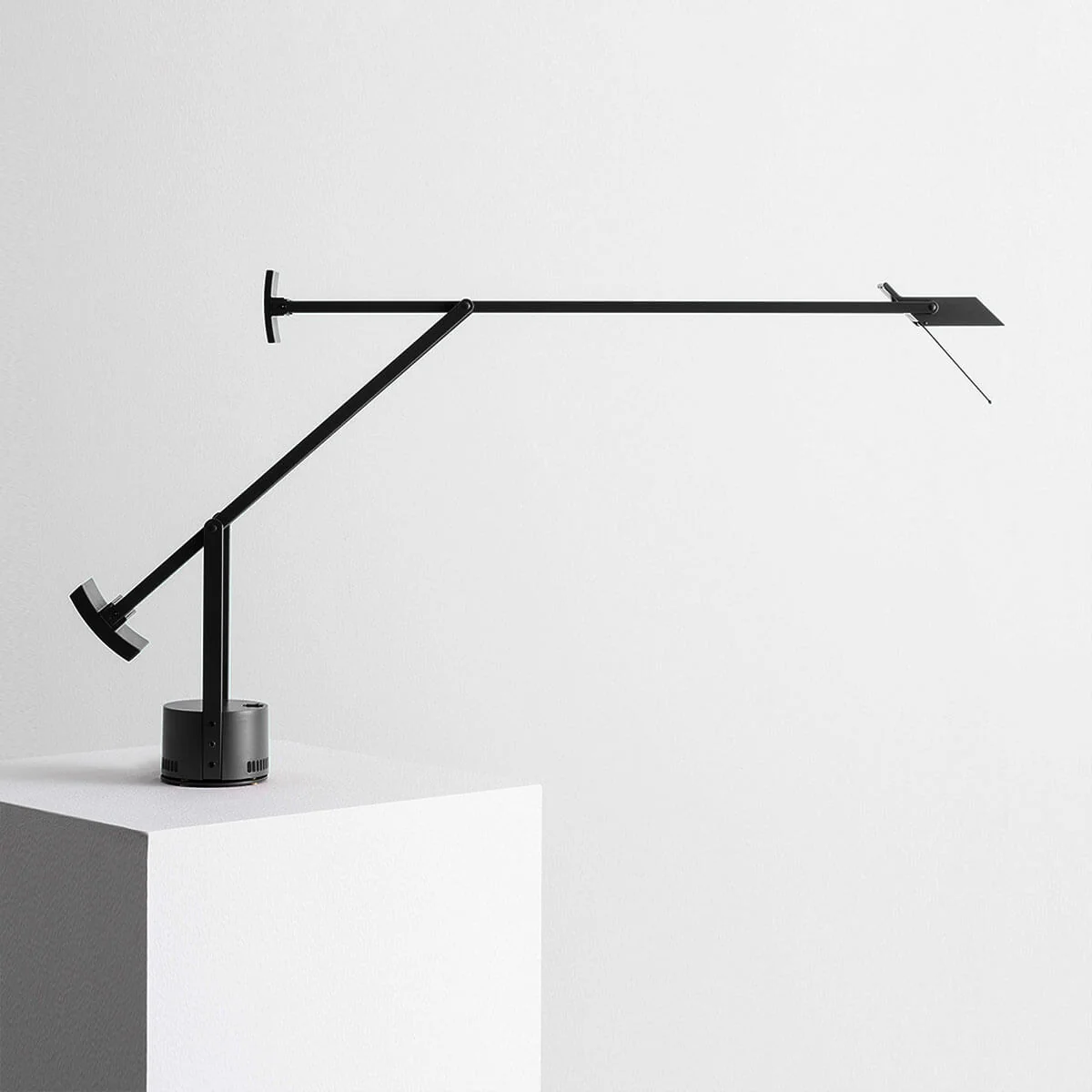
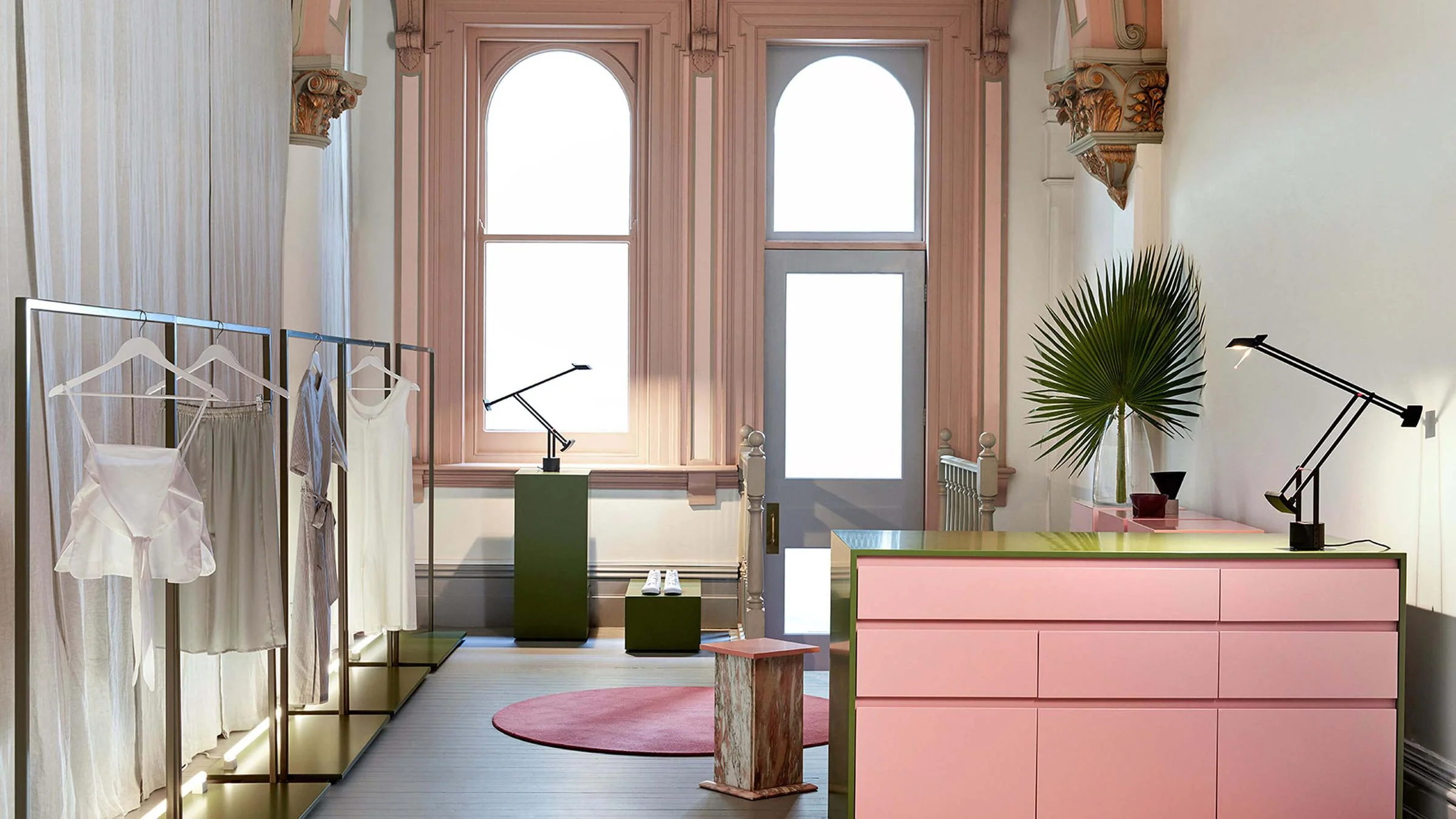
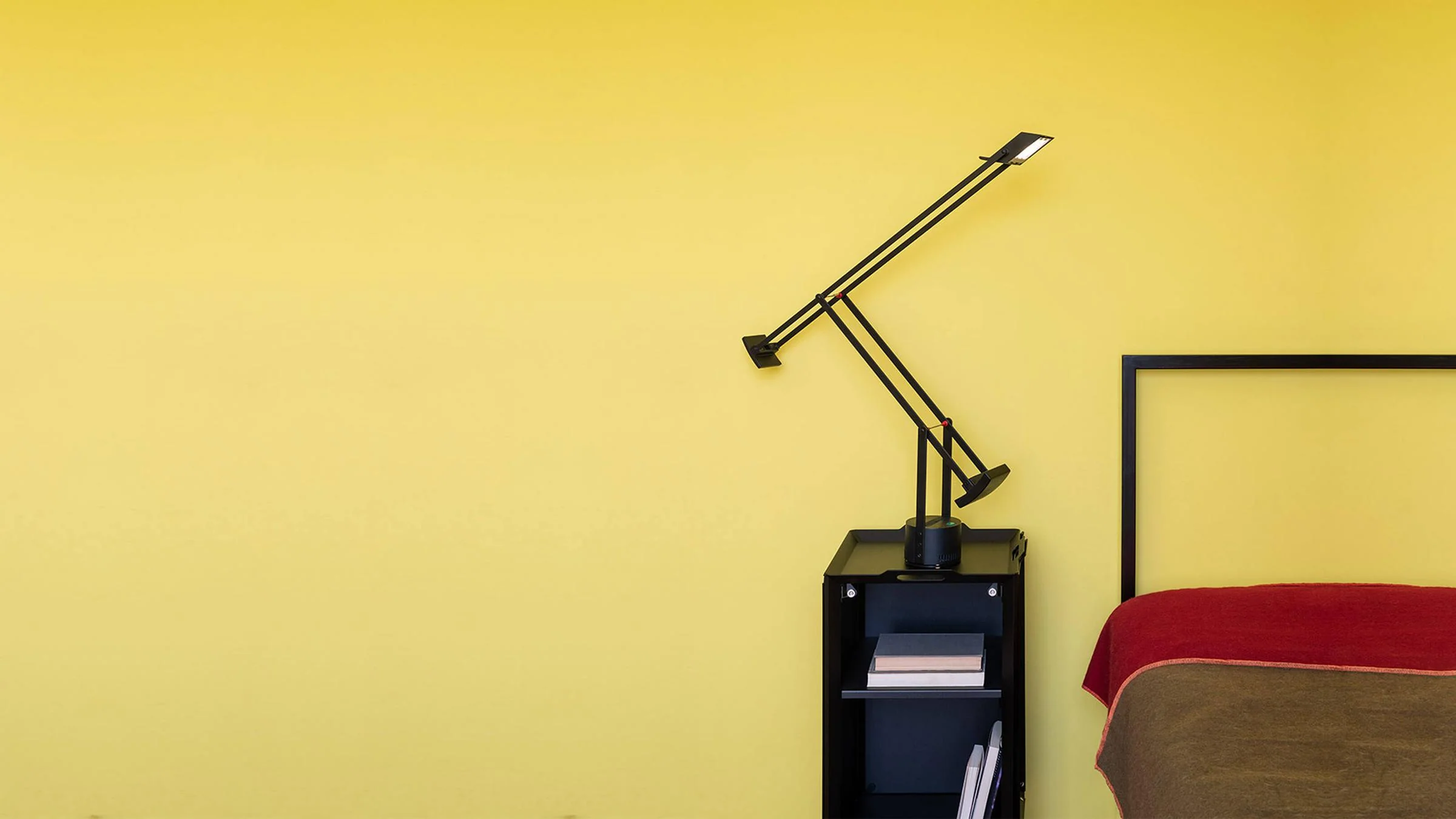
Richard Sapper designed the Tizio in 1972 as a precise exercise in reduction. Every decision was structural, and nothing was decorative. Electrical current travels through the pivot joints of the counterweighted arm system, rendering cables obsolete and giving the form an almost anatomical clarity.
The counterbalance mechanism requires no springs. The lamp holds any position through weight and proportion alone, with a stillness that reads as intention rather than engineering. It is a study in how constraint, applied rigorously, produces objects that endure.
- Low-voltage LED light source integrated at the head
- Current conducted through the pivot joints, no external cables
- Counterbalance adjustment without mechanical springs
- Die-cast and injection-molded components in matte black
Sapper's background in industrial and automotive design shaped the Tizio's sensibility. It does not perform elegance - it achieves it through the discipline of function made fully visible. Decades after its introduction, the lamp remains a fixed point of reference in twentieth-century Italian design.
Original: $960.00
-65%$960.00
$336.00More Images






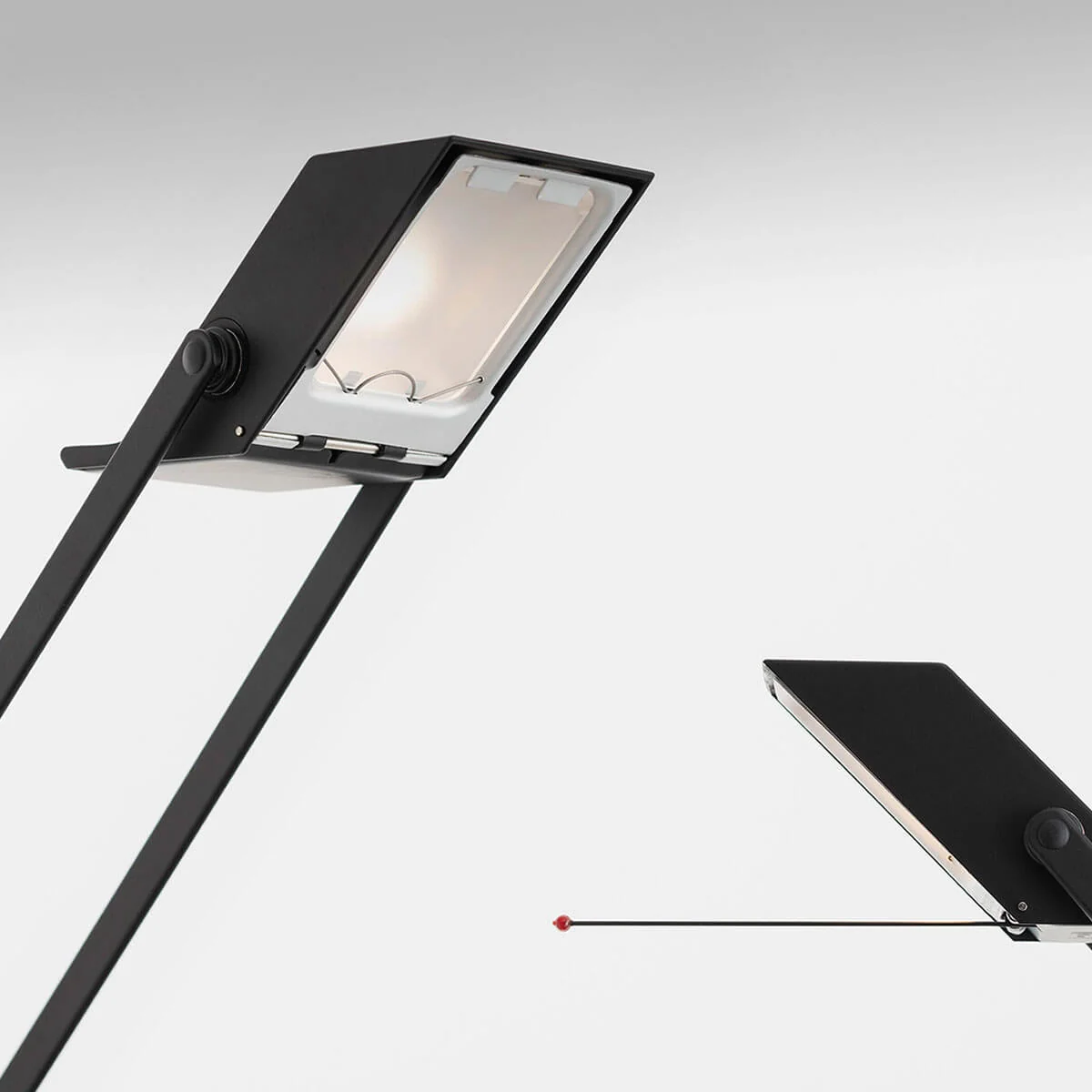

Tizio Desk Lamp
Richard Sapper designed the Tizio in 1972 as a precise exercise in reduction. Every decision was structural, and nothing was decorative. Electrical current travels through the pivot joints of the counterweighted arm system, rendering cables obsolete and giving the form an almost anatomical clarity.
The counterbalance mechanism requires no springs. The lamp holds any position through weight and proportion alone, with a stillness that reads as intention rather than engineering. It is a study in how constraint, applied rigorously, produces objects that endure.
- Low-voltage LED light source integrated at the head
- Current conducted through the pivot joints, no external cables
- Counterbalance adjustment without mechanical springs
- Die-cast and injection-molded components in matte black
Sapper's background in industrial and automotive design shaped the Tizio's sensibility. It does not perform elegance - it achieves it through the discipline of function made fully visible. Decades after its introduction, the lamp remains a fixed point of reference in twentieth-century Italian design.
Product Information
Product Information
Shipping & Returns
Shipping & Returns
Description
Richard Sapper designed the Tizio in 1972 as a precise exercise in reduction. Every decision was structural, and nothing was decorative. Electrical current travels through the pivot joints of the counterweighted arm system, rendering cables obsolete and giving the form an almost anatomical clarity.
The counterbalance mechanism requires no springs. The lamp holds any position through weight and proportion alone, with a stillness that reads as intention rather than engineering. It is a study in how constraint, applied rigorously, produces objects that endure.
- Low-voltage LED light source integrated at the head
- Current conducted through the pivot joints, no external cables
- Counterbalance adjustment without mechanical springs
- Die-cast and injection-molded components in matte black
Sapper's background in industrial and automotive design shaped the Tizio's sensibility. It does not perform elegance - it achieves it through the discipline of function made fully visible. Decades after its introduction, the lamp remains a fixed point of reference in twentieth-century Italian design.