Stadera Desk
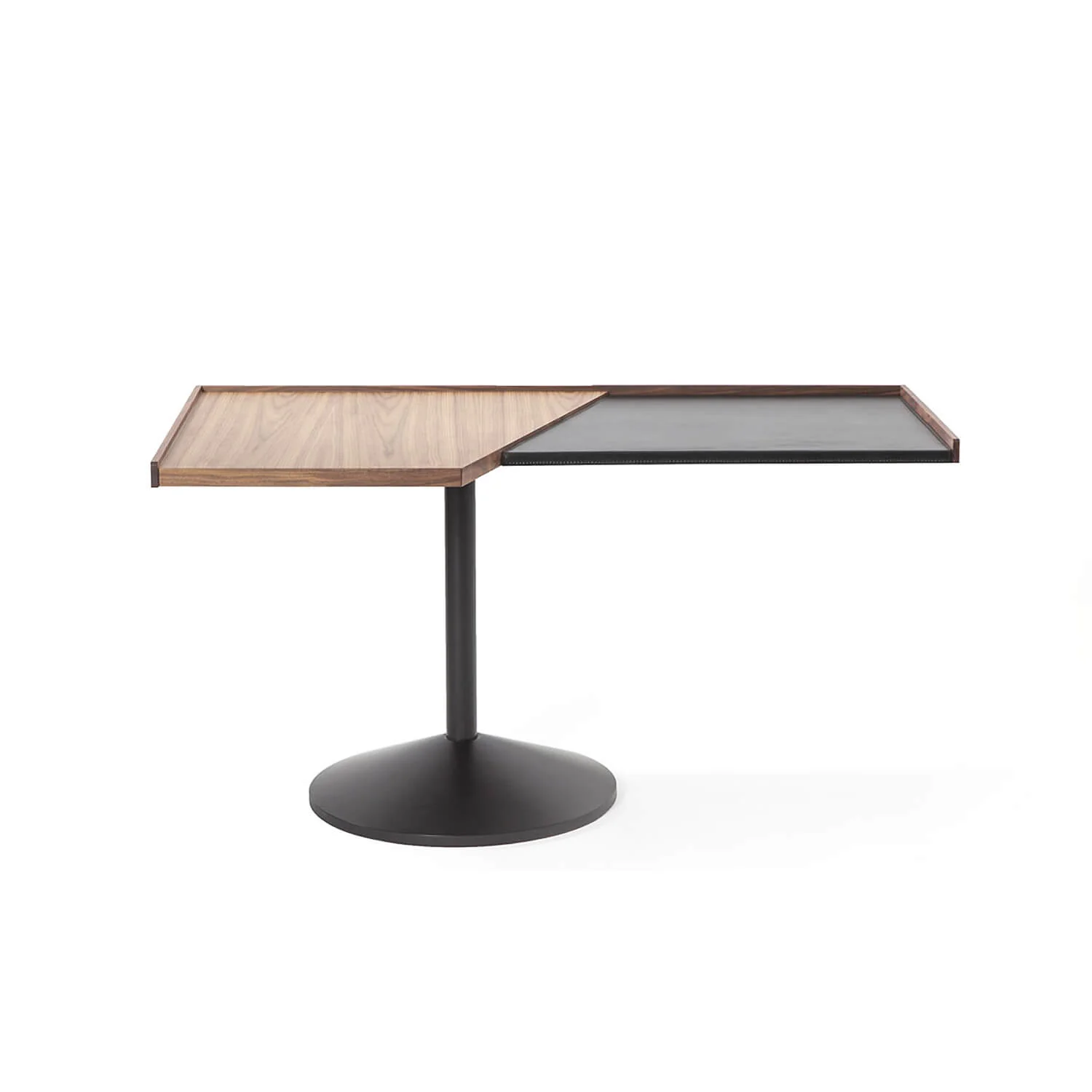
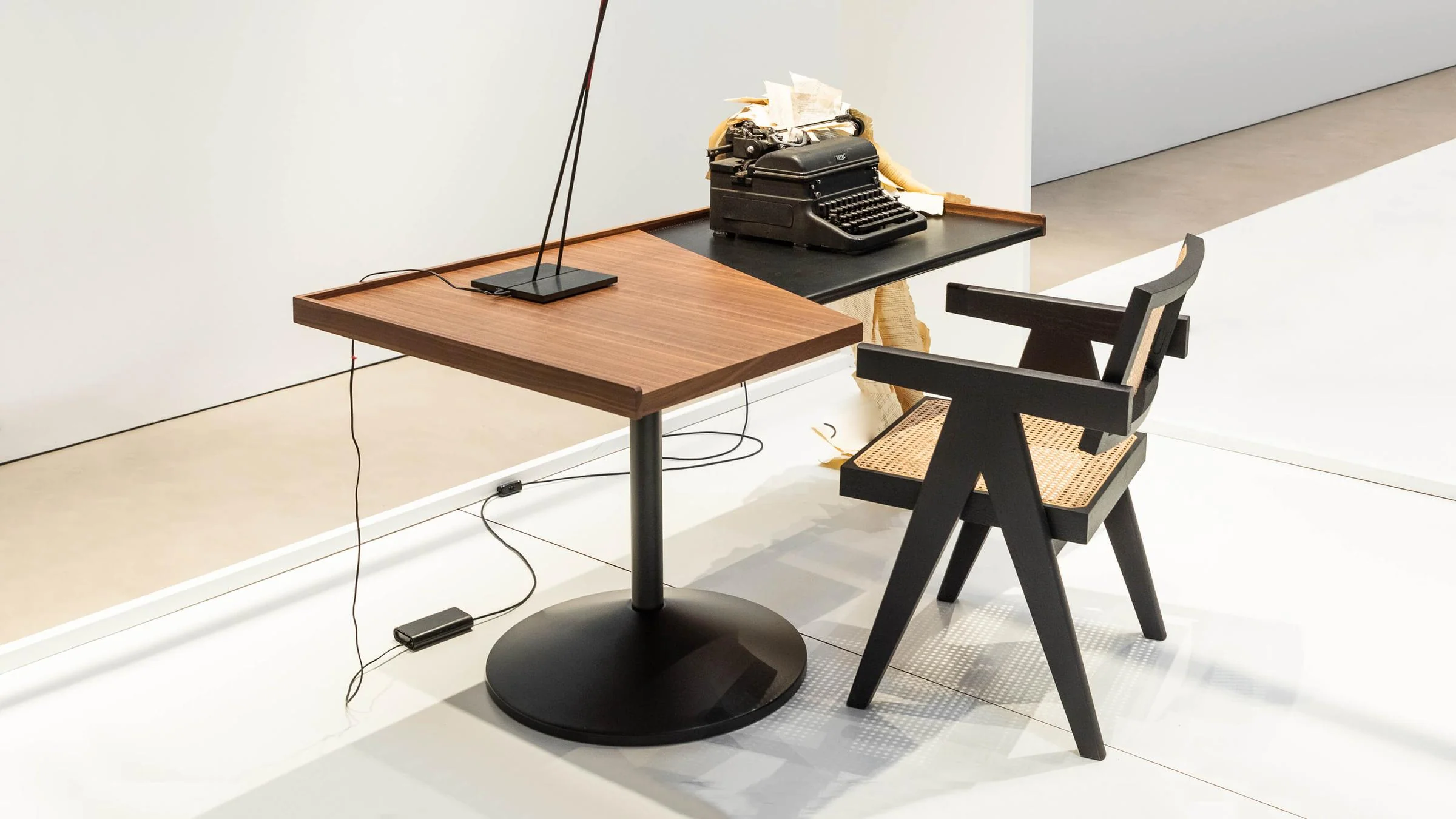
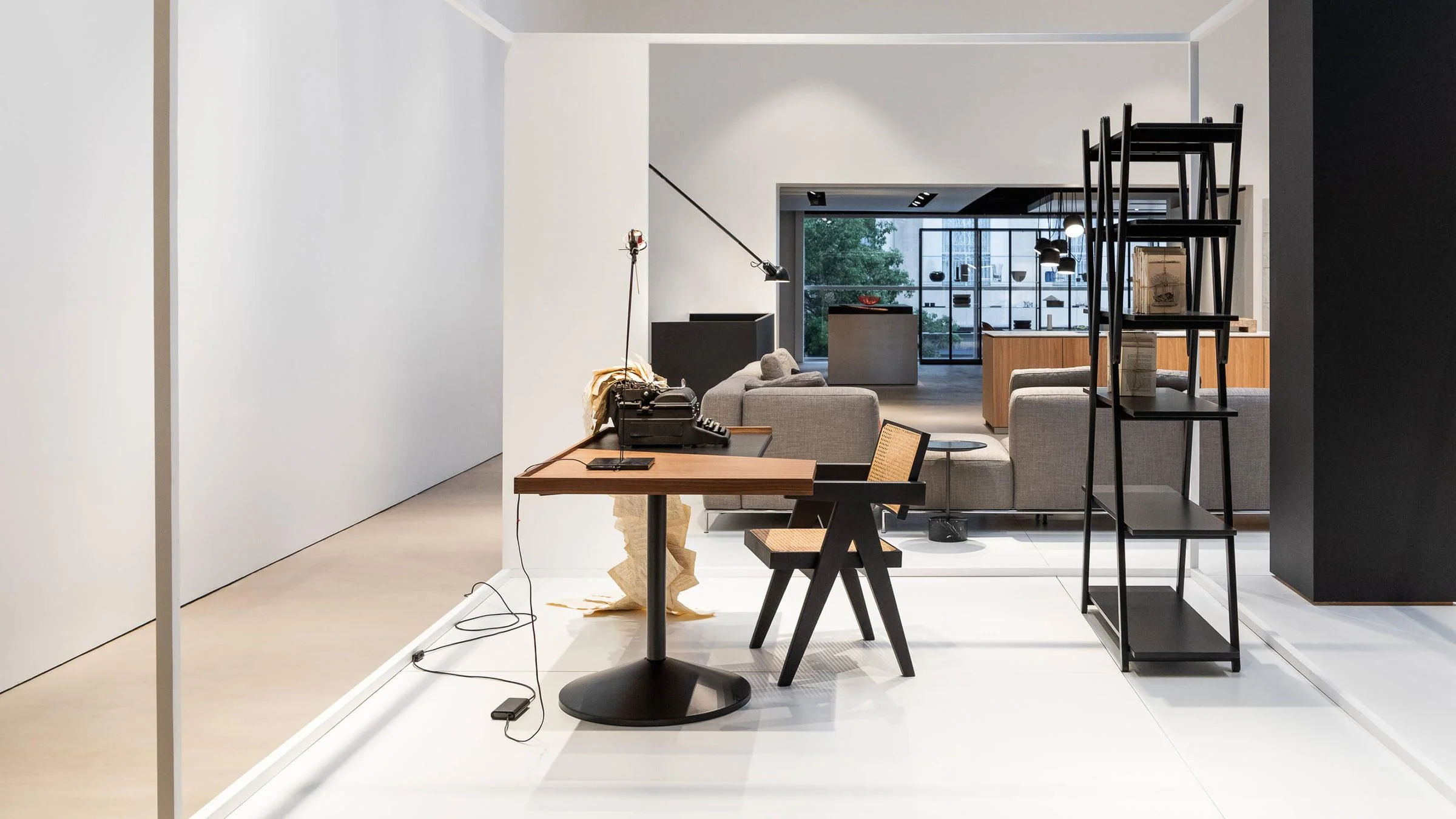
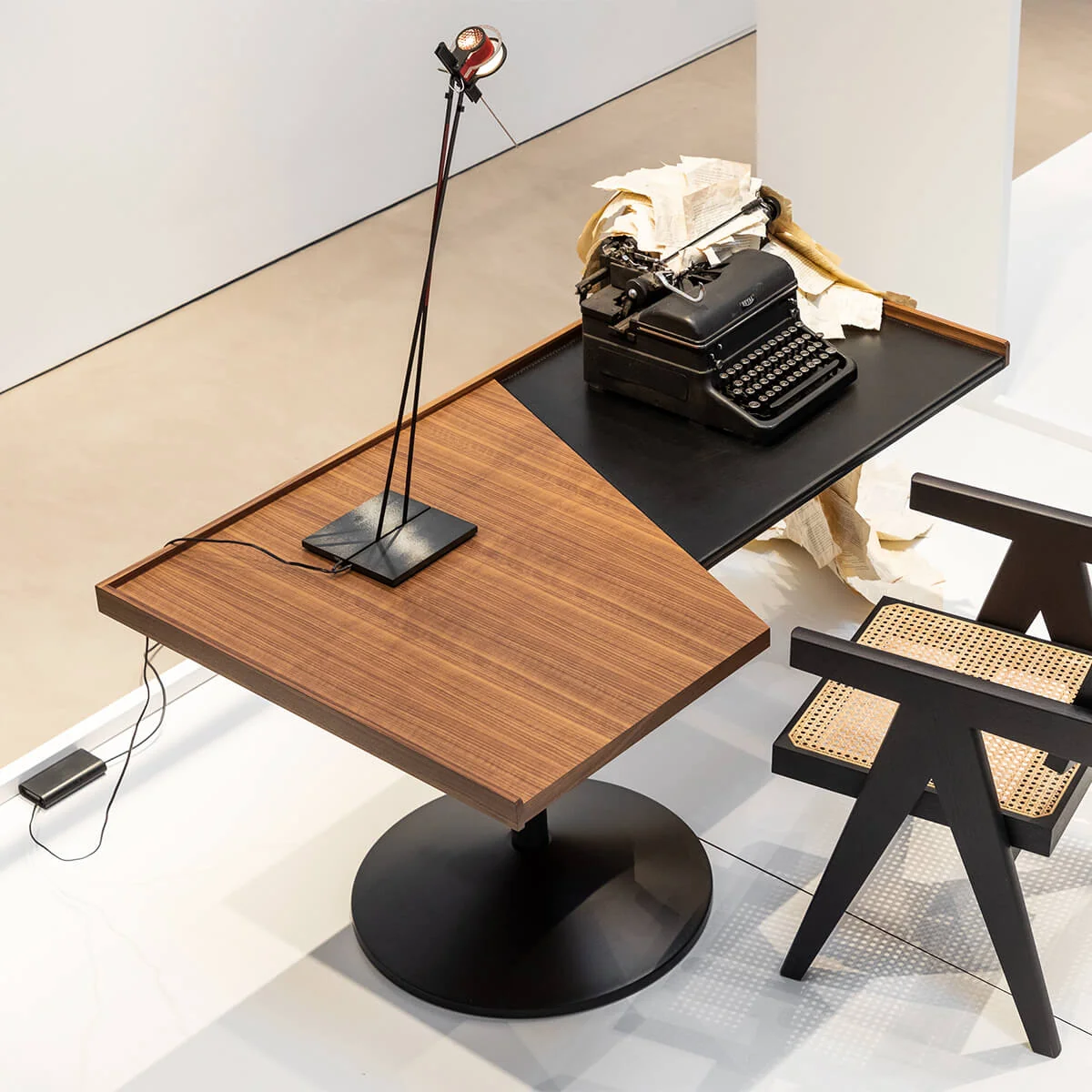
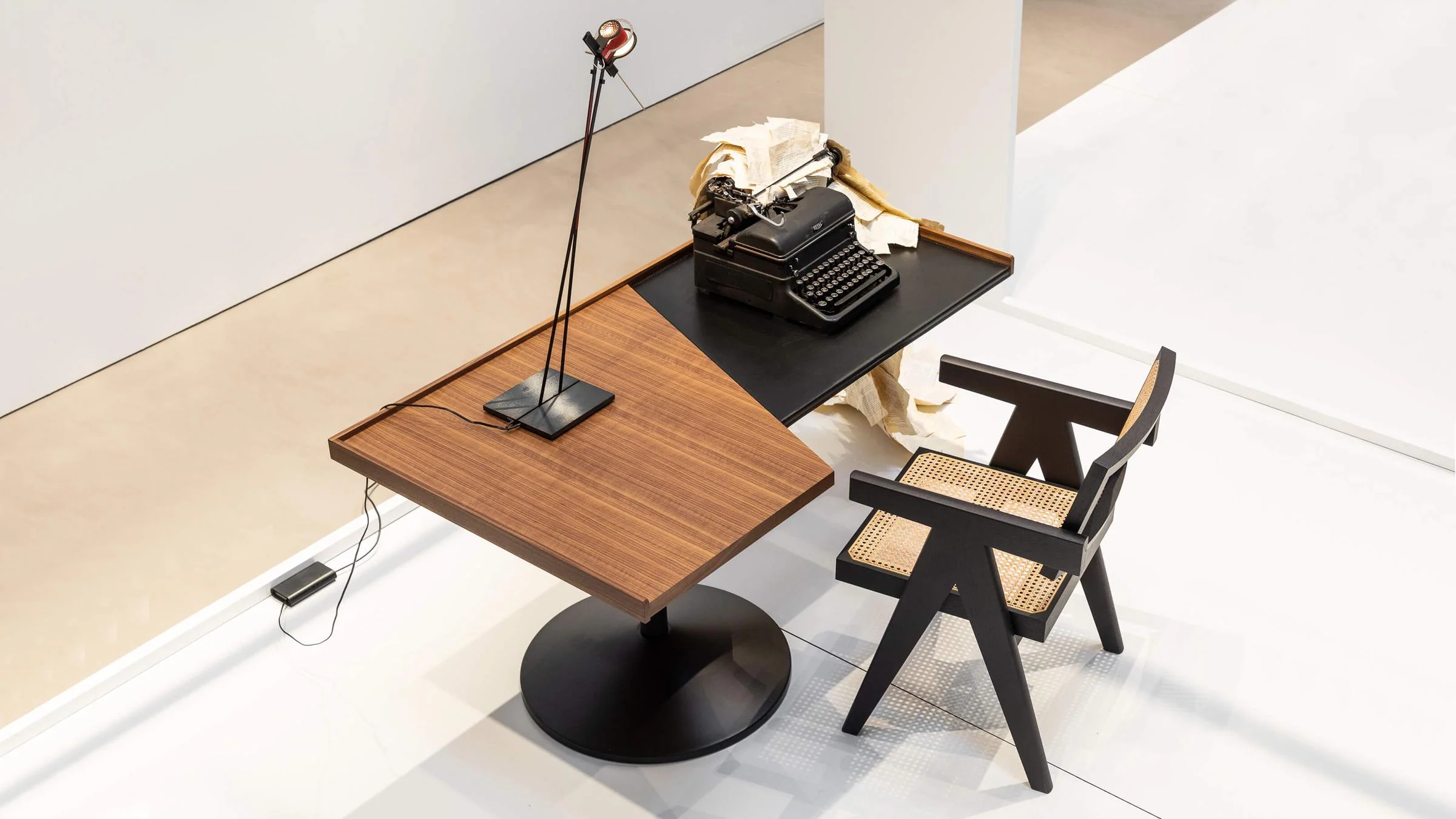
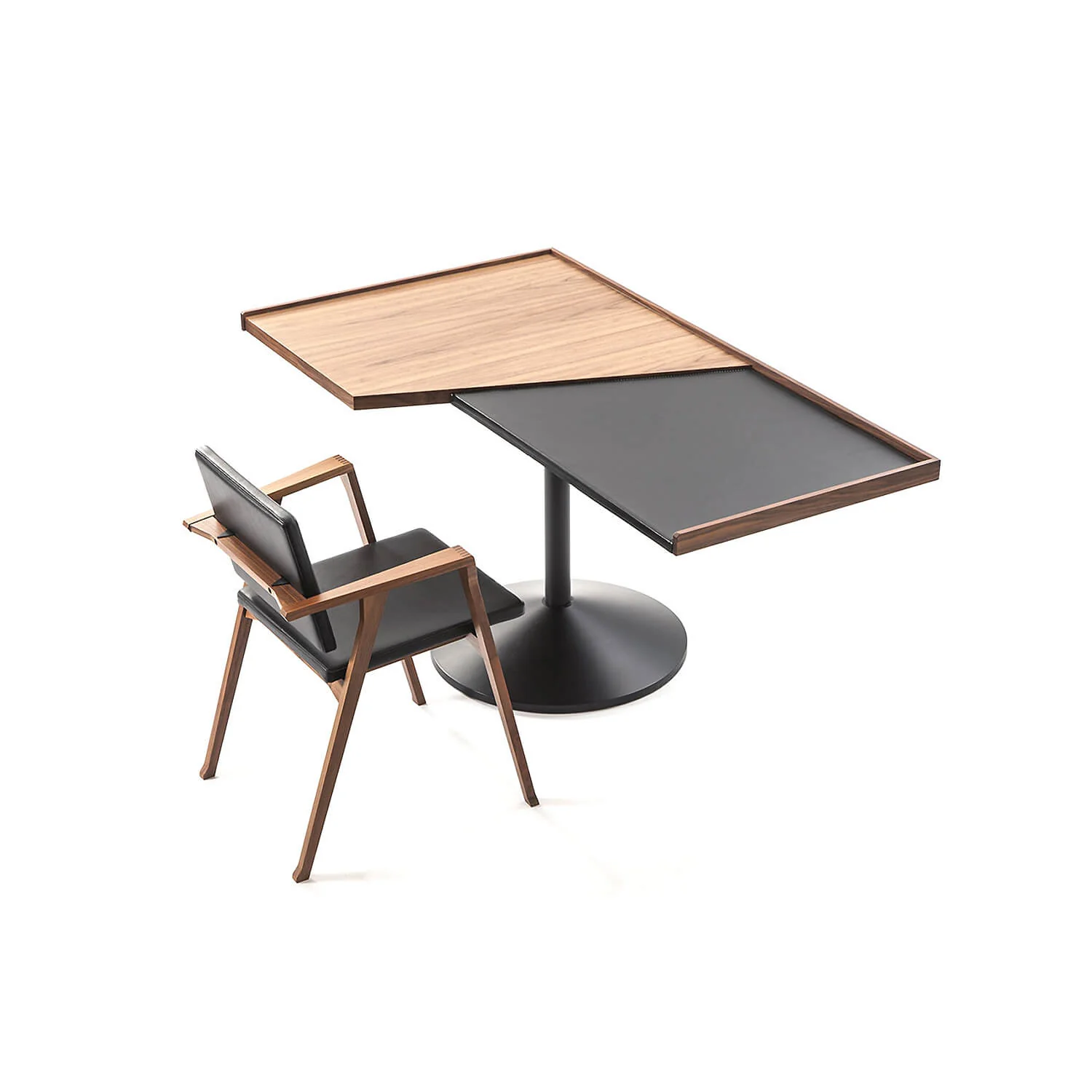
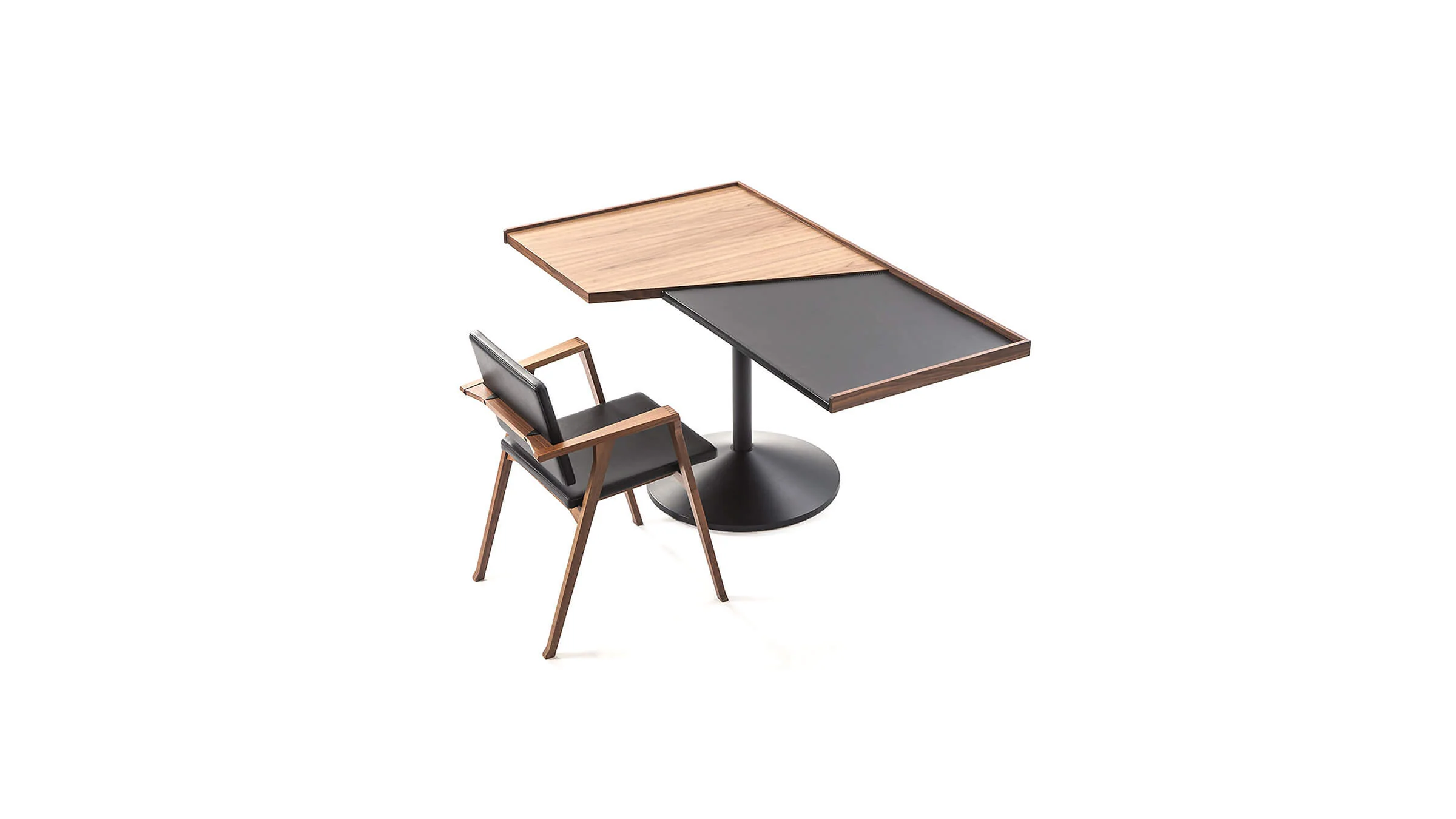
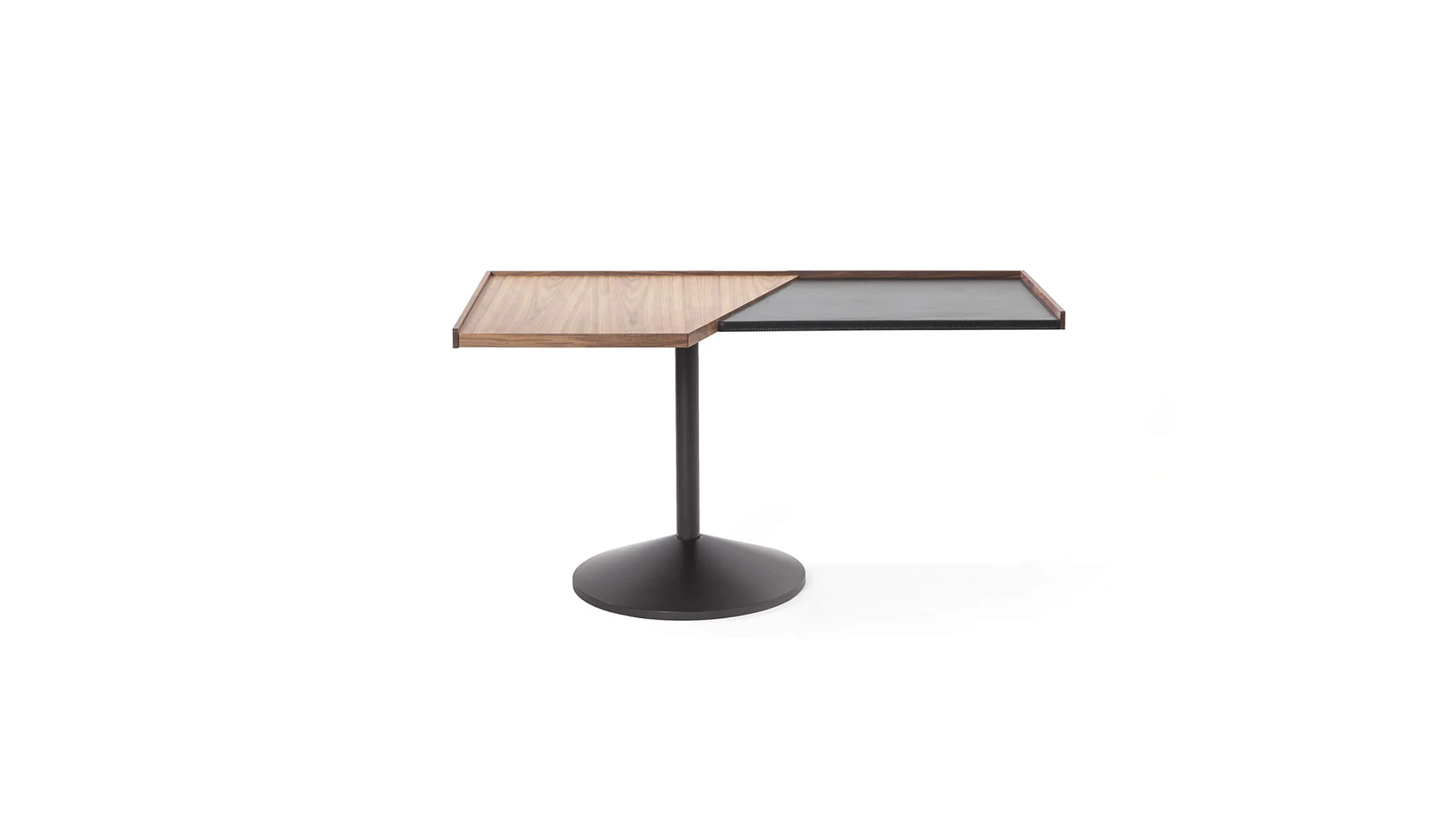
Franco Albini conceived the Stadera in the spirit of postwar Italian rationalism, a movement that prized geometric precision and formal wit in equal measure. The desk takes its name from the Italian word for scale, and the reference is structural as much as poetic: two trapezoidal planes of differing size and thickness appear suspended in asymmetric tension on a single supporting leg.
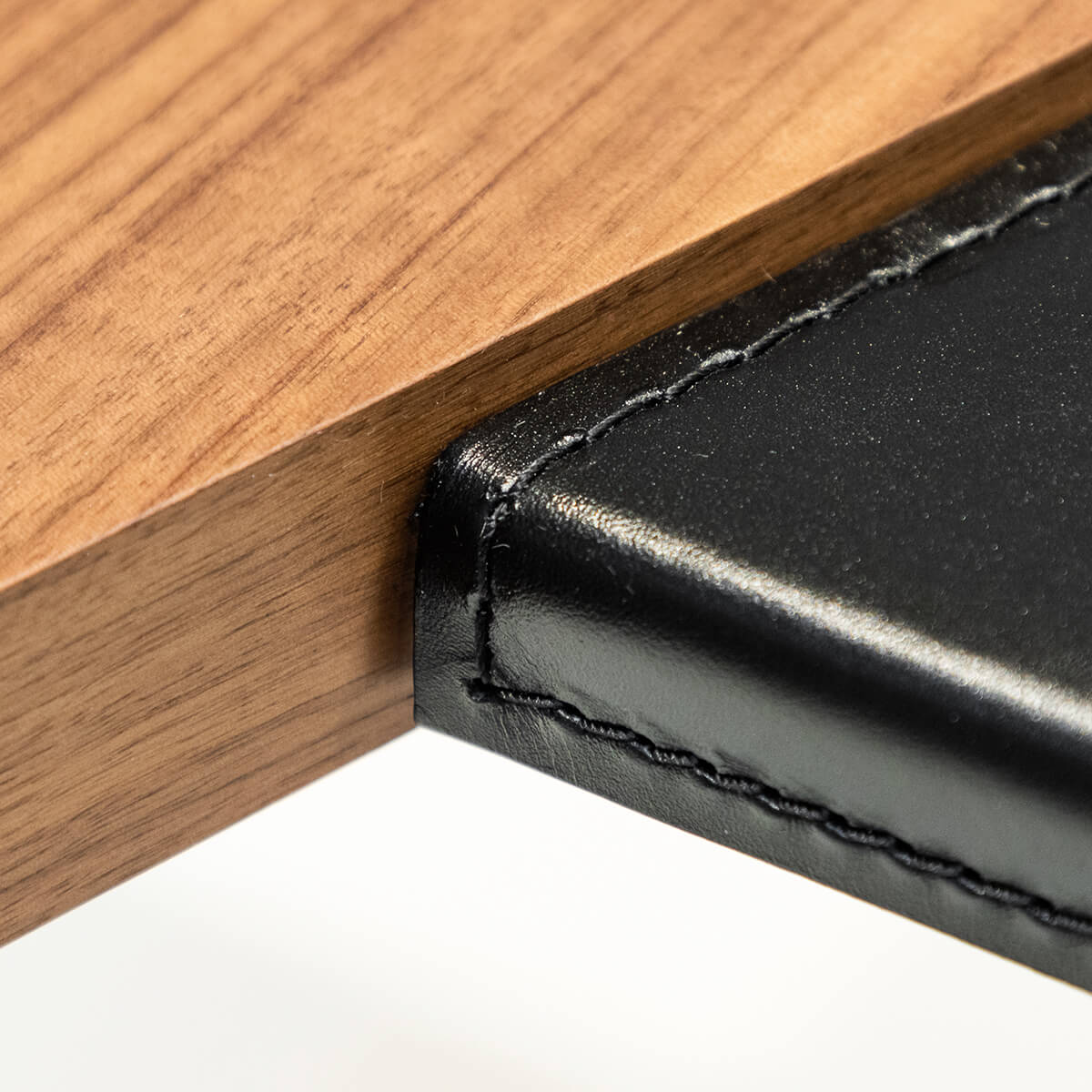
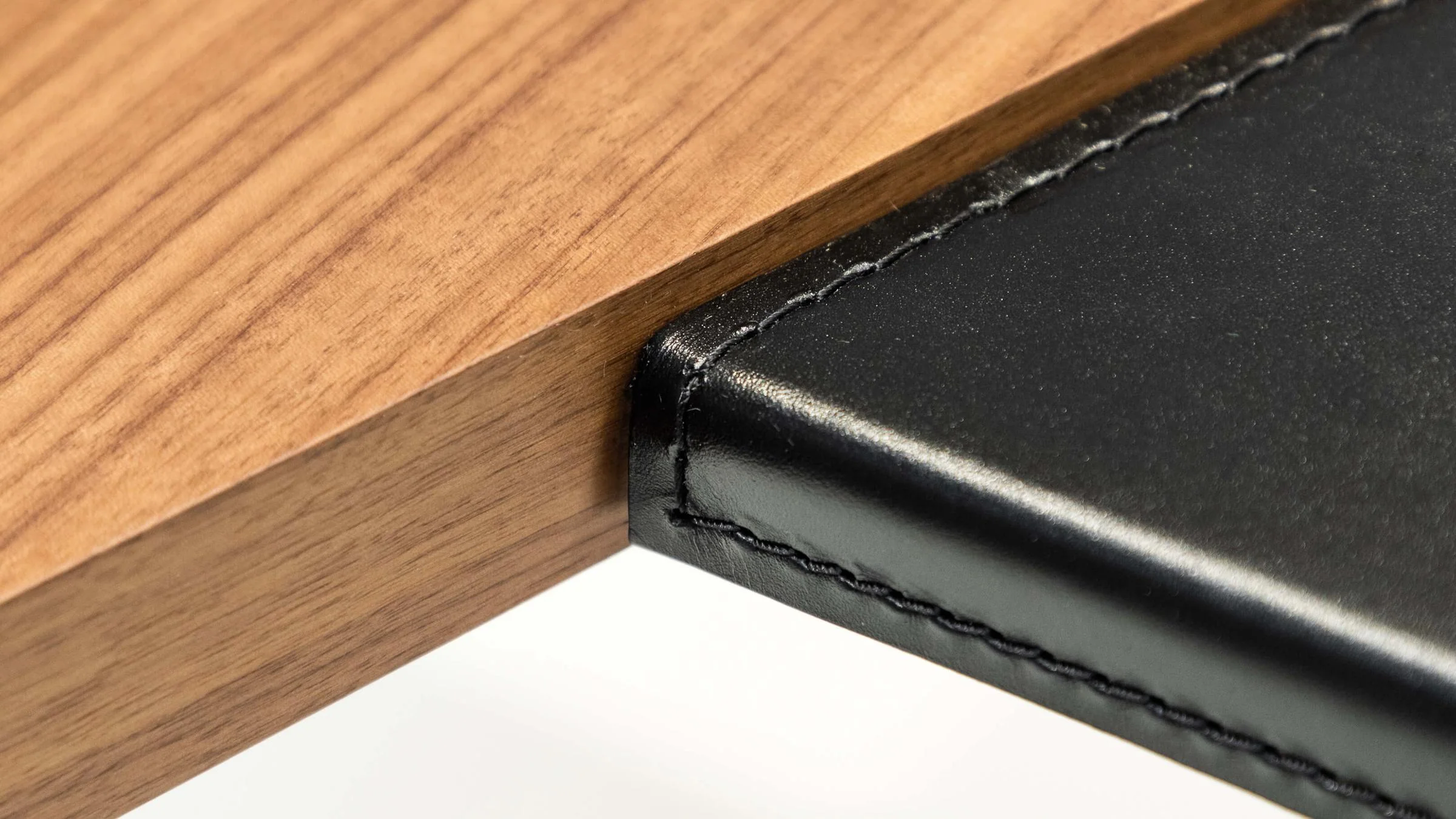
Each surface carries its own visual weight. The elevated plane is finished in leather, introducing warmth and tactile depth against the cool structural logic of the frame. The varied thickness of the planes amplifies the sense of poise rather than imbalance, revealing Albini's confidence in letting geometry do the expressive work.
- Two trapezoidal work surfaces at varied scale and thickness
- Leather-finished upper plane for contrast of material and register
- Single-leg composition evoking a balance scale in three dimensions
- Rooted in Albini's rationalist vocabulary, reissued by Cassina with archival fidelity
Albini remains one of the most quietly influential figures of twentieth-century Italian design. His work at the intersection of architecture, interior, and object consistently achieved formal restraint without austerity, and the Stadera is among his most spatially inventive expressions of that sensibility.
Original: $8,591.00
-65%$8,591.00
$3,006.85More Images
Stadera Desk
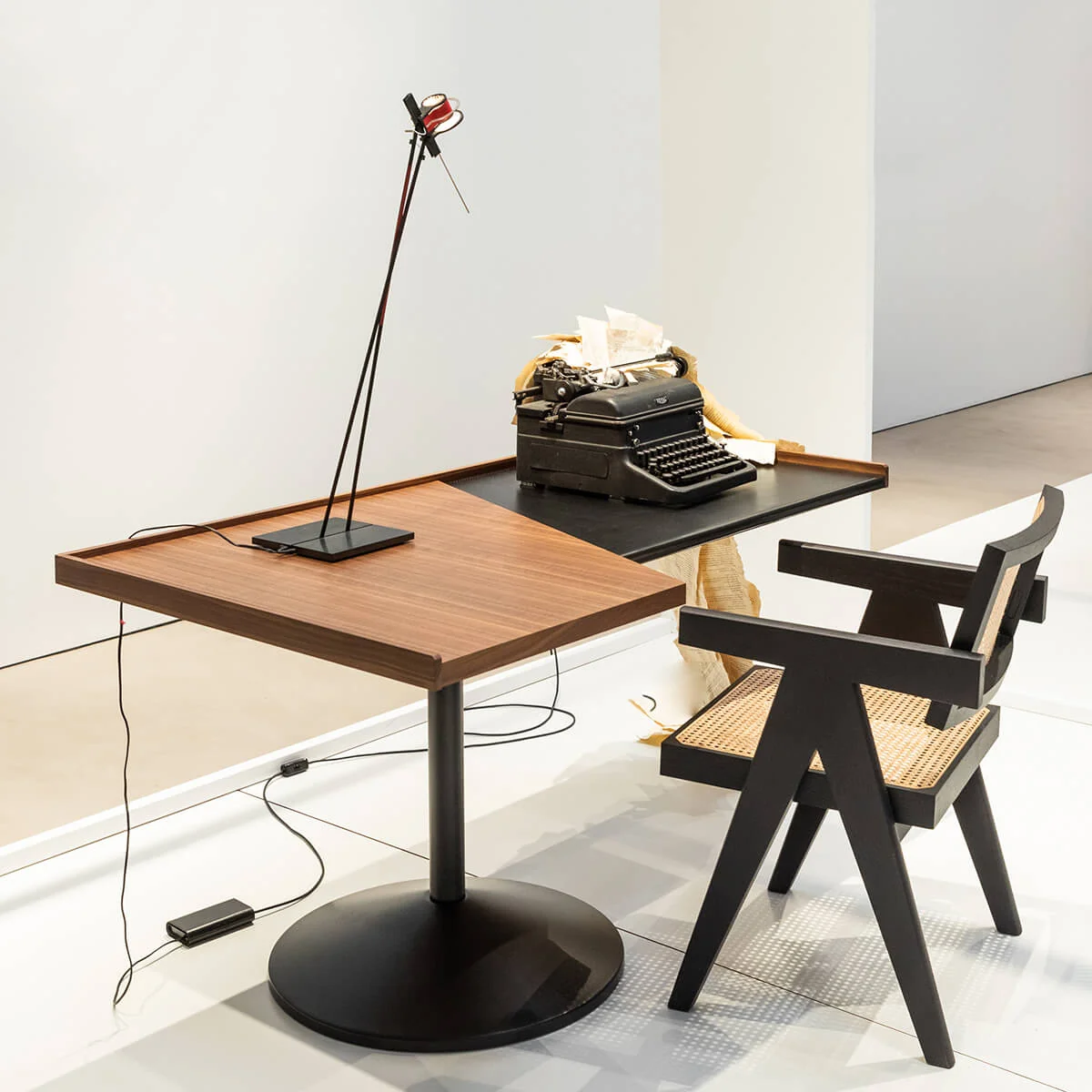
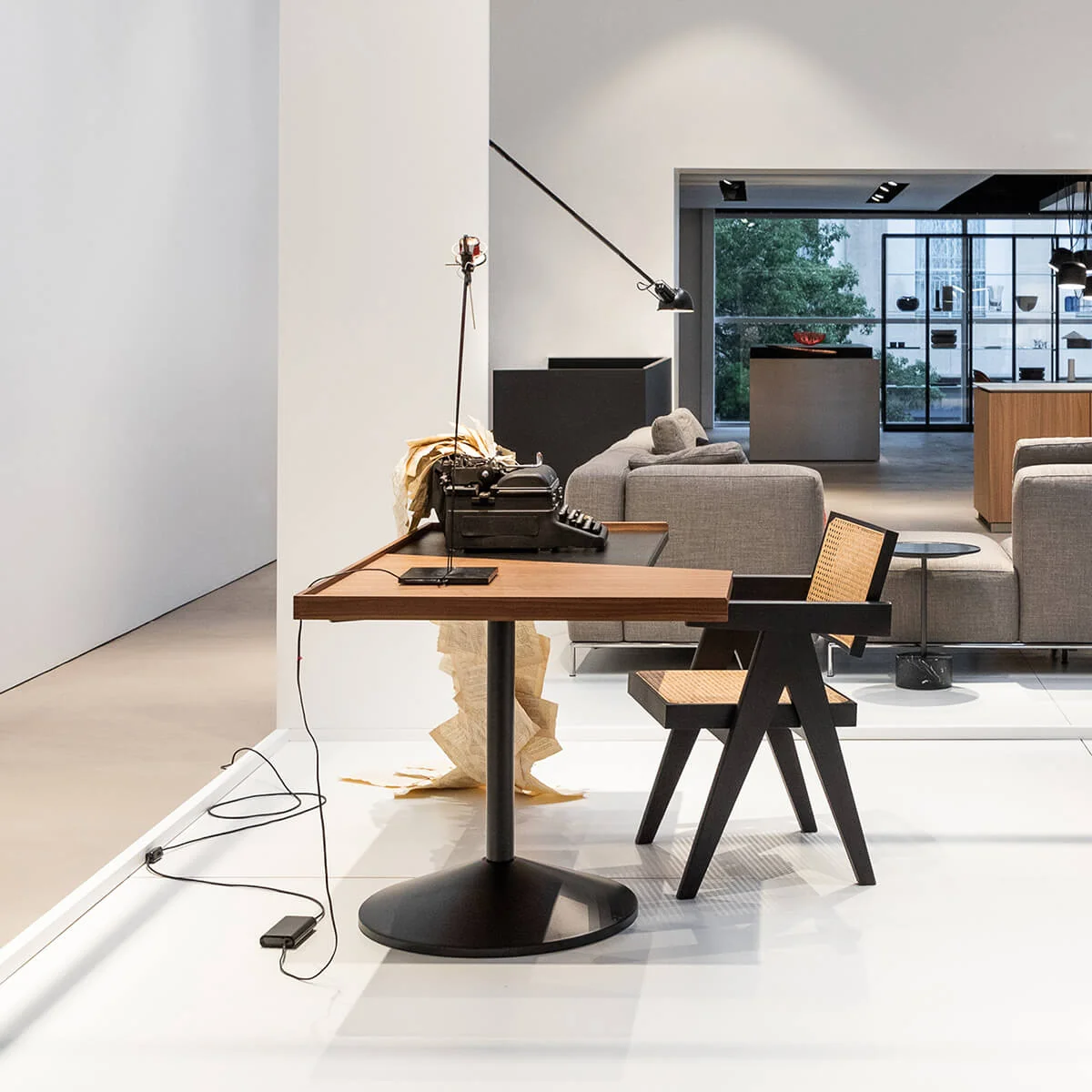
Franco Albini conceived the Stadera in the spirit of postwar Italian rationalism, a movement that prized geometric precision and formal wit in equal measure. The desk takes its name from the Italian word for scale, and the reference is structural as much as poetic: two trapezoidal planes of differing size and thickness appear suspended in asymmetric tension on a single supporting leg.
Each surface carries its own visual weight. The elevated plane is finished in leather, introducing warmth and tactile depth against the cool structural logic of the frame. The varied thickness of the planes amplifies the sense of poise rather than imbalance, revealing Albini's confidence in letting geometry do the expressive work.
- Two trapezoidal work surfaces at varied scale and thickness
- Leather-finished upper plane for contrast of material and register
- Single-leg composition evoking a balance scale in three dimensions
- Rooted in Albini's rationalist vocabulary, reissued by Cassina with archival fidelity
Albini remains one of the most quietly influential figures of twentieth-century Italian design. His work at the intersection of architecture, interior, and object consistently achieved formal restraint without austerity, and the Stadera is among his most spatially inventive expressions of that sensibility.
Product Information
Product Information
Shipping & Returns
Shipping & Returns
Description
Franco Albini conceived the Stadera in the spirit of postwar Italian rationalism, a movement that prized geometric precision and formal wit in equal measure. The desk takes its name from the Italian word for scale, and the reference is structural as much as poetic: two trapezoidal planes of differing size and thickness appear suspended in asymmetric tension on a single supporting leg.
Each surface carries its own visual weight. The elevated plane is finished in leather, introducing warmth and tactile depth against the cool structural logic of the frame. The varied thickness of the planes amplifies the sense of poise rather than imbalance, revealing Albini's confidence in letting geometry do the expressive work.
- Two trapezoidal work surfaces at varied scale and thickness
- Leather-finished upper plane for contrast of material and register
- Single-leg composition evoking a balance scale in three dimensions
- Rooted in Albini's rationalist vocabulary, reissued by Cassina with archival fidelity
Albini remains one of the most quietly influential figures of twentieth-century Italian design. His work at the intersection of architecture, interior, and object consistently achieved formal restraint without austerity, and the Stadera is among his most spatially inventive expressions of that sensibility.