Solaris Chest
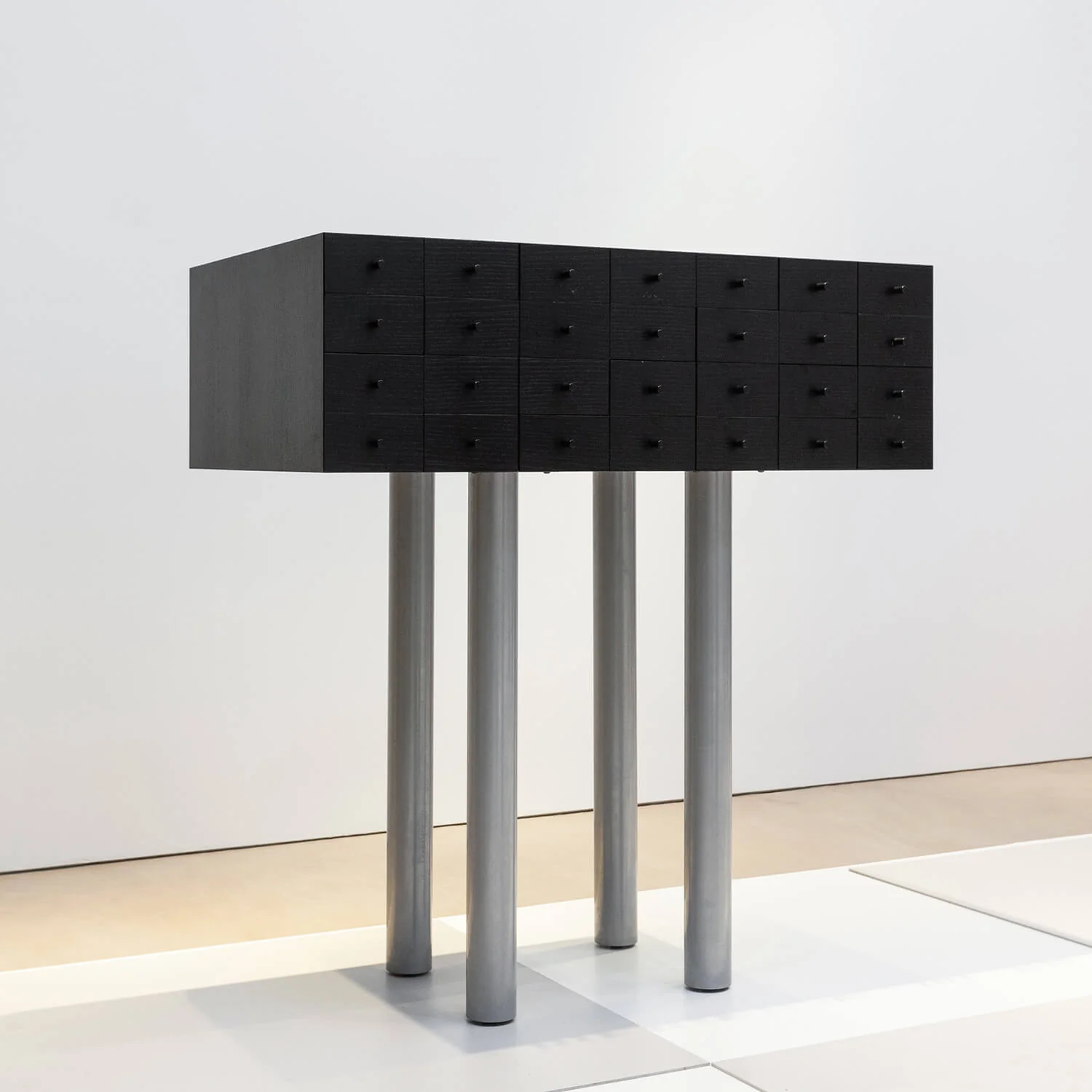
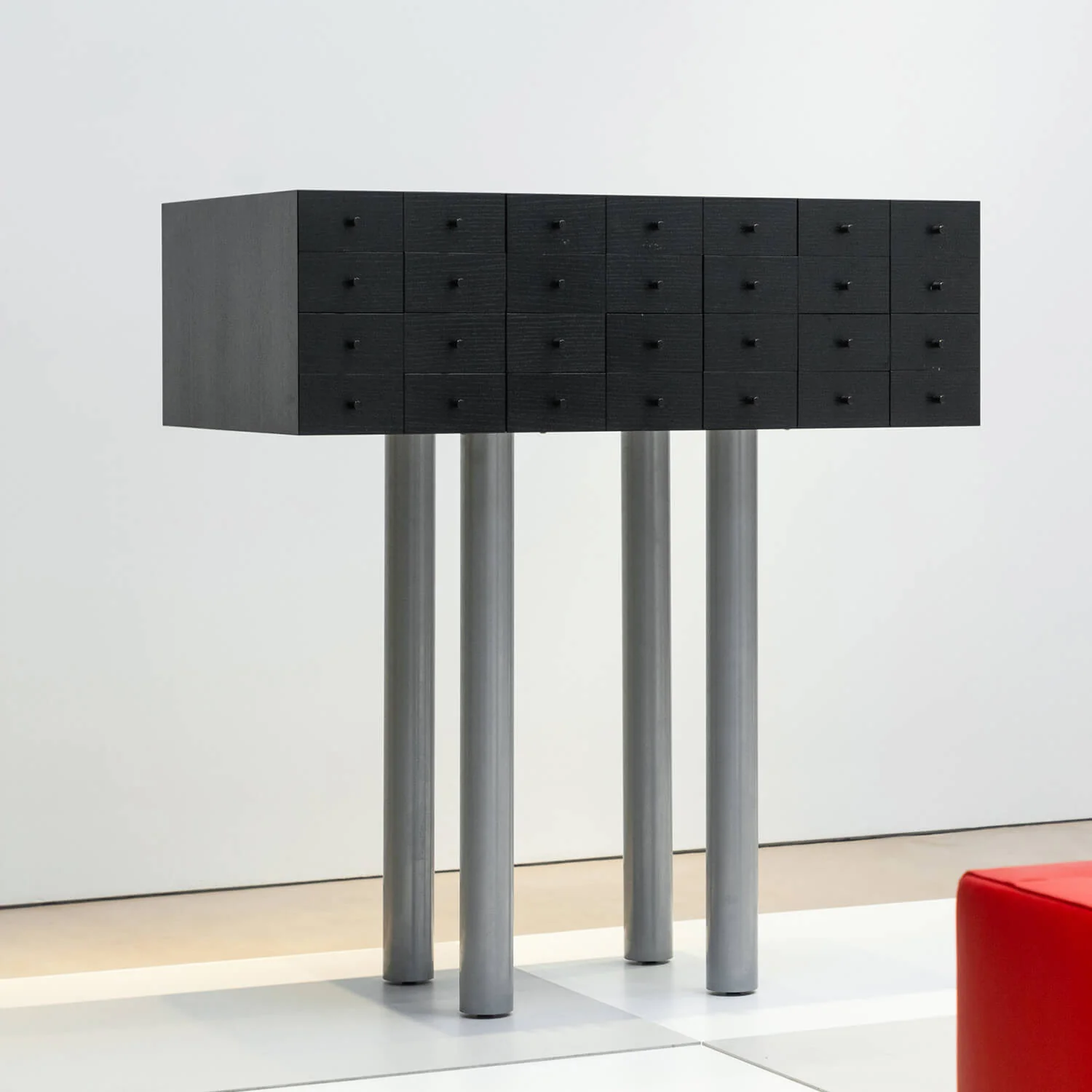
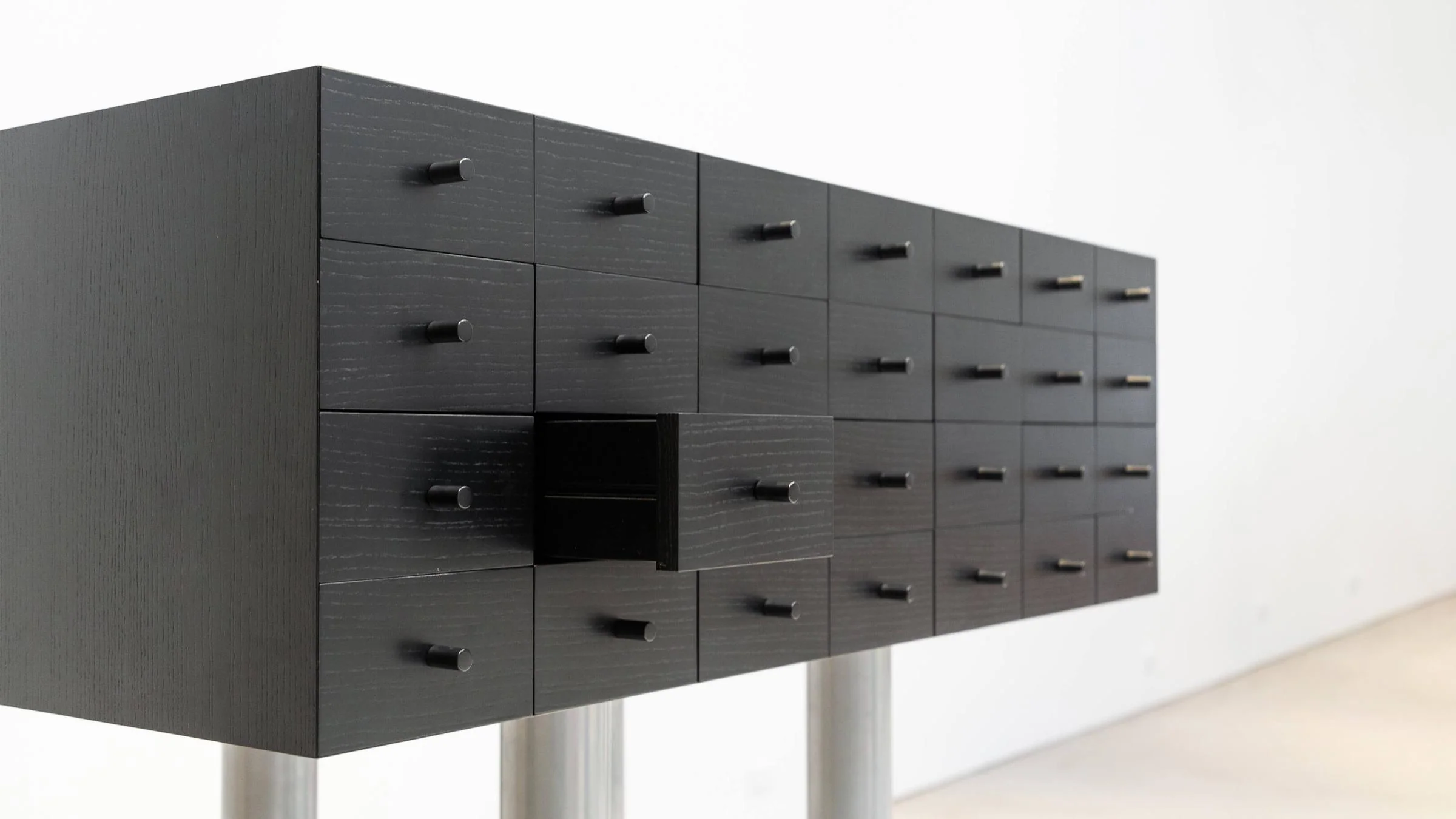
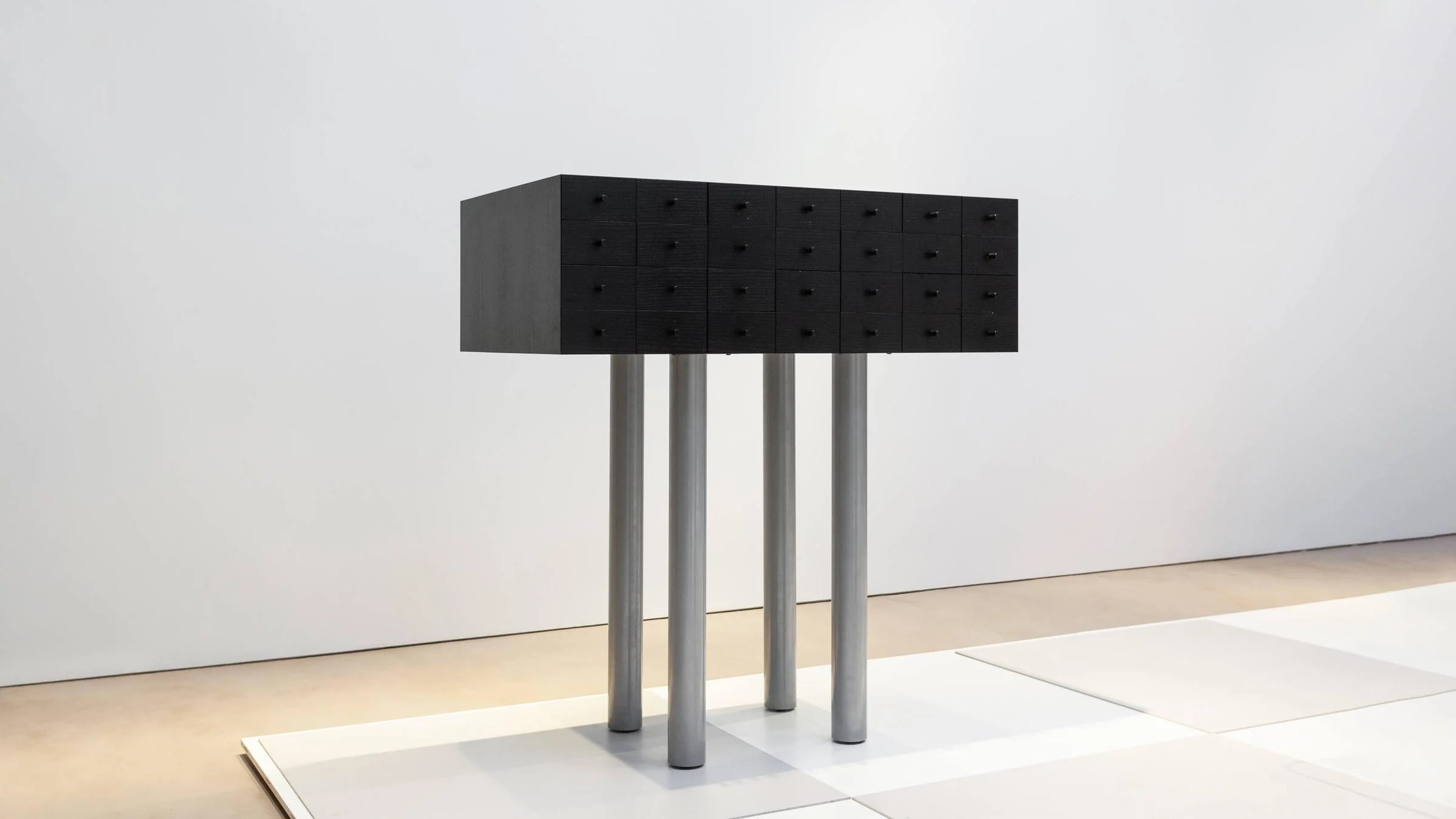
Shiro Kuramata named this cabinet after Andrei Tarkovsky's 1972 film, in which memory surfaces as a living, disorienting force. The Solaris Chest carries that premise into physical form: 28 drawers arranged on four elongated legs, rising like an object pulled from a dream rather than drawn at a drafting table.
Kuramata was among the most singular designers of the twentieth century, working at the intersection of poetry and furniture. His pieces resist utility as their primary definition. The Solaris is as much about what is concealed inside, held and protected from view, as it is about the commanding vertical silhouette it casts in a room.
- 28 drawers in a totemic vertical composition
- Four slender legs that give the piece a hovering, weightless quality
- Produced by Cappellini as part of its archive of iconic, limited-edition works
- Made to order
Cappellini has long served as a custodian of design at its most experimental, and the Solaris Chest is among the most consequential objects in that canon. It does not decorate a space so much as it occupies one, asserting its own presence with quiet authority.
Original: $31,850.00
-65%$31,850.00
$11,147.50More Images





Solaris Chest
Shiro Kuramata named this cabinet after Andrei Tarkovsky's 1972 film, in which memory surfaces as a living, disorienting force. The Solaris Chest carries that premise into physical form: 28 drawers arranged on four elongated legs, rising like an object pulled from a dream rather than drawn at a drafting table.
Kuramata was among the most singular designers of the twentieth century, working at the intersection of poetry and furniture. His pieces resist utility as their primary definition. The Solaris is as much about what is concealed inside, held and protected from view, as it is about the commanding vertical silhouette it casts in a room.
- 28 drawers in a totemic vertical composition
- Four slender legs that give the piece a hovering, weightless quality
- Produced by Cappellini as part of its archive of iconic, limited-edition works
- Made to order
Cappellini has long served as a custodian of design at its most experimental, and the Solaris Chest is among the most consequential objects in that canon. It does not decorate a space so much as it occupies one, asserting its own presence with quiet authority.
Product Information
Product Information
Shipping & Returns
Shipping & Returns
Description
Shiro Kuramata named this cabinet after Andrei Tarkovsky's 1972 film, in which memory surfaces as a living, disorienting force. The Solaris Chest carries that premise into physical form: 28 drawers arranged on four elongated legs, rising like an object pulled from a dream rather than drawn at a drafting table.
Kuramata was among the most singular designers of the twentieth century, working at the intersection of poetry and furniture. His pieces resist utility as their primary definition. The Solaris is as much about what is concealed inside, held and protected from view, as it is about the commanding vertical silhouette it casts in a room.
- 28 drawers in a totemic vertical composition
- Four slender legs that give the piece a hovering, weightless quality
- Produced by Cappellini as part of its archive of iconic, limited-edition works
- Made to order
Cappellini has long served as a custodian of design at its most experimental, and the Solaris Chest is among the most consequential objects in that canon. It does not decorate a space so much as it occupies one, asserting its own presence with quiet authority.