Omaggio A Morandi
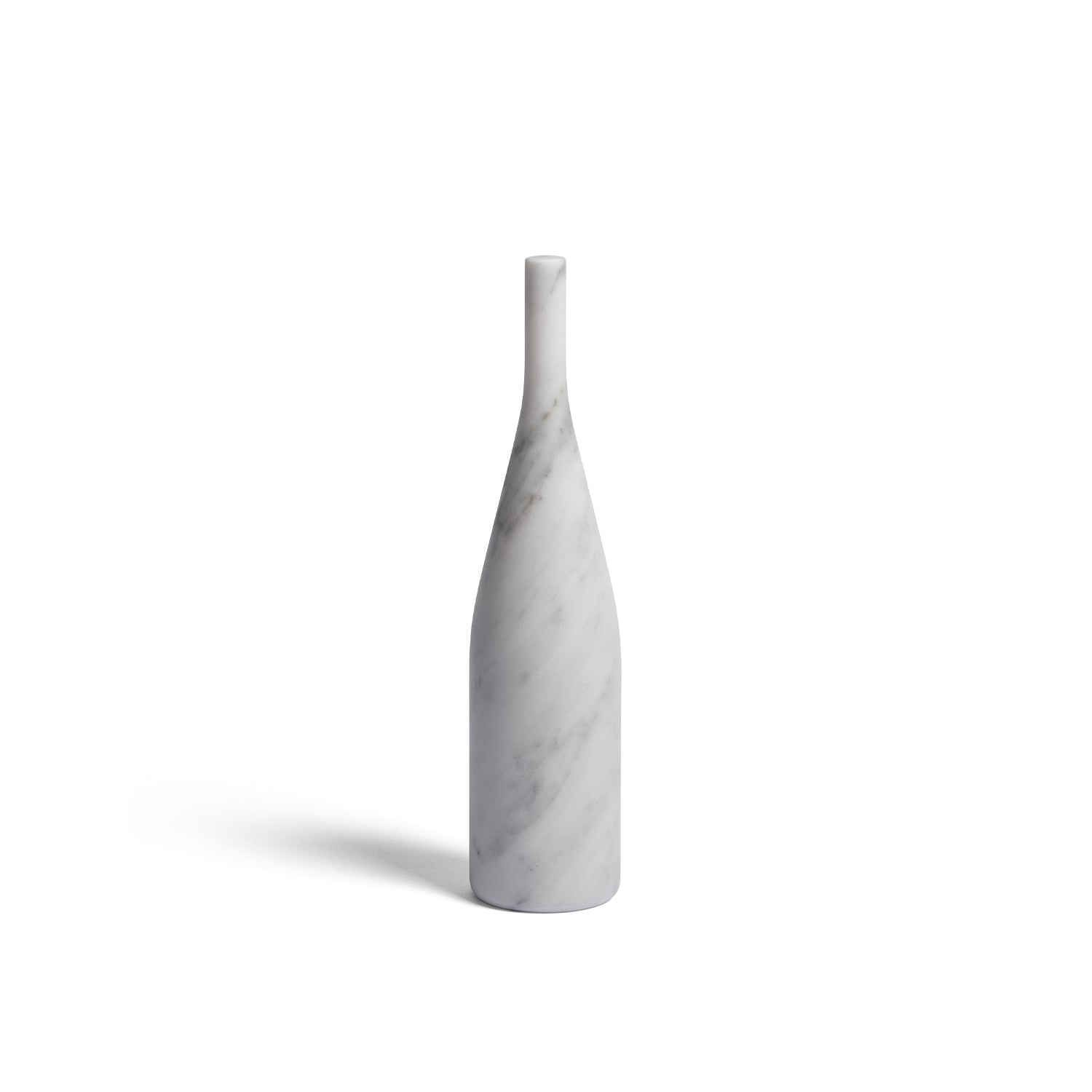
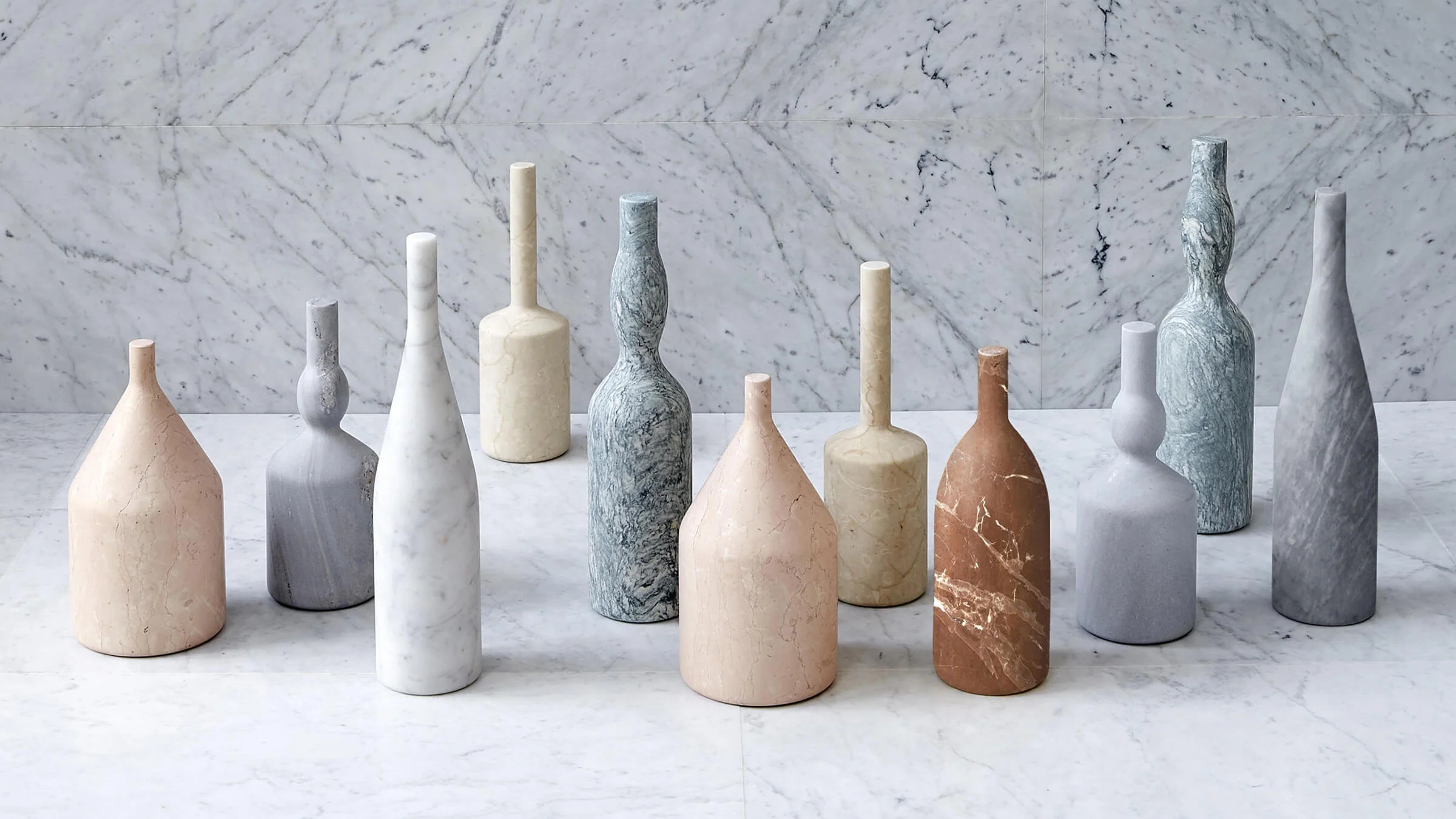
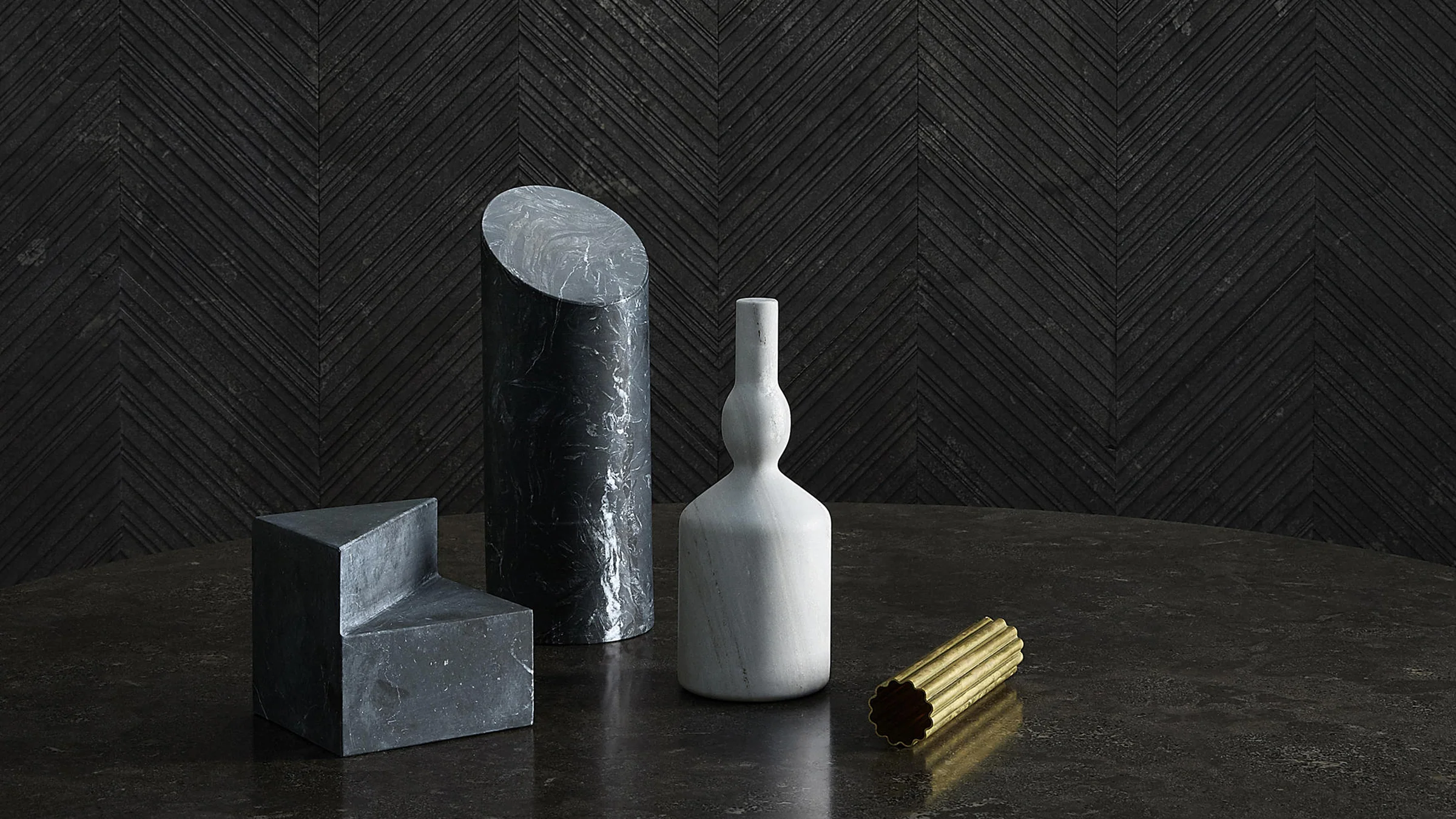
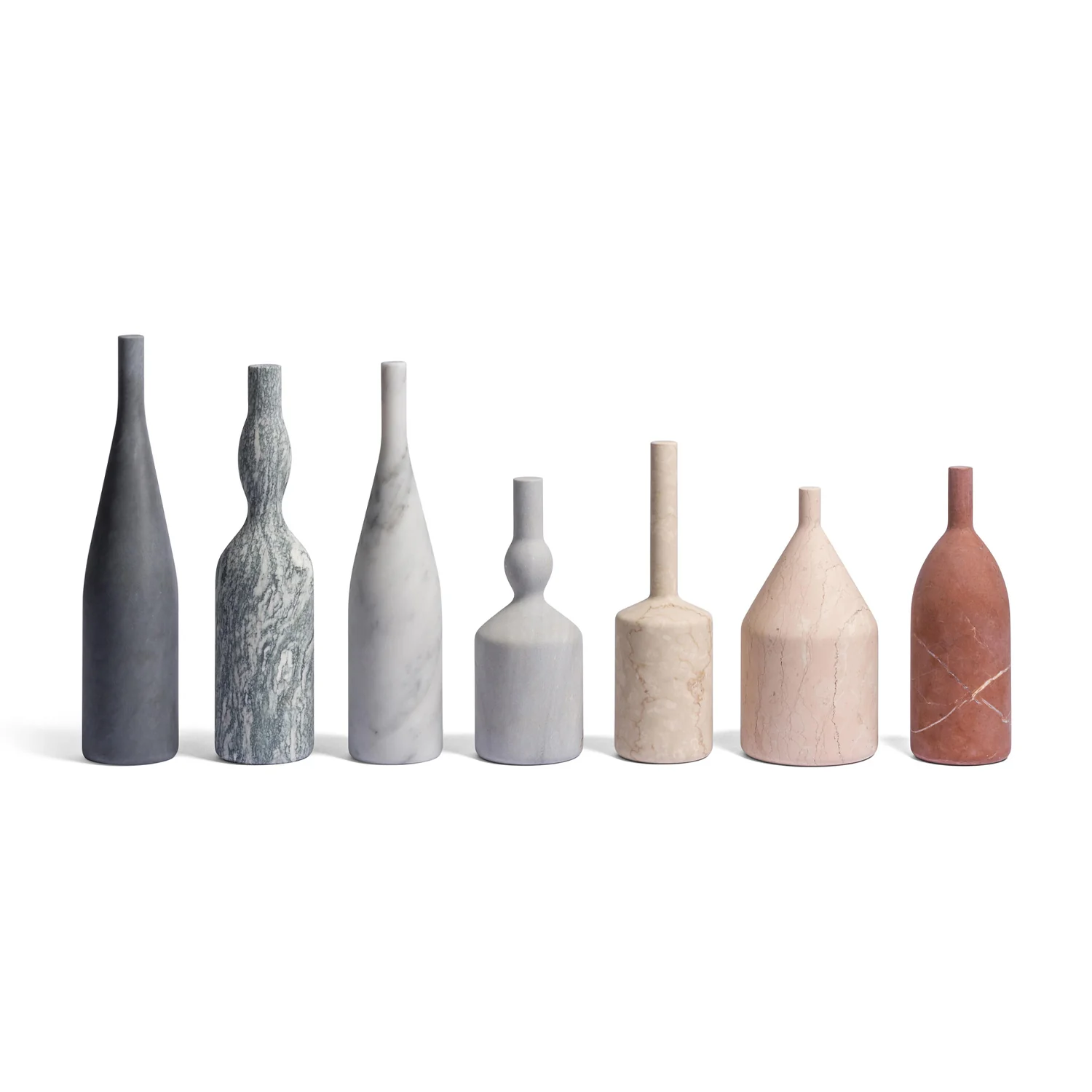
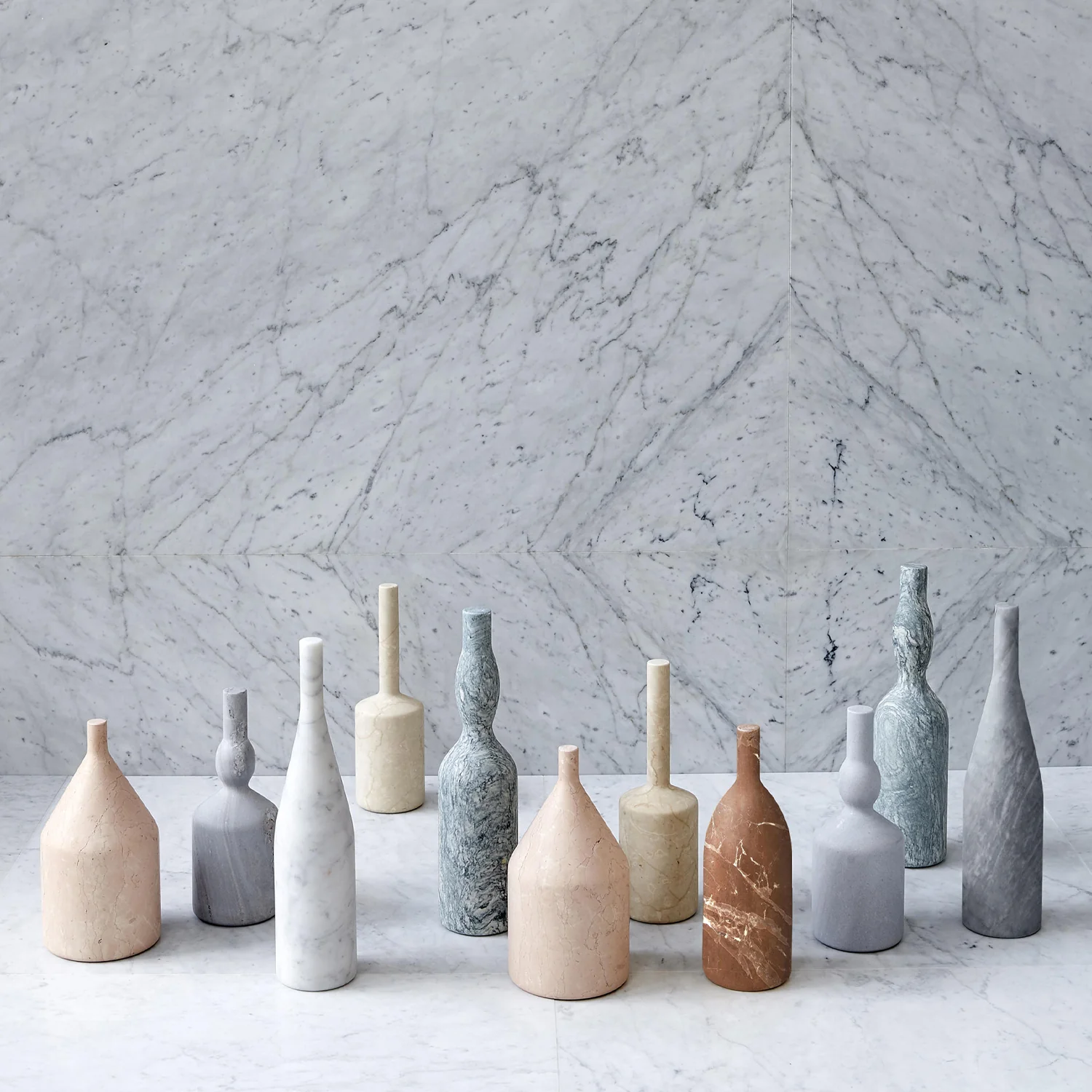
Elisa Ossino began with a quiet observation: the vessels Giorgio Morandi painted obsessively throughout his life share something essential with stone. Both reward stillness. Both resist ornament. Her Omaggio a Morandi collection for Salvatori translates that insight into form, casting the painter's archetypal bottles and cylinders in some of Italy's most storied marbles.
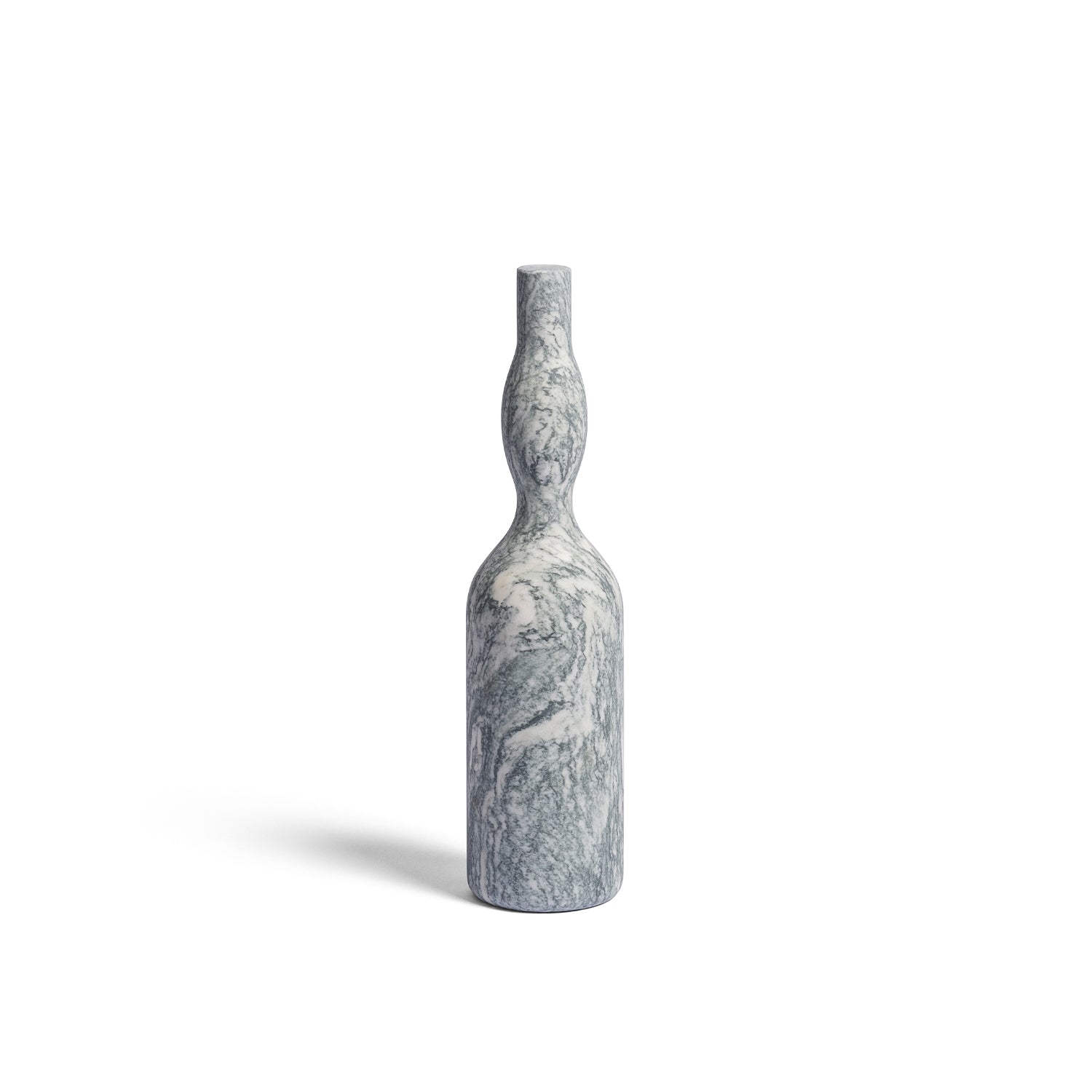
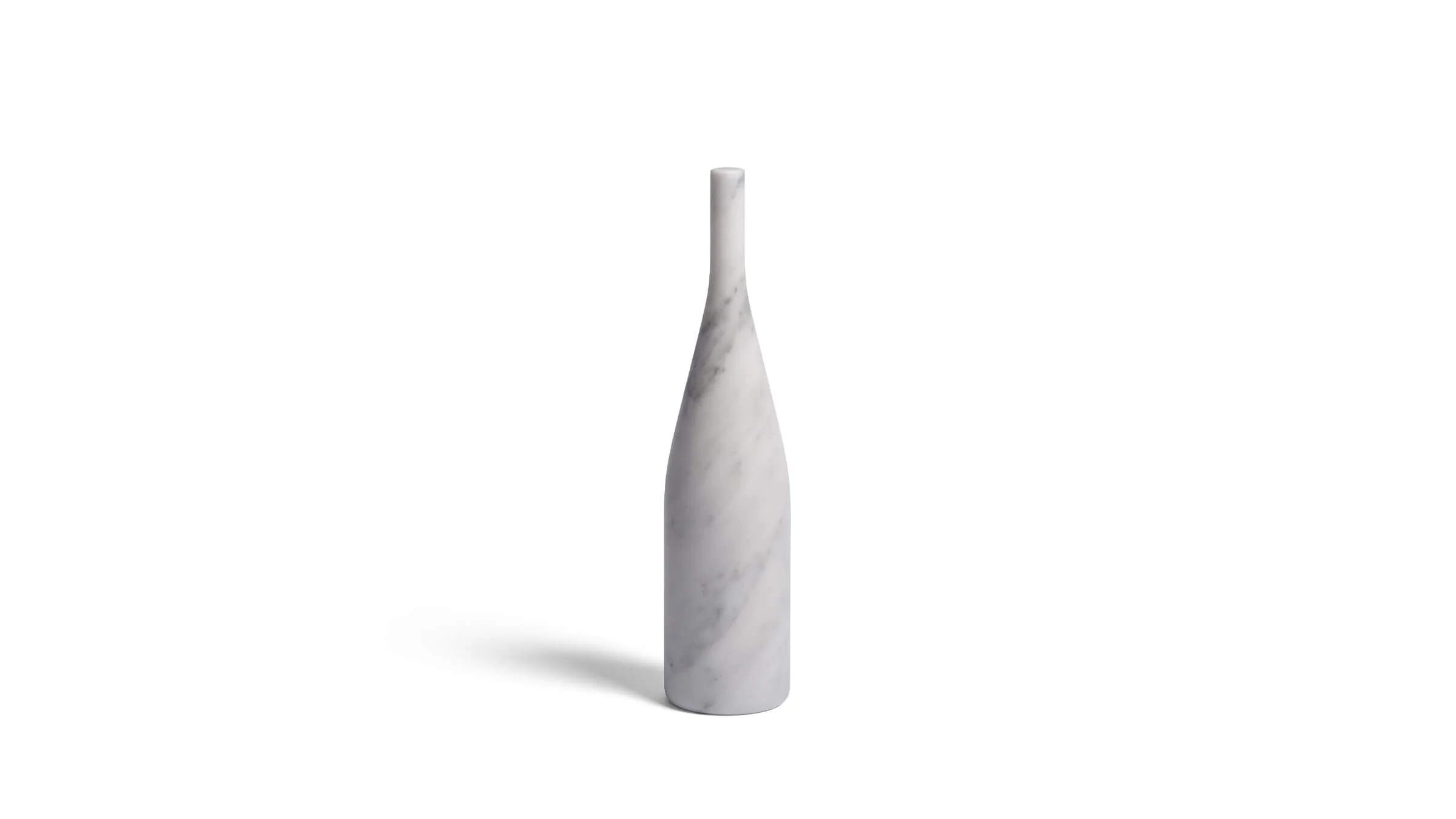
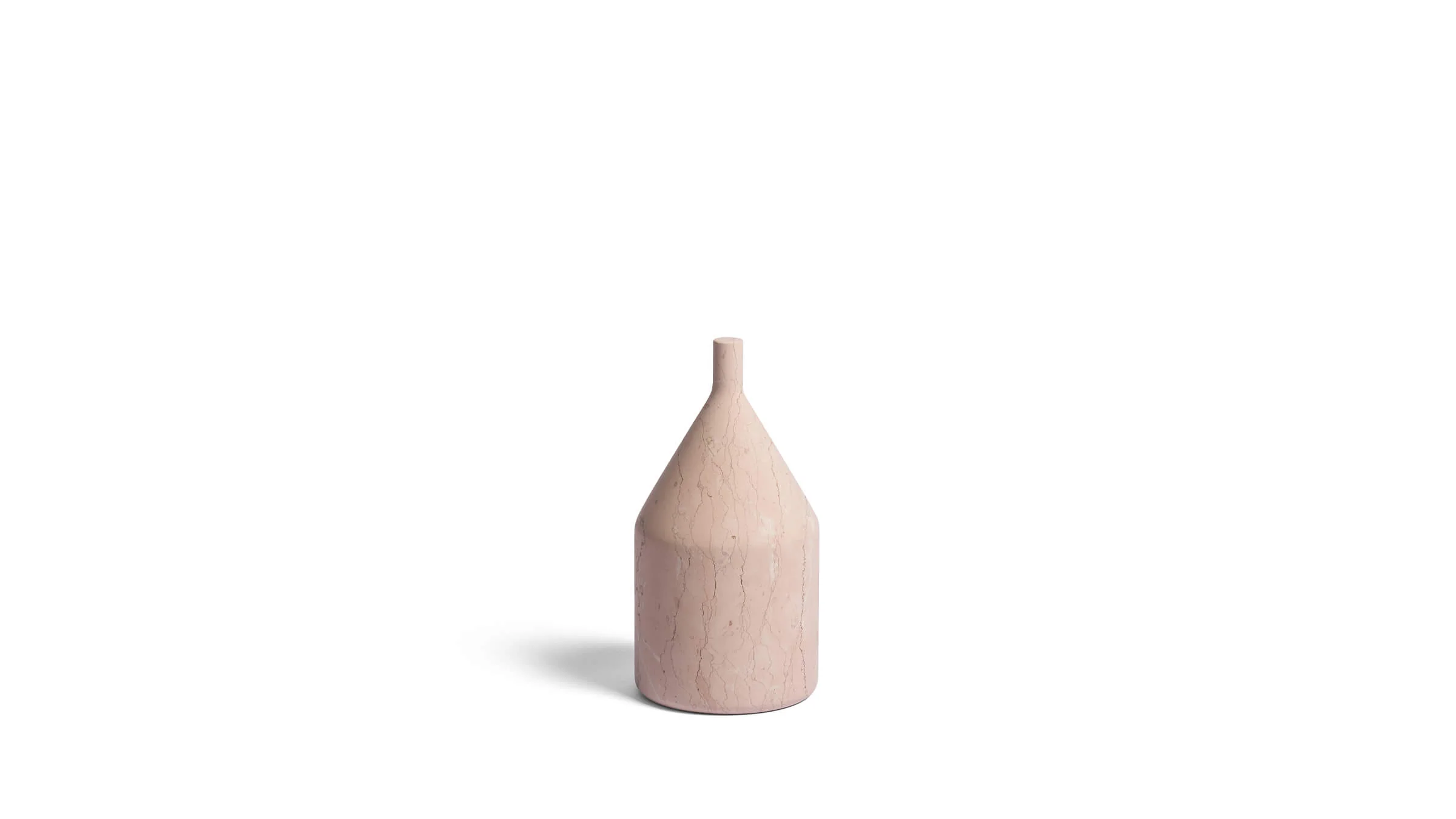
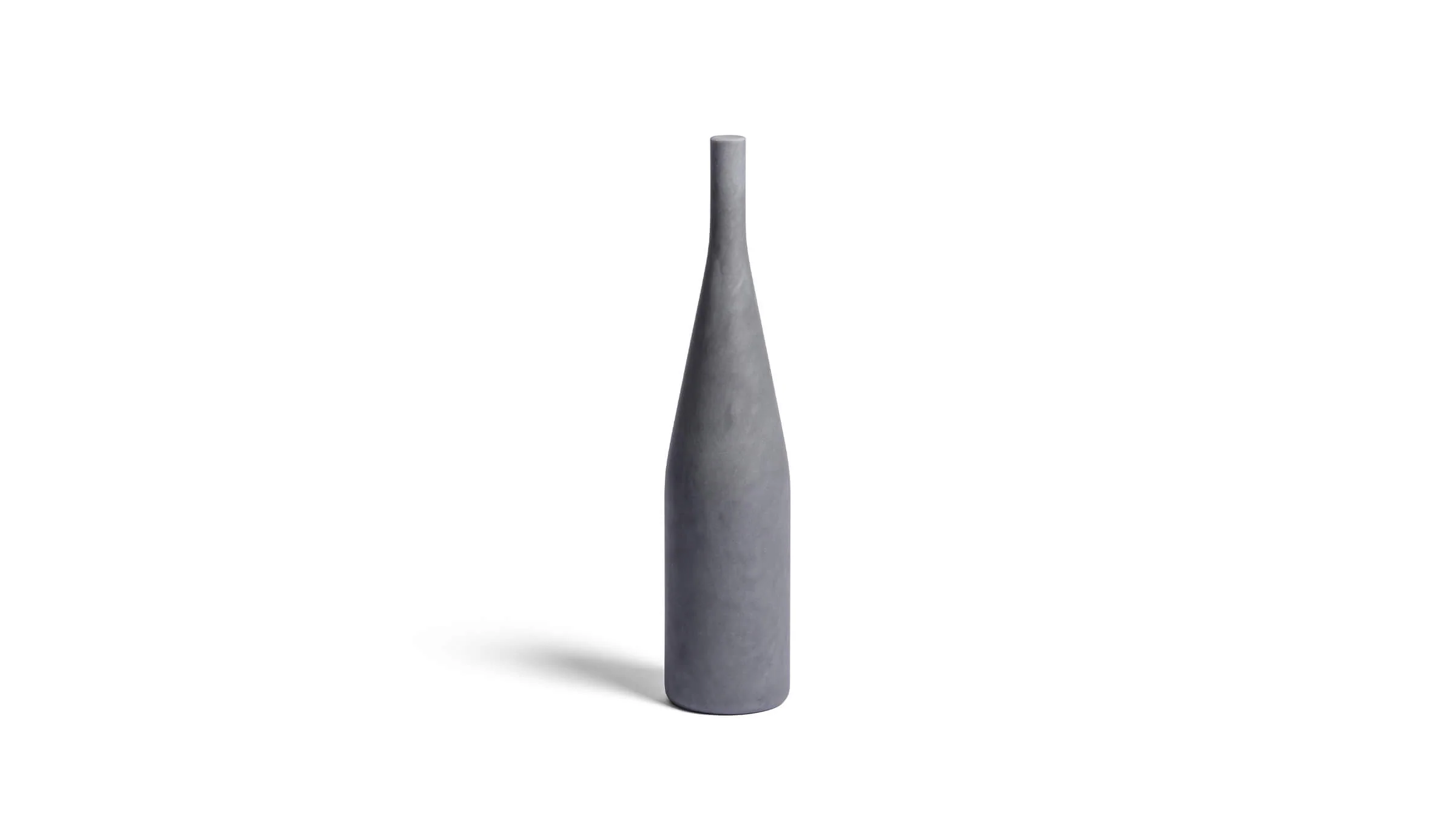
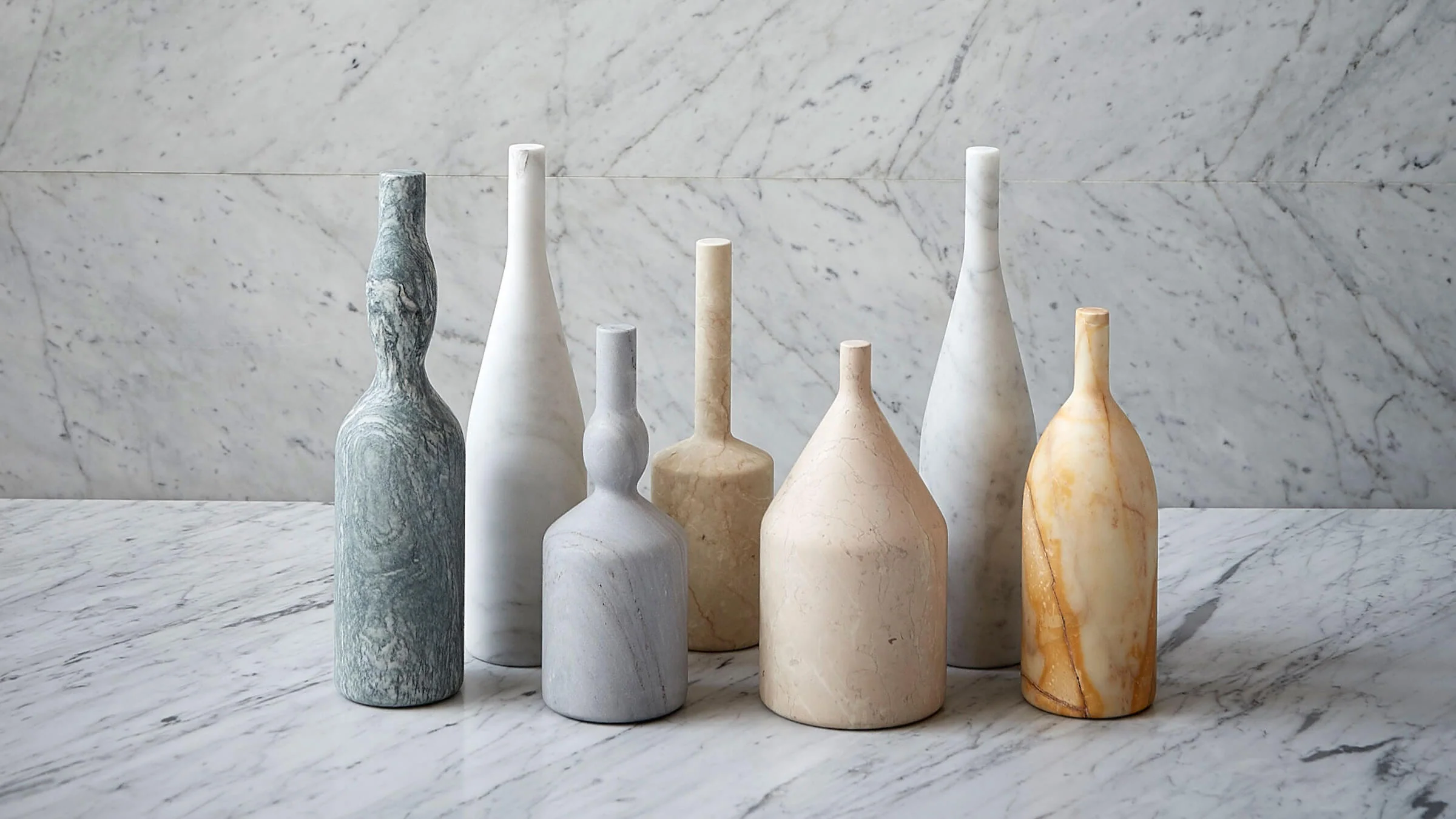
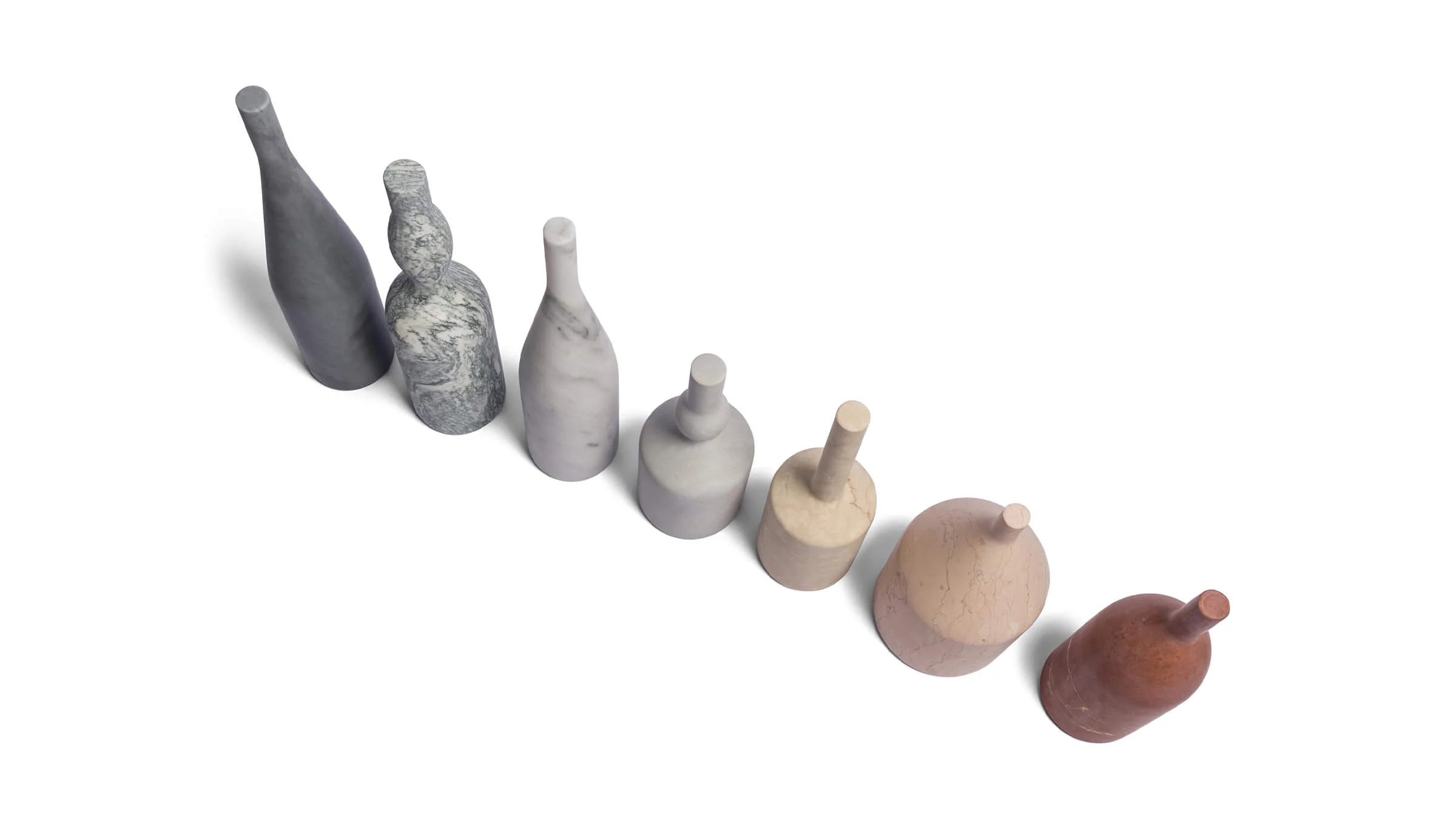
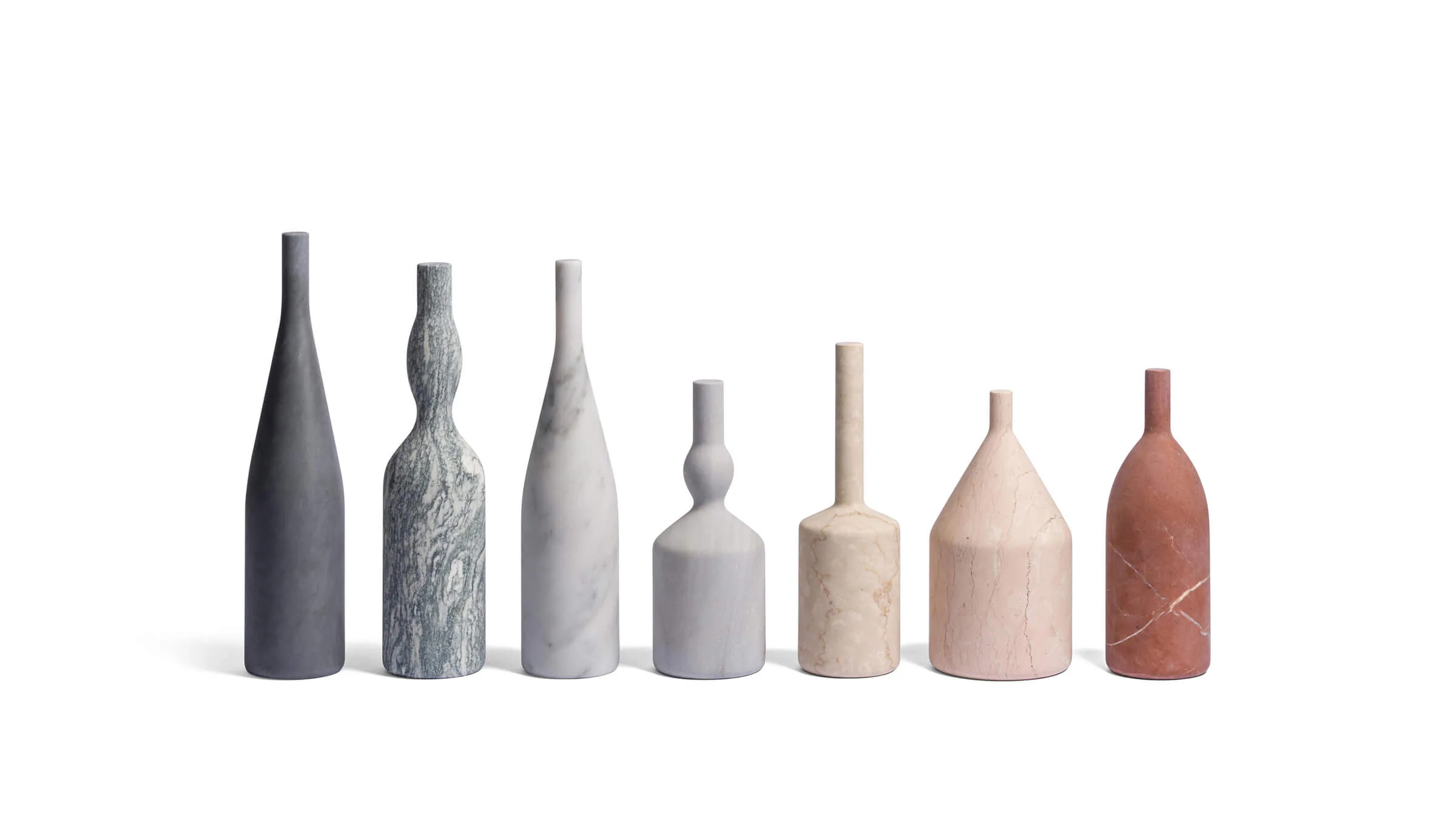
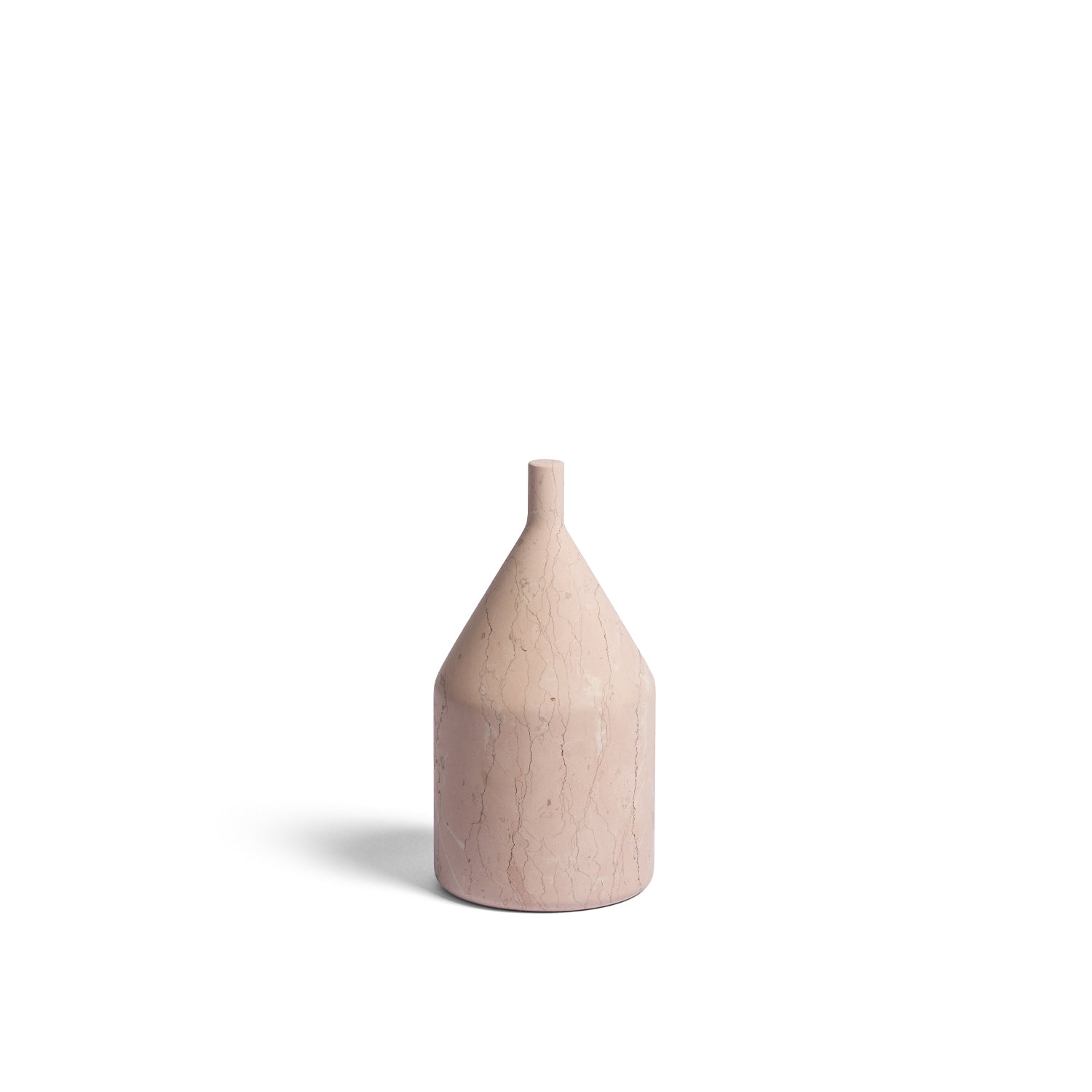
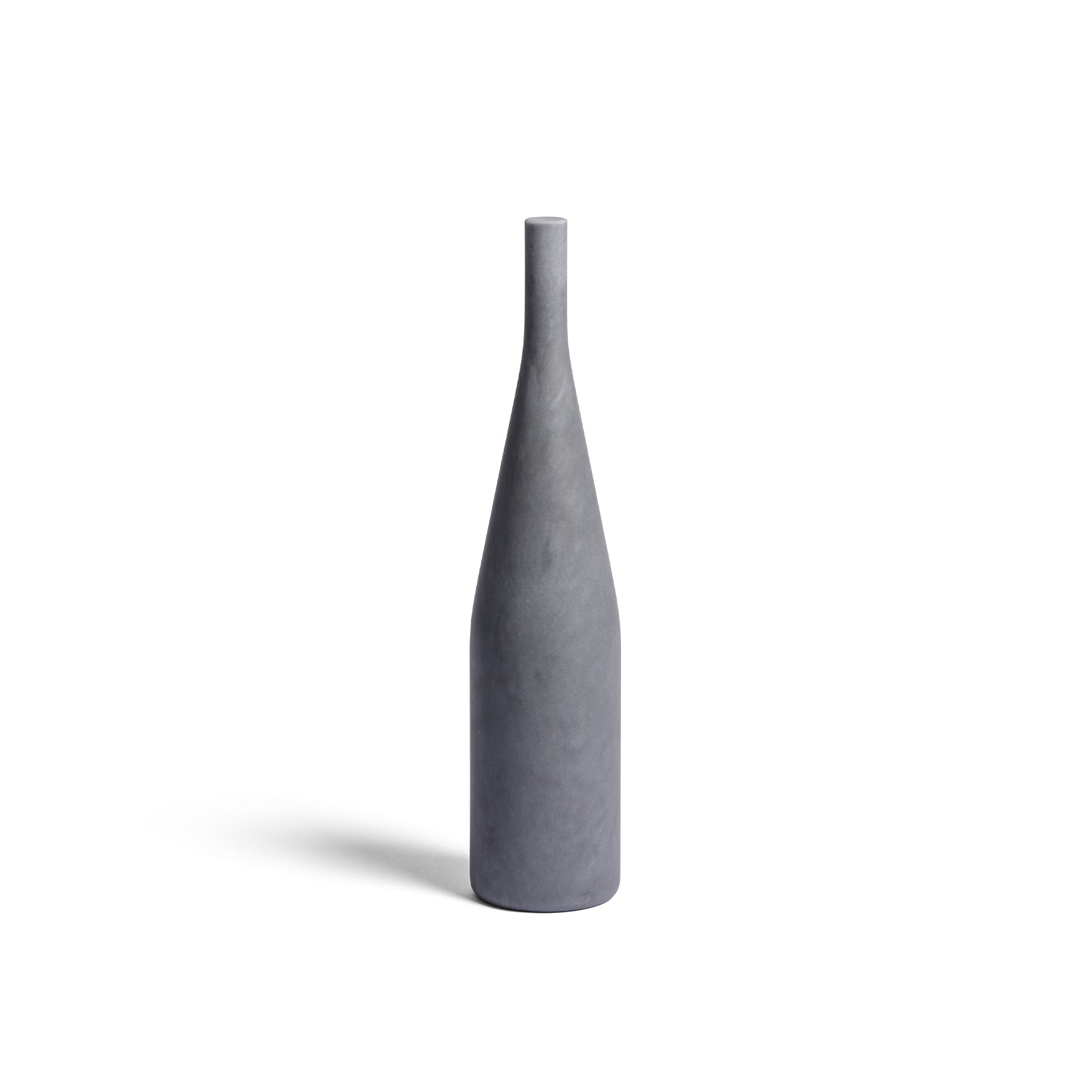
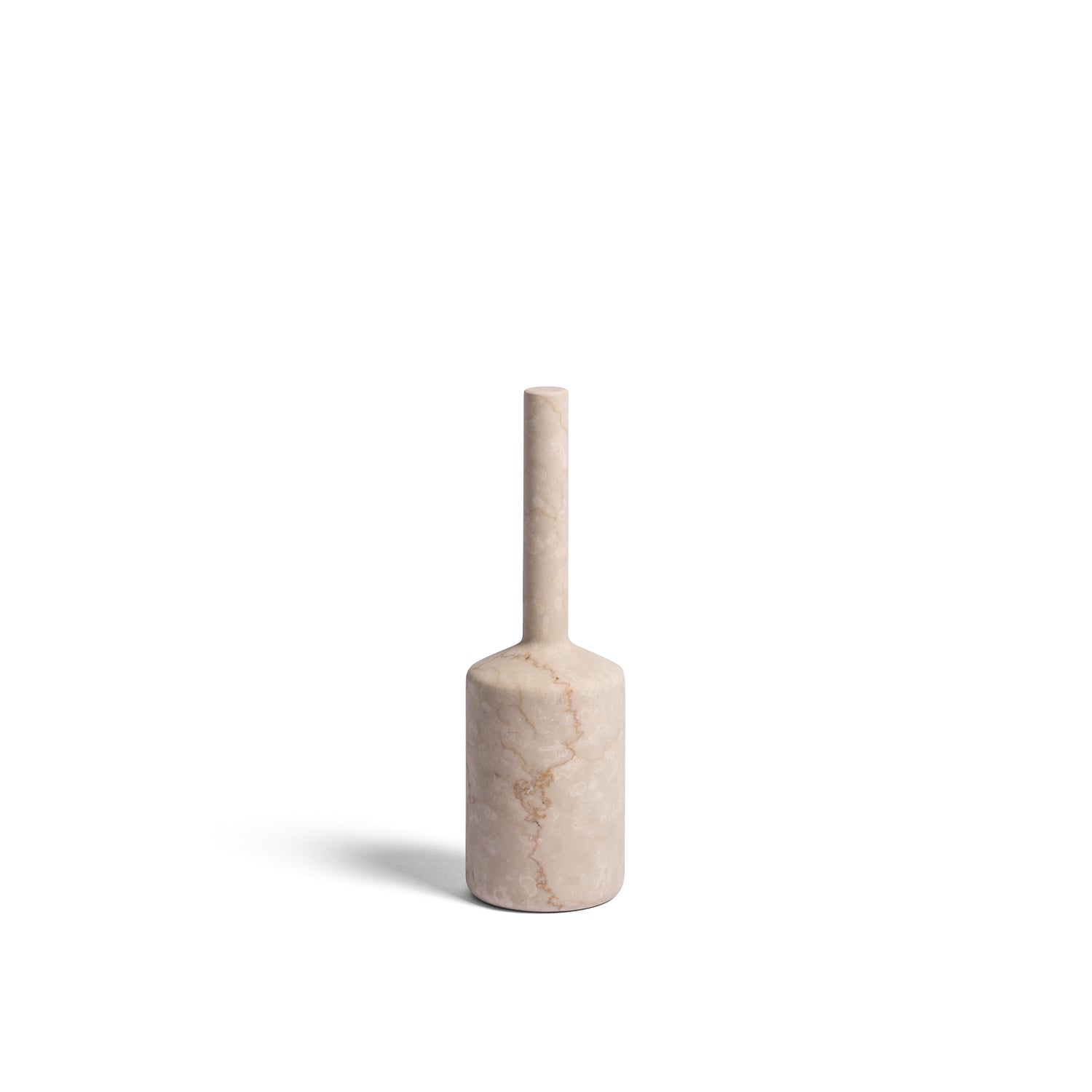
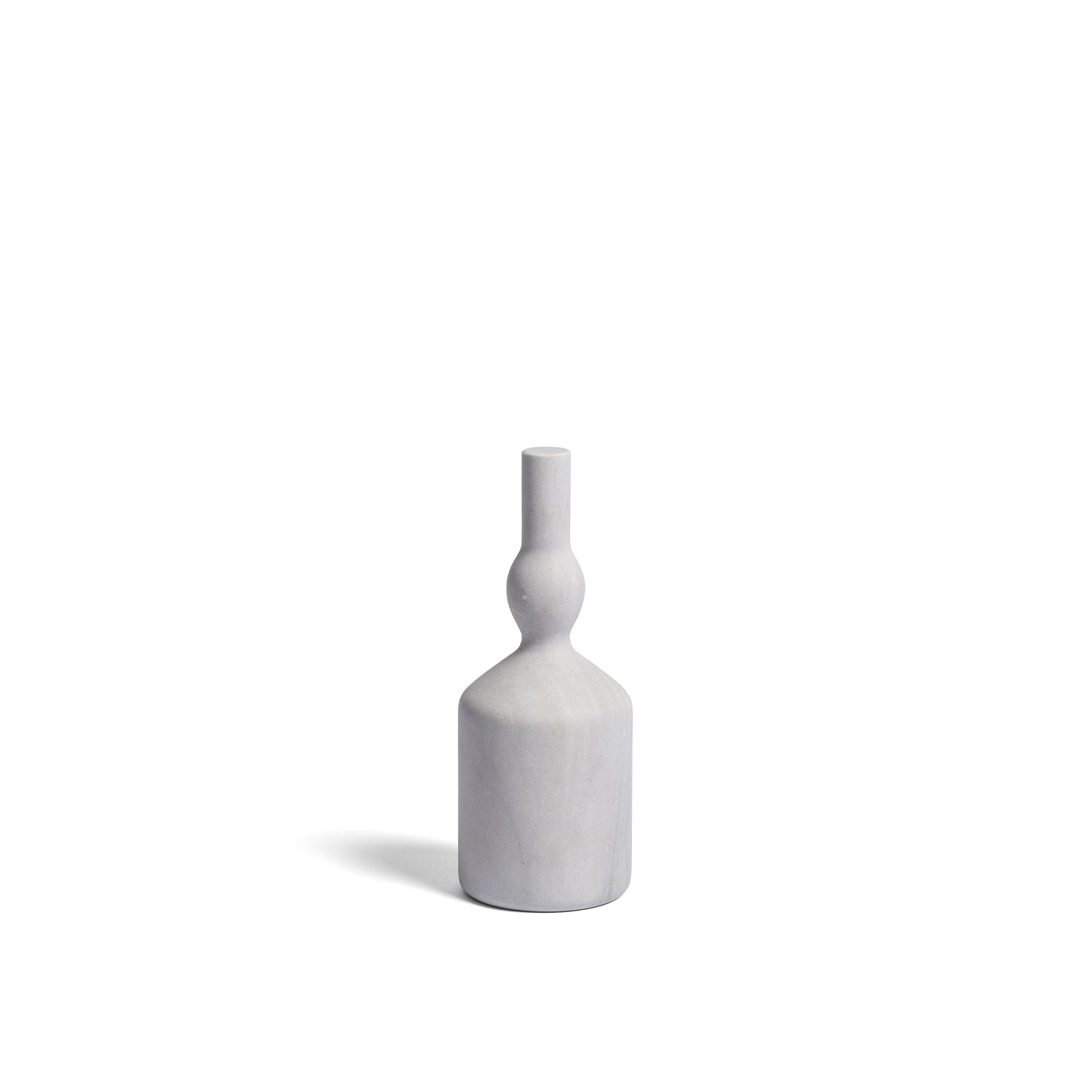
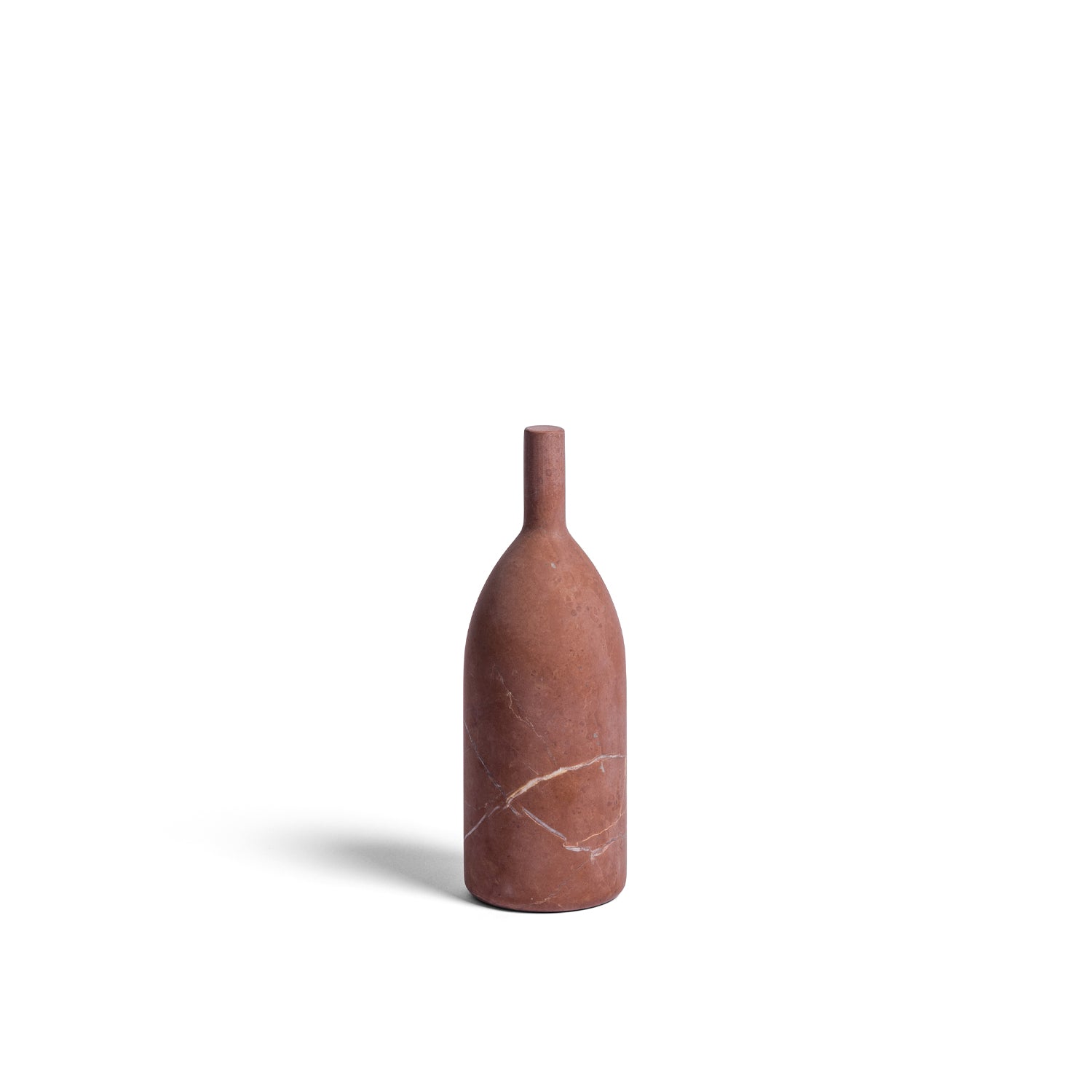
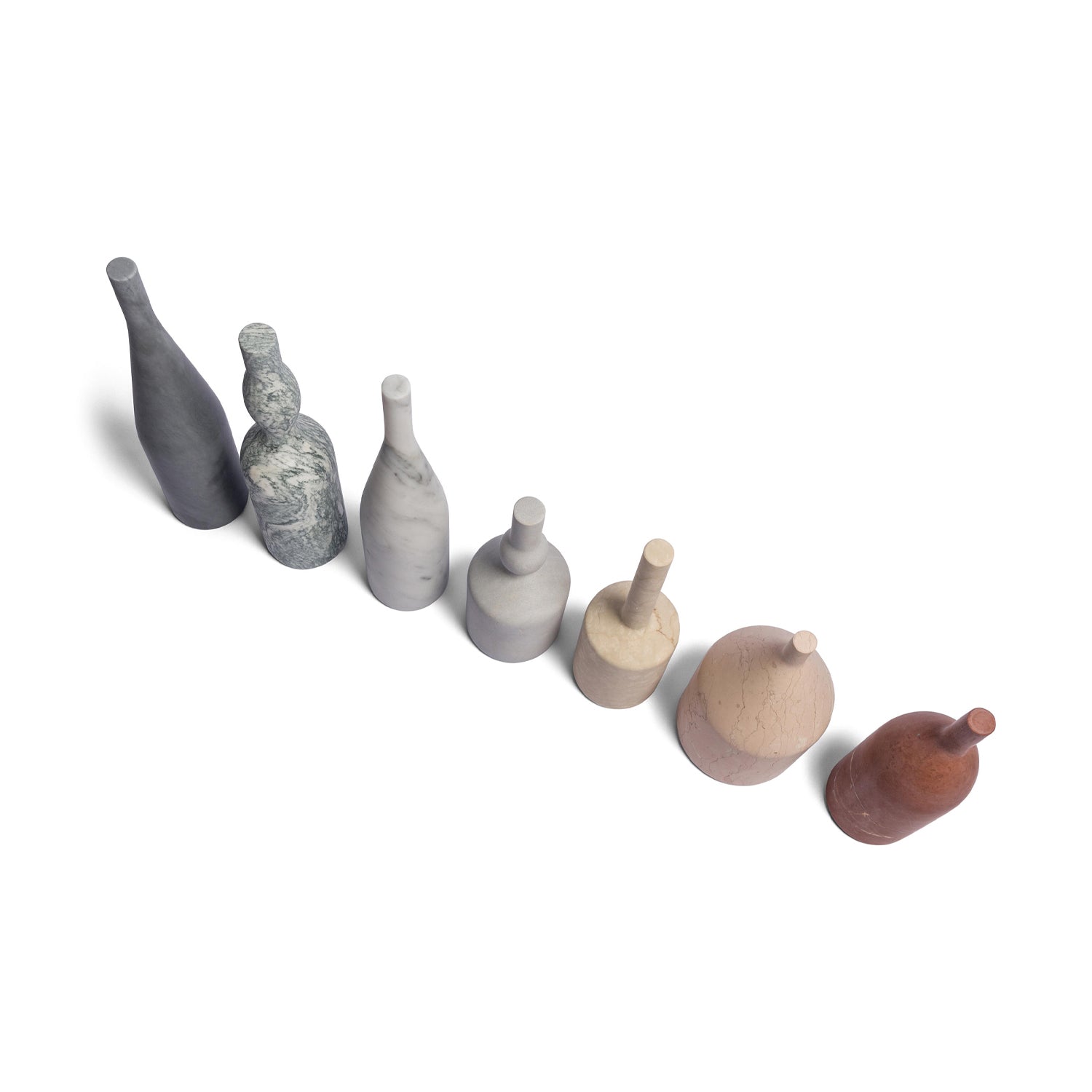
Each piece is carved from a single variety of natural stone, chosen to draw out a different dimension of Morandi's sensibility. Bianco Carrara reads with the pale, dusty quietude of his most restrained canvases. Botticino offers warmth and fine grain. Cipollino introduces a wavering, almost atmospheric depth. Rosso Collemandina arrives with the drama he rarely permitted himself but somehow implied.
- Bianco Carrara: classic white marble quarried in the Apuan Alps, used in Italian sculpture for centuries
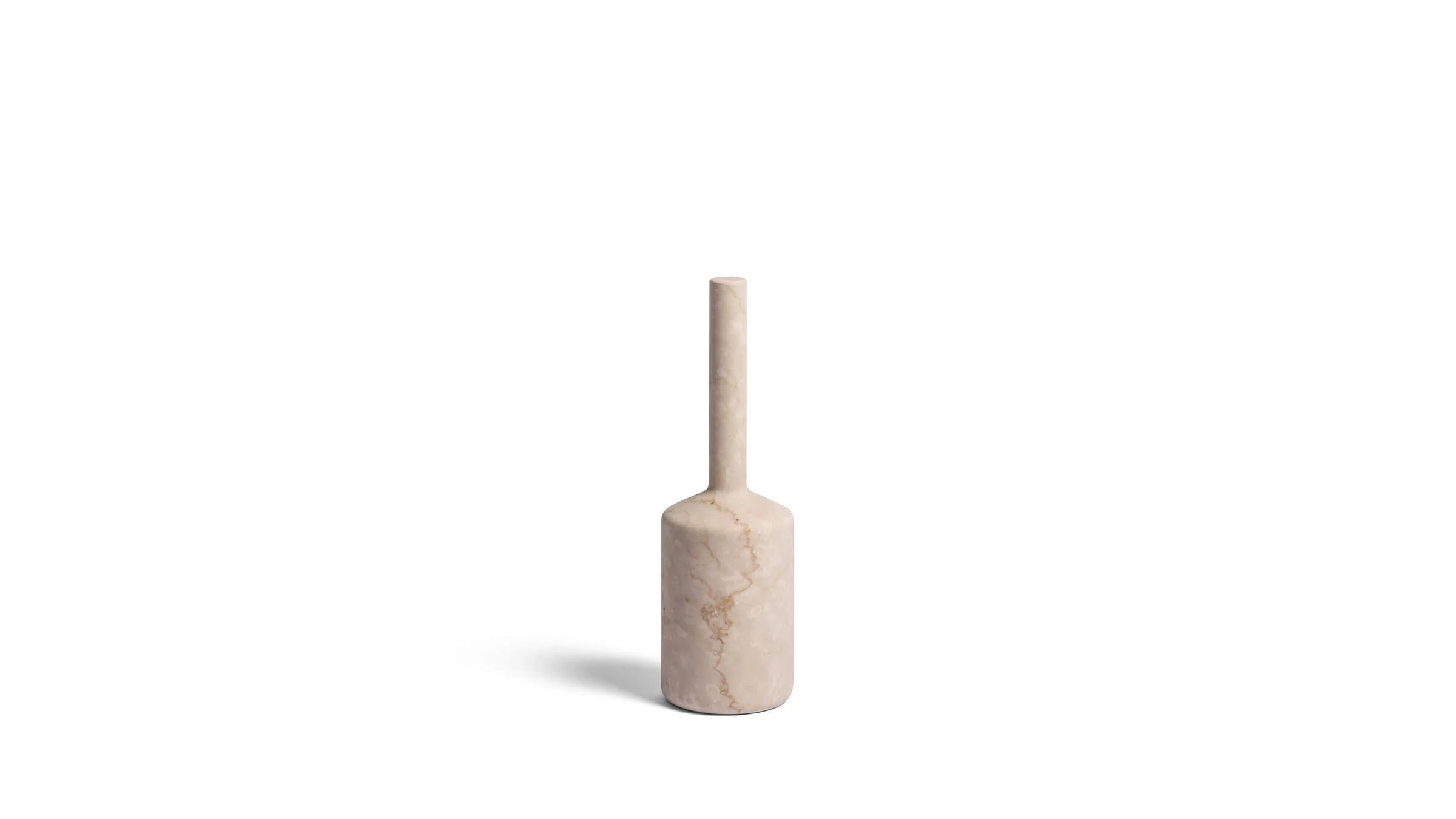
- Botticino: a warm beige limestone from Brescia with subtle fossil texture
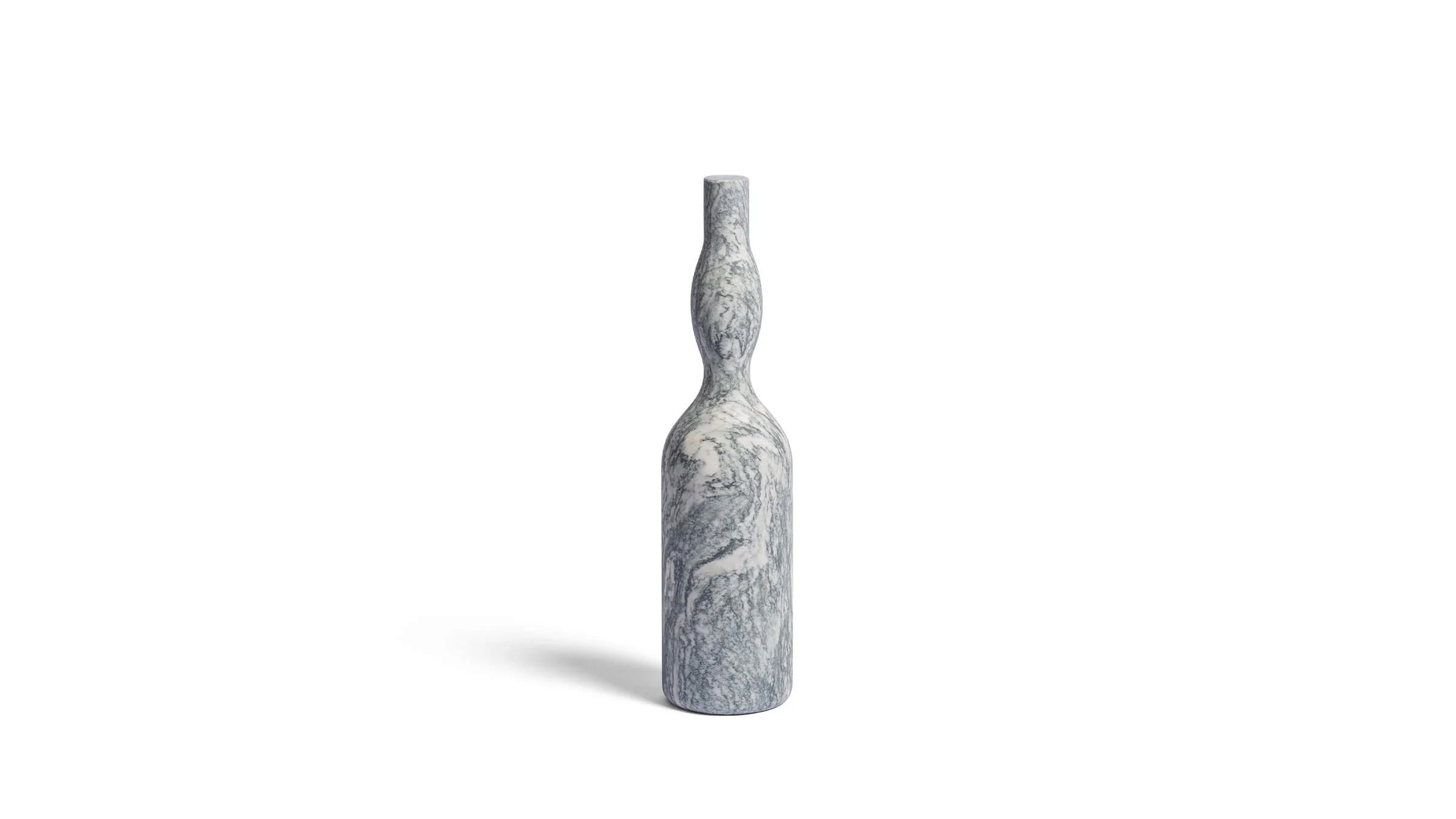
- Cipollino: a green-veined marble whose layered movement suggests the onion skin its name references
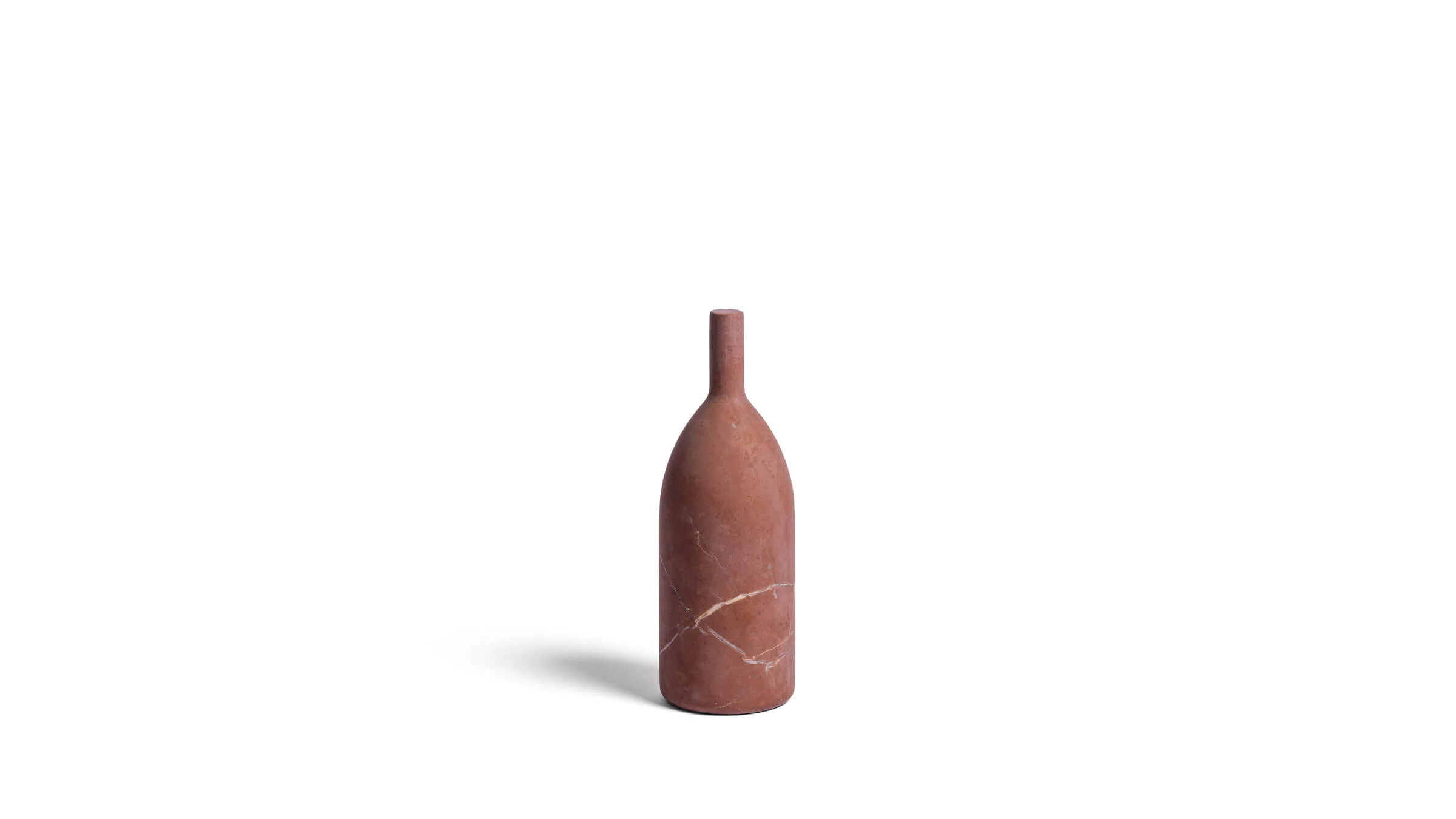
- Rosso Collemandina: a deep red Tuscan marble of rare intensity
Ossino studied architecture before turning to design, and that formation shows. These are not decorative objects that borrow an artist's name. They are a considered argument about form, material, and the dignity of the ordinary vessel.
Original: $567.00
-65%$567.00
$198.45More Images

Omaggio A Morandi
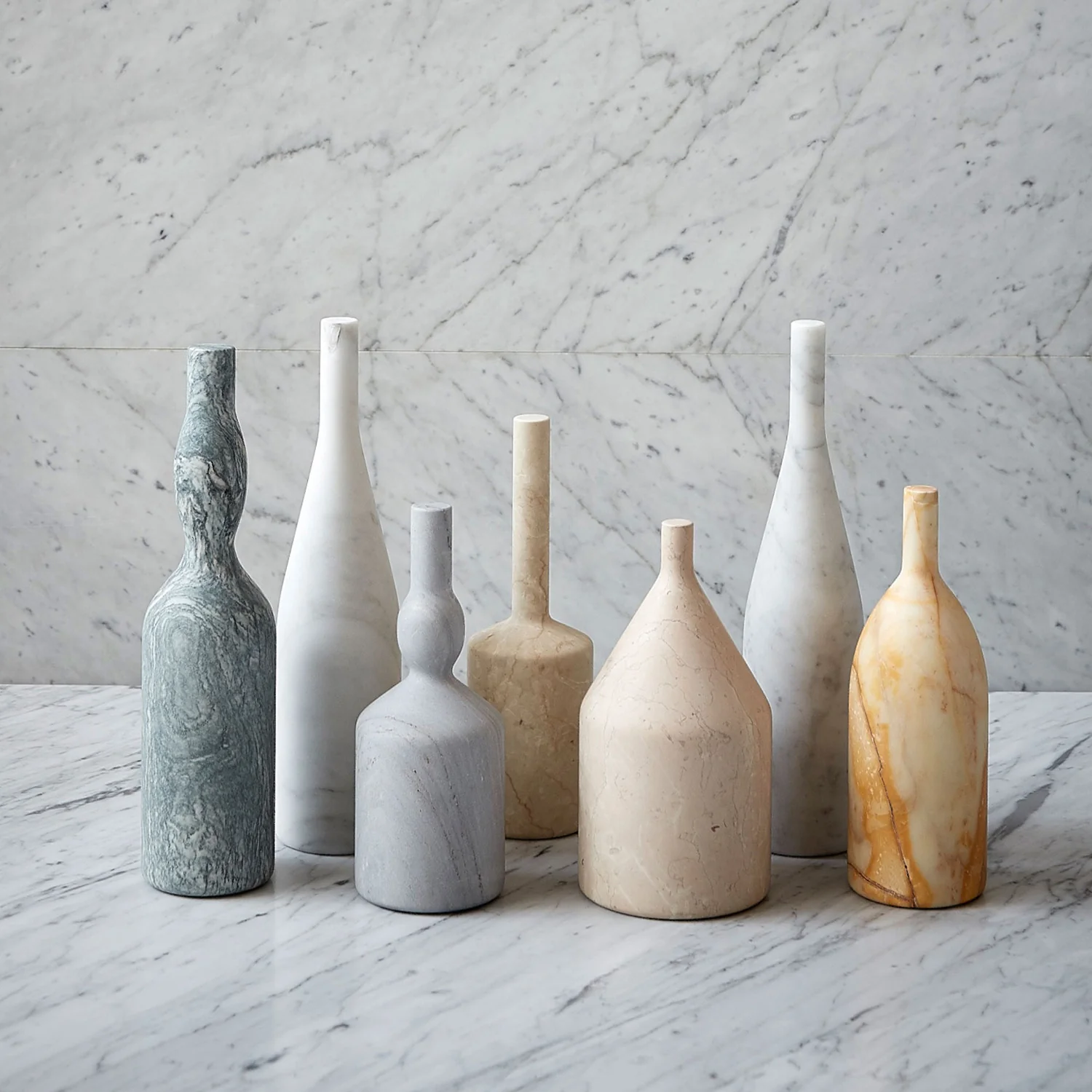
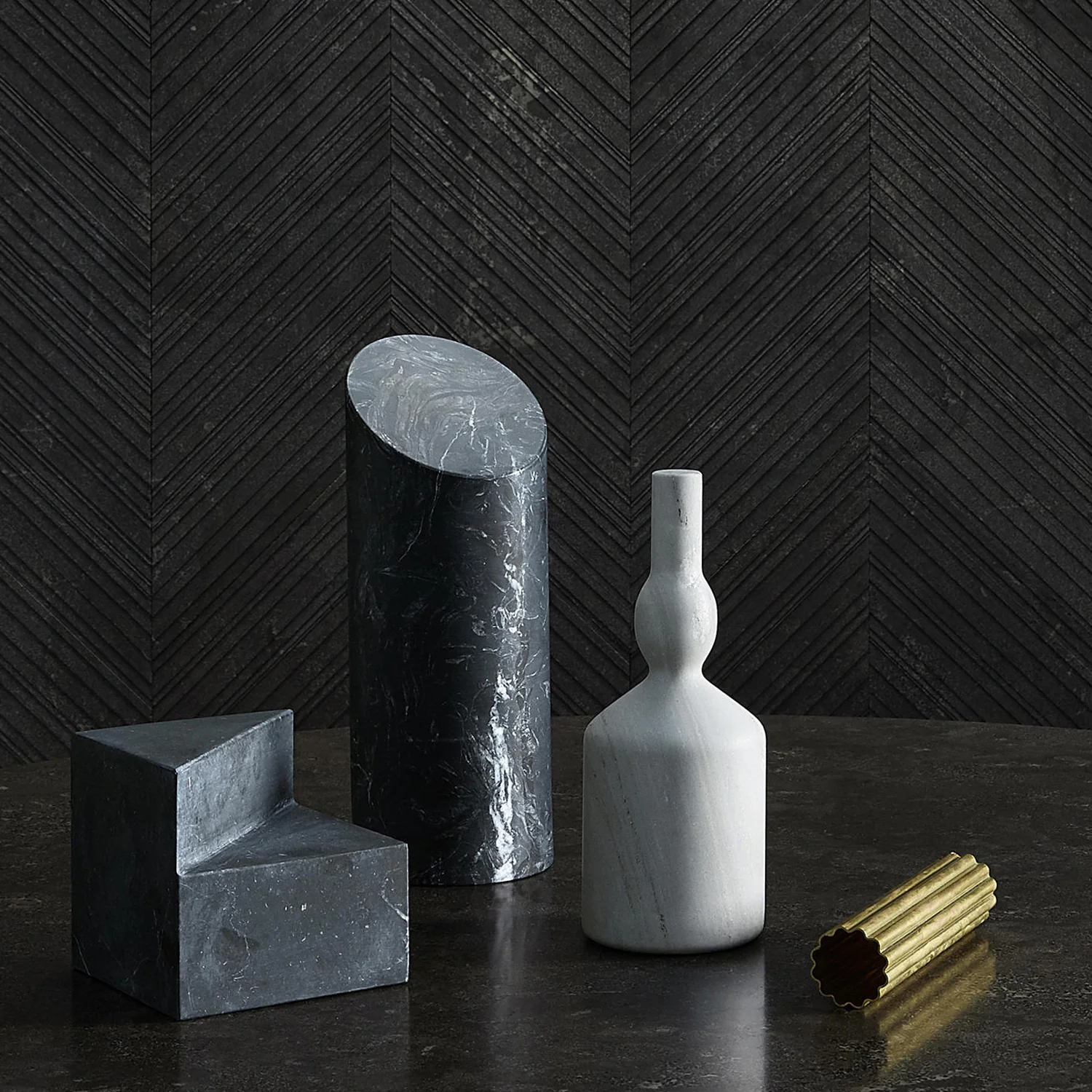
Elisa Ossino began with a quiet observation: the vessels Giorgio Morandi painted obsessively throughout his life share something essential with stone. Both reward stillness. Both resist ornament. Her Omaggio a Morandi collection for Salvatori translates that insight into form, casting the painter's archetypal bottles and cylinders in some of Italy's most storied marbles.
Each piece is carved from a single variety of natural stone, chosen to draw out a different dimension of Morandi's sensibility. Bianco Carrara reads with the pale, dusty quietude of his most restrained canvases. Botticino offers warmth and fine grain. Cipollino introduces a wavering, almost atmospheric depth. Rosso Collemandina arrives with the drama he rarely permitted himself but somehow implied.
- Bianco Carrara: classic white marble quarried in the Apuan Alps, used in Italian sculpture for centuries
- Botticino: a warm beige limestone from Brescia with subtle fossil texture
- Cipollino: a green-veined marble whose layered movement suggests the onion skin its name references
- Rosso Collemandina: a deep red Tuscan marble of rare intensity
Ossino studied architecture before turning to design, and that formation shows. These are not decorative objects that borrow an artist's name. They are a considered argument about form, material, and the dignity of the ordinary vessel.
Product Information
Product Information
Shipping & Returns
Shipping & Returns
Description
Elisa Ossino began with a quiet observation: the vessels Giorgio Morandi painted obsessively throughout his life share something essential with stone. Both reward stillness. Both resist ornament. Her Omaggio a Morandi collection for Salvatori translates that insight into form, casting the painter's archetypal bottles and cylinders in some of Italy's most storied marbles.
Each piece is carved from a single variety of natural stone, chosen to draw out a different dimension of Morandi's sensibility. Bianco Carrara reads with the pale, dusty quietude of his most restrained canvases. Botticino offers warmth and fine grain. Cipollino introduces a wavering, almost atmospheric depth. Rosso Collemandina arrives with the drama he rarely permitted himself but somehow implied.
- Bianco Carrara: classic white marble quarried in the Apuan Alps, used in Italian sculpture for centuries
- Botticino: a warm beige limestone from Brescia with subtle fossil texture
- Cipollino: a green-veined marble whose layered movement suggests the onion skin its name references
- Rosso Collemandina: a deep red Tuscan marble of rare intensity
Ossino studied architecture before turning to design, and that formation shows. These are not decorative objects that borrow an artist's name. They are a considered argument about form, material, and the dignity of the ordinary vessel.