Monte Carlo Sofa
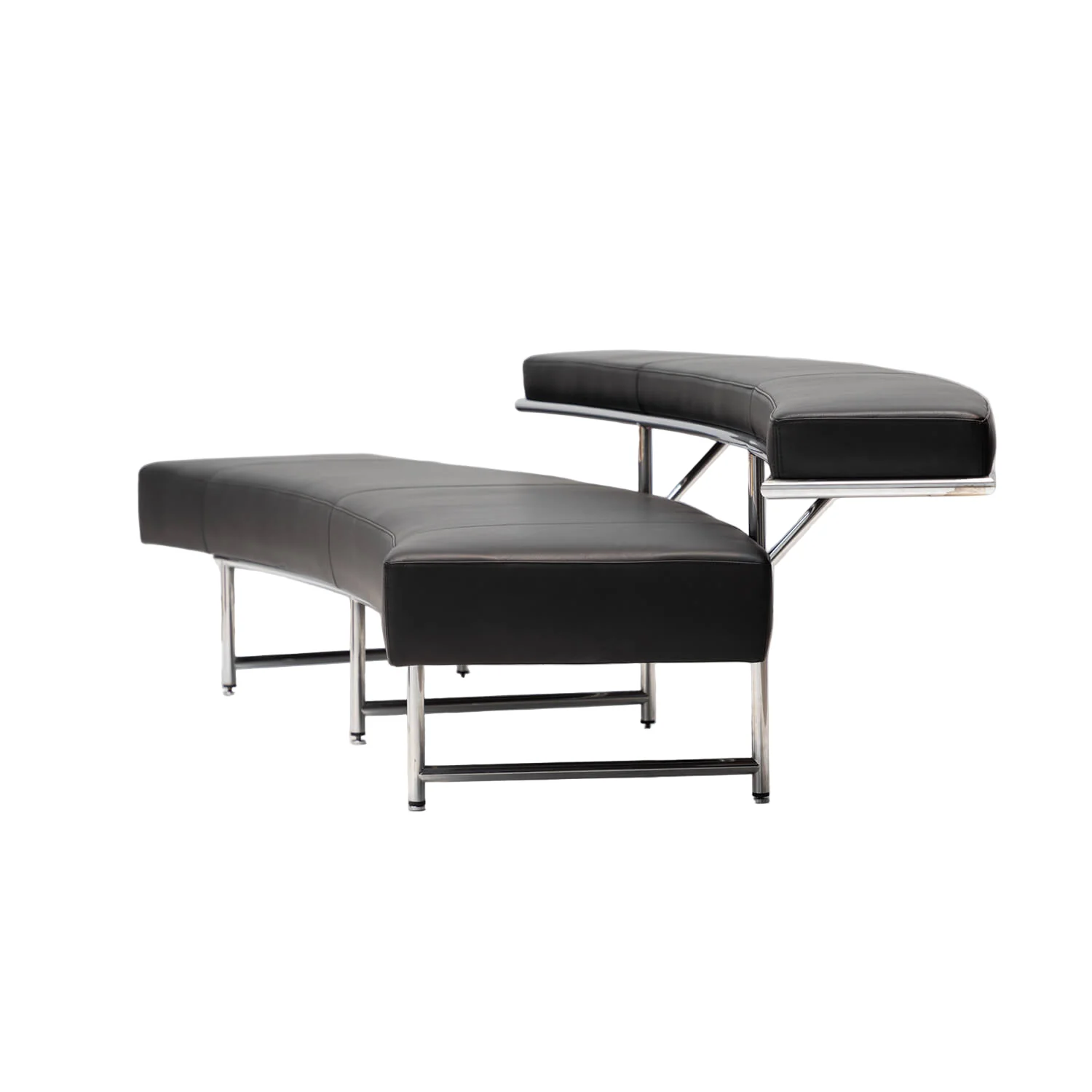
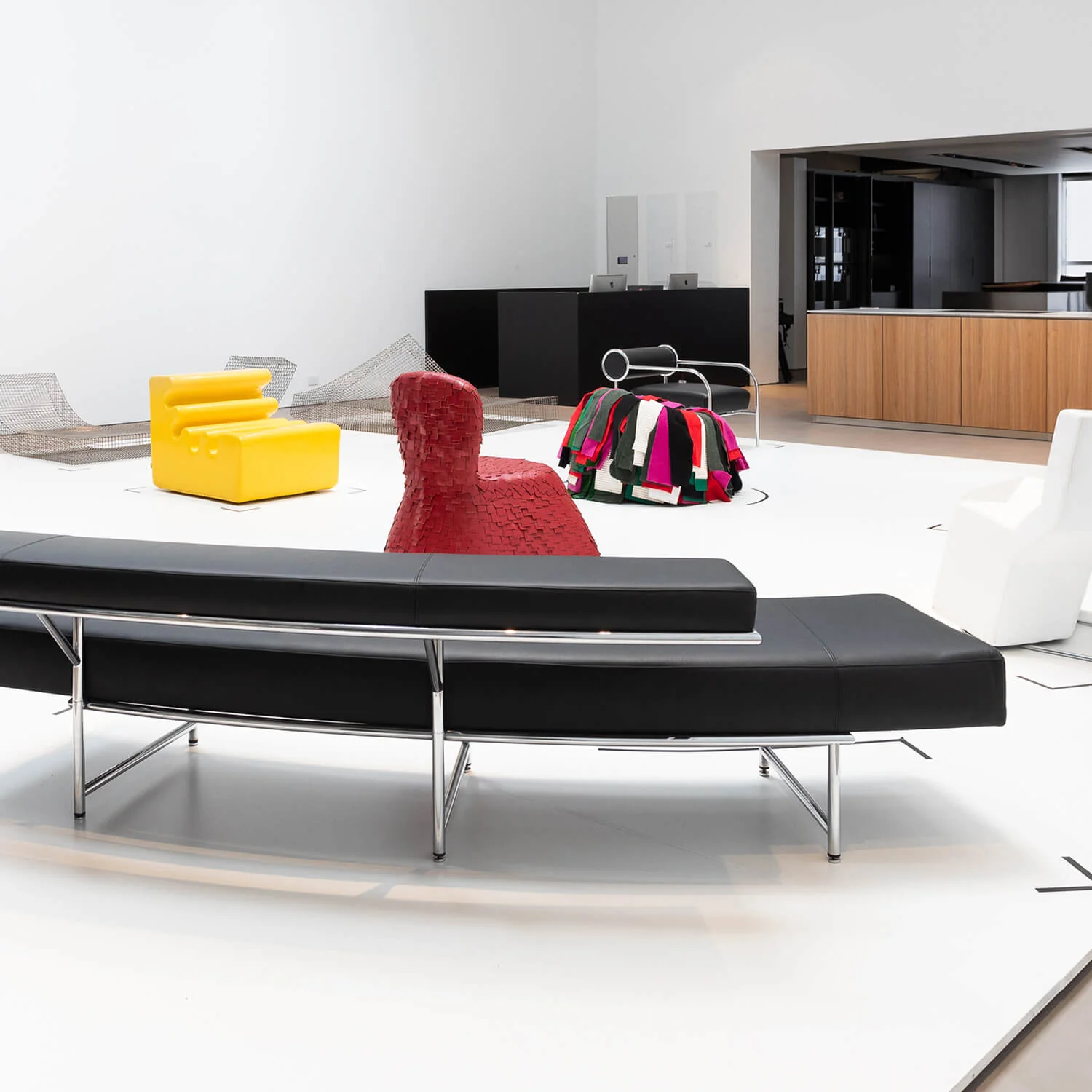
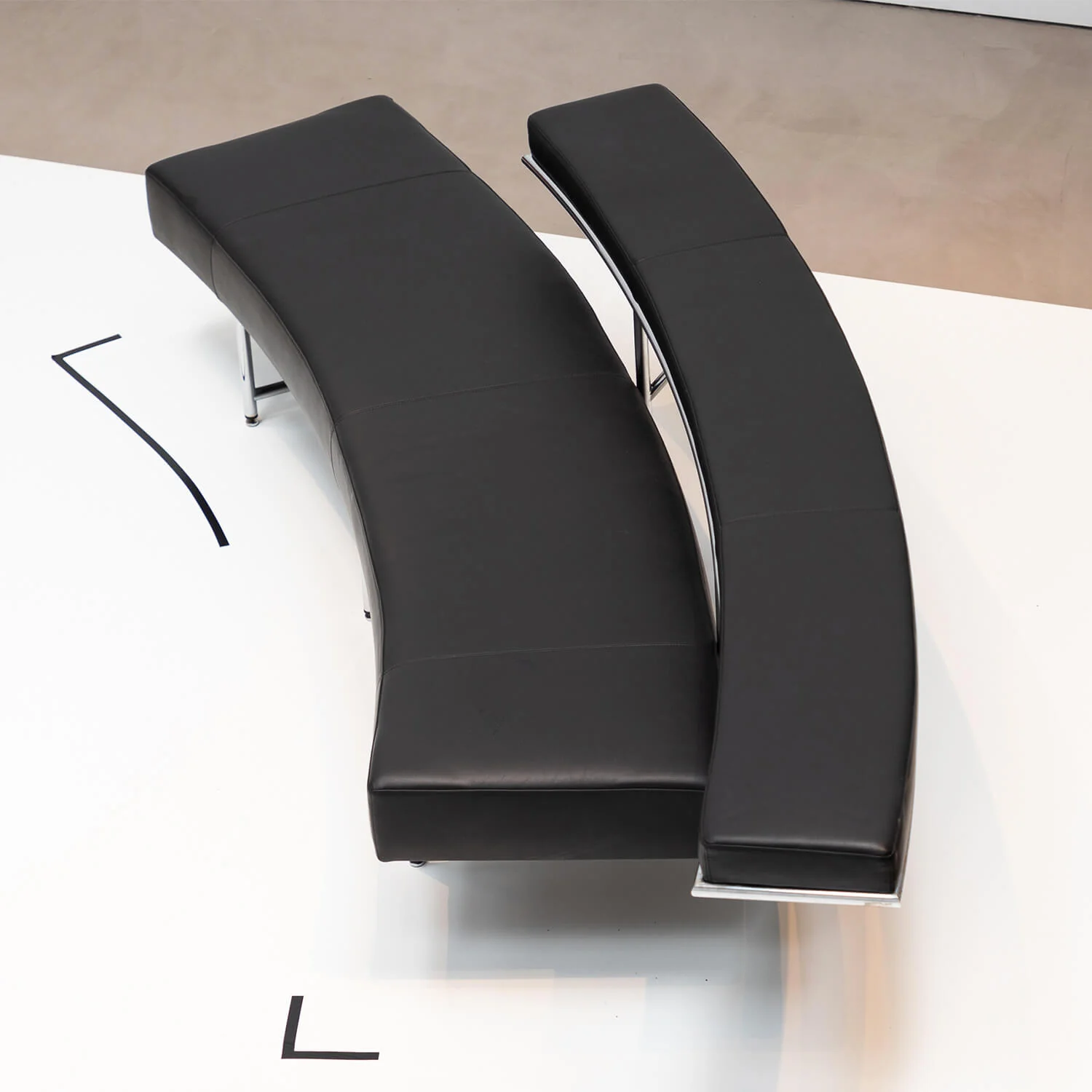
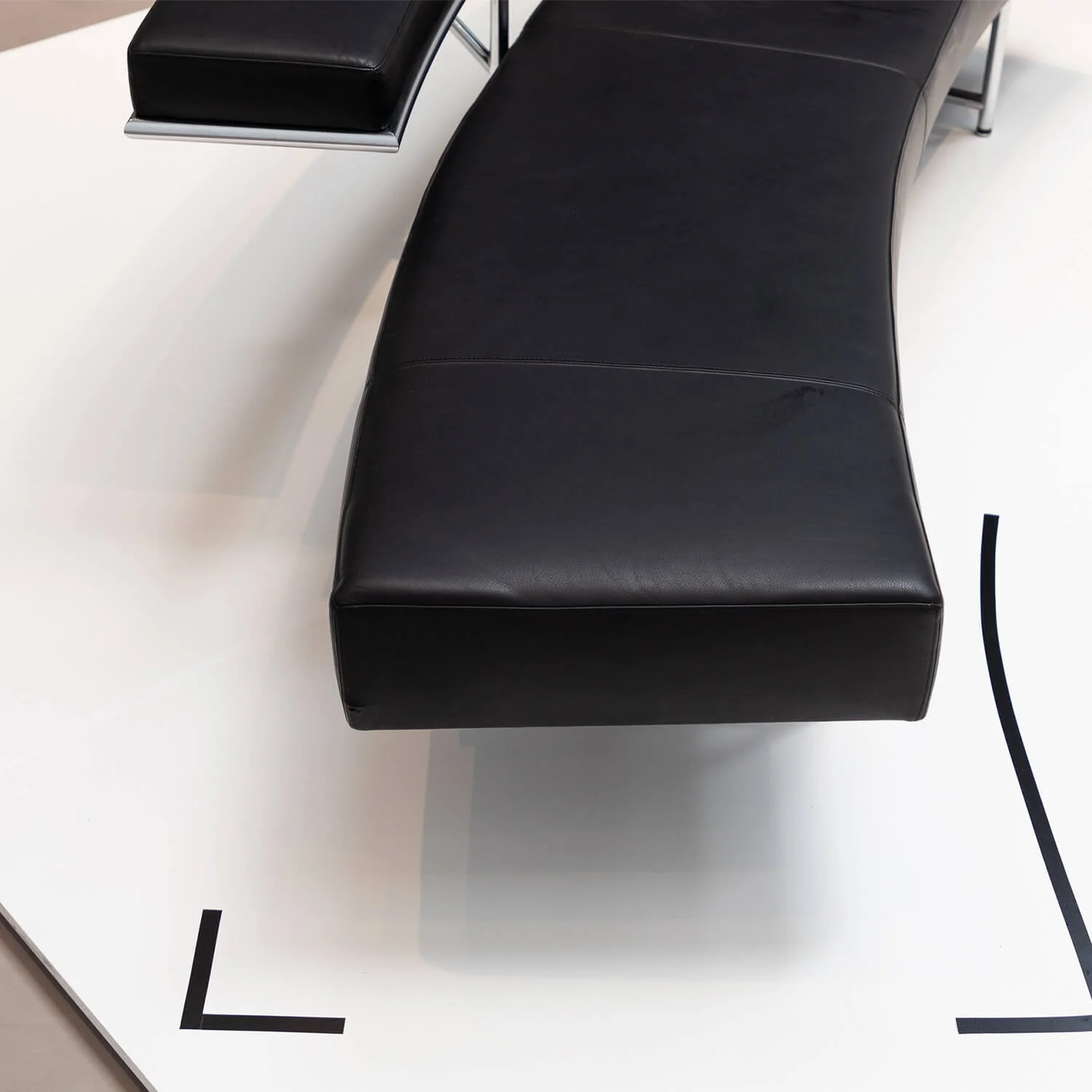
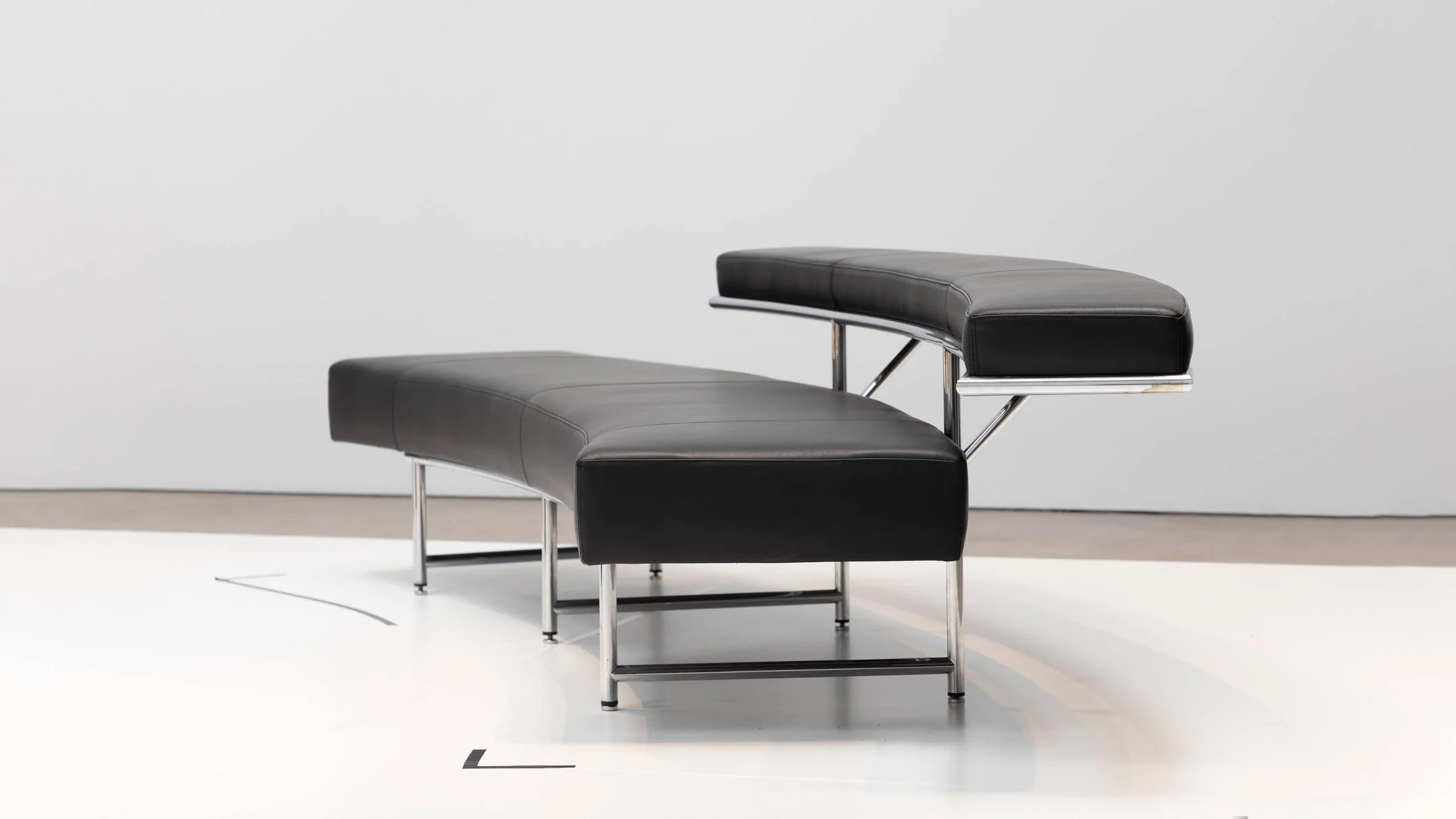
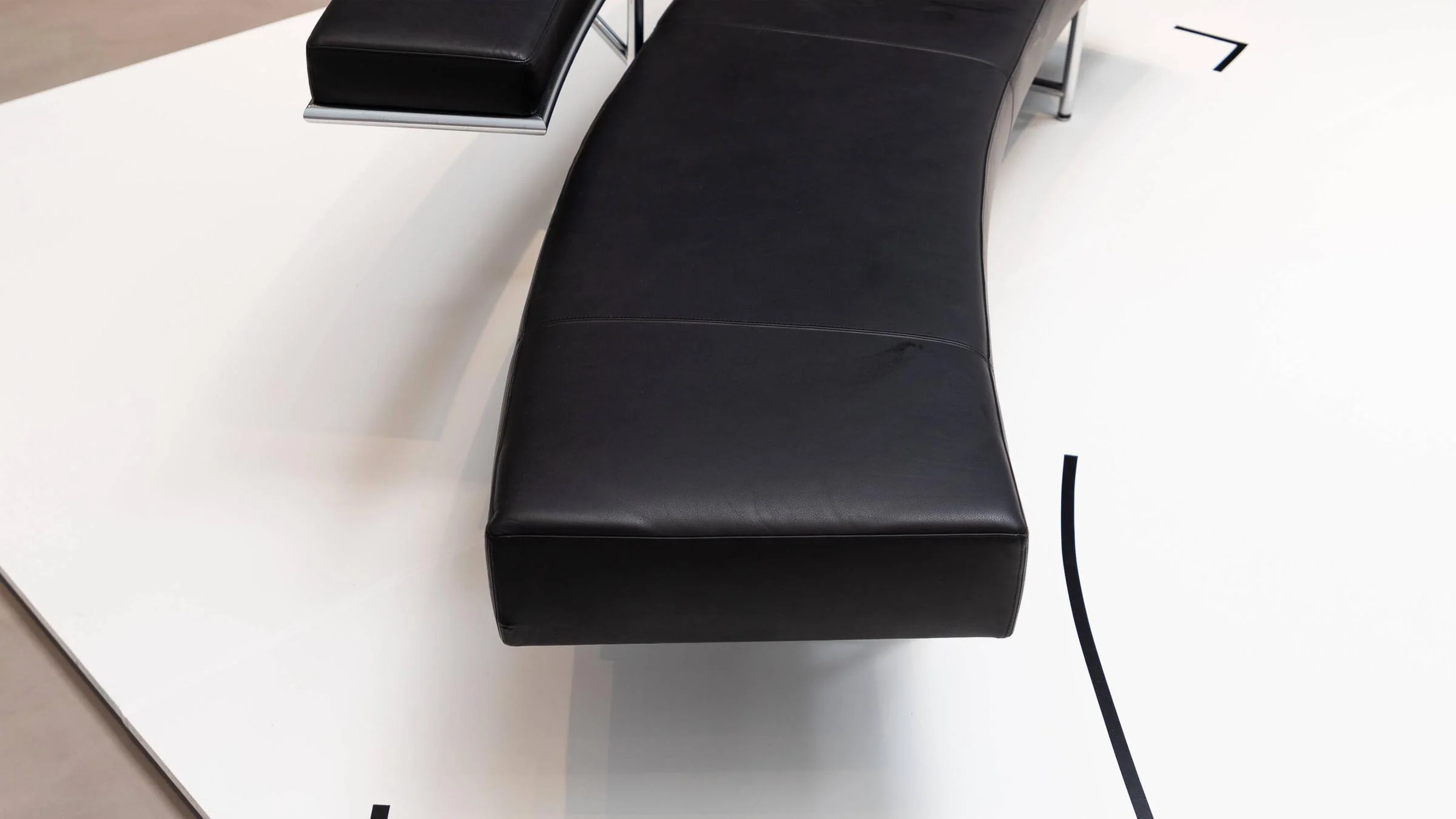
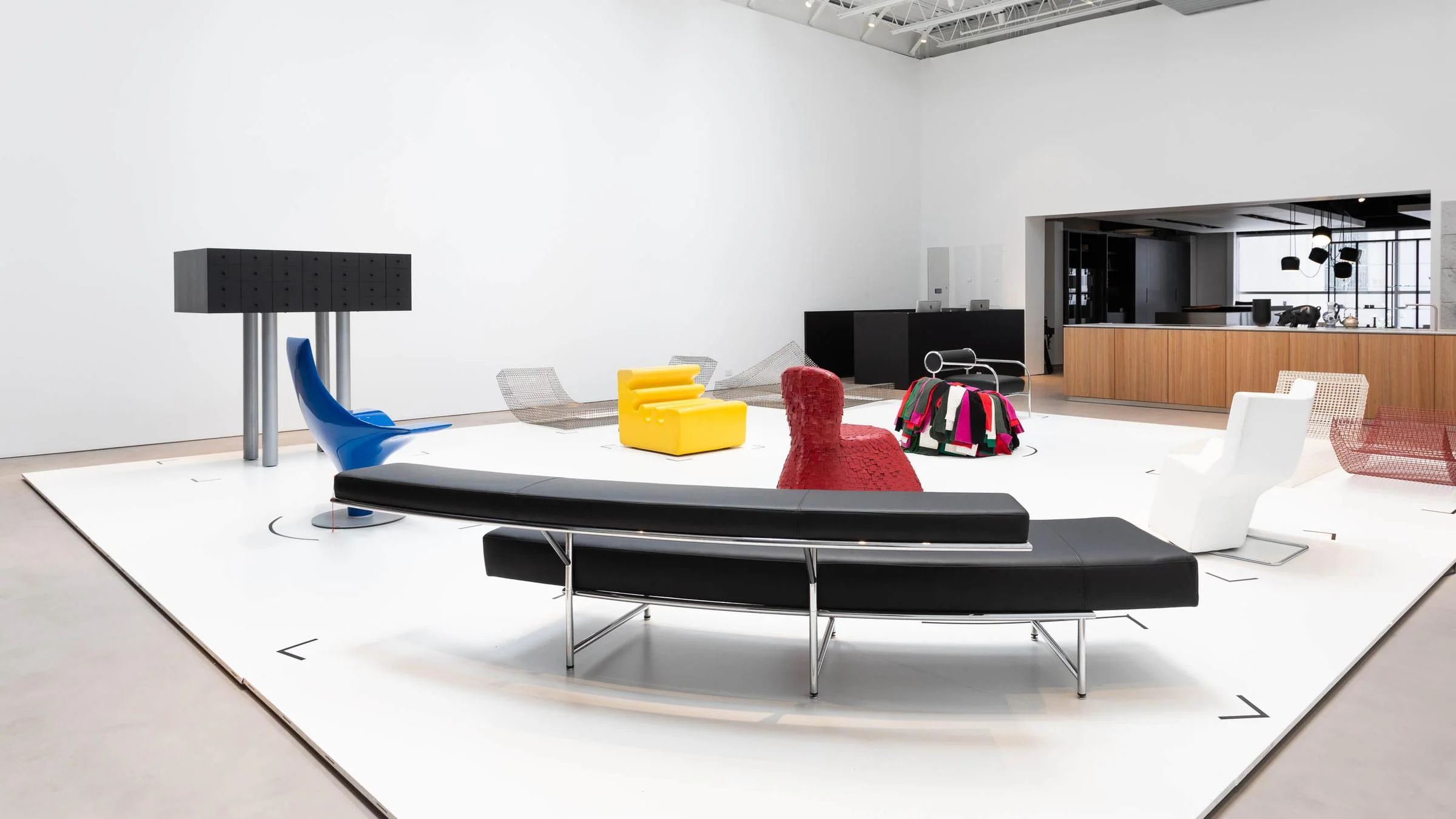
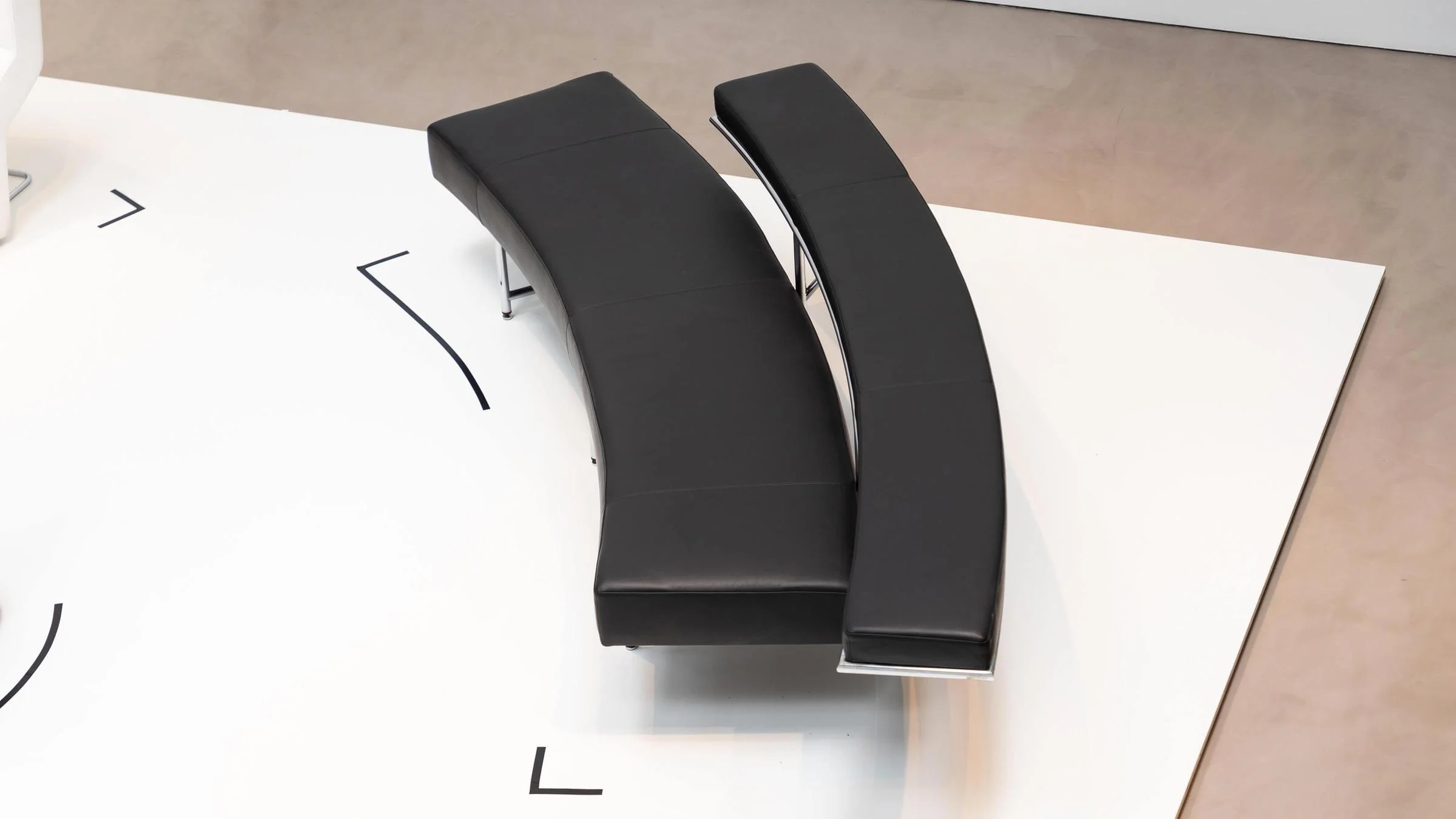
Designed in 1929 for the Villa E.1027 at Roquebrune-Cap-Martin, the Monte Carlo Sofa was never intended for production. Eileen Gray conceived it for her own residence, a house she built on the French Riviera as both architectural statement and personal refuge. That origin is legible in every detail: the continuous serpentine curve is not a formal exercise but a considered response to how people actually inhabit a room together.
Gray occupied a singular position in the European avant-garde. Trained as a lacquer artist in London and Paris, she absorbed the spatial logic of De Stijl and the discipline of the Bauhaus while refusing alignment with any single doctrine. Her furniture exists in its own category, neither strictly rationalist nor overtly decorative.
- Originally designed for Villa E.1027, Gray's own residence on the French Riviera
- Sweeping curved silhouette choreographs posture and conversation in equal measure
- Reissued by Classicon with fidelity to Gray's original proportions and sensibility
- Available in a range of upholstery options that honor the form's quiet authority
The Monte Carlo holds its place in design history not through provenance alone, but because the form continues to work - spatially, socially, and visually - in contemporary interiors.
Original: $17,501.00
-65%$17,501.00
$6,125.35More Images
Monte Carlo Sofa
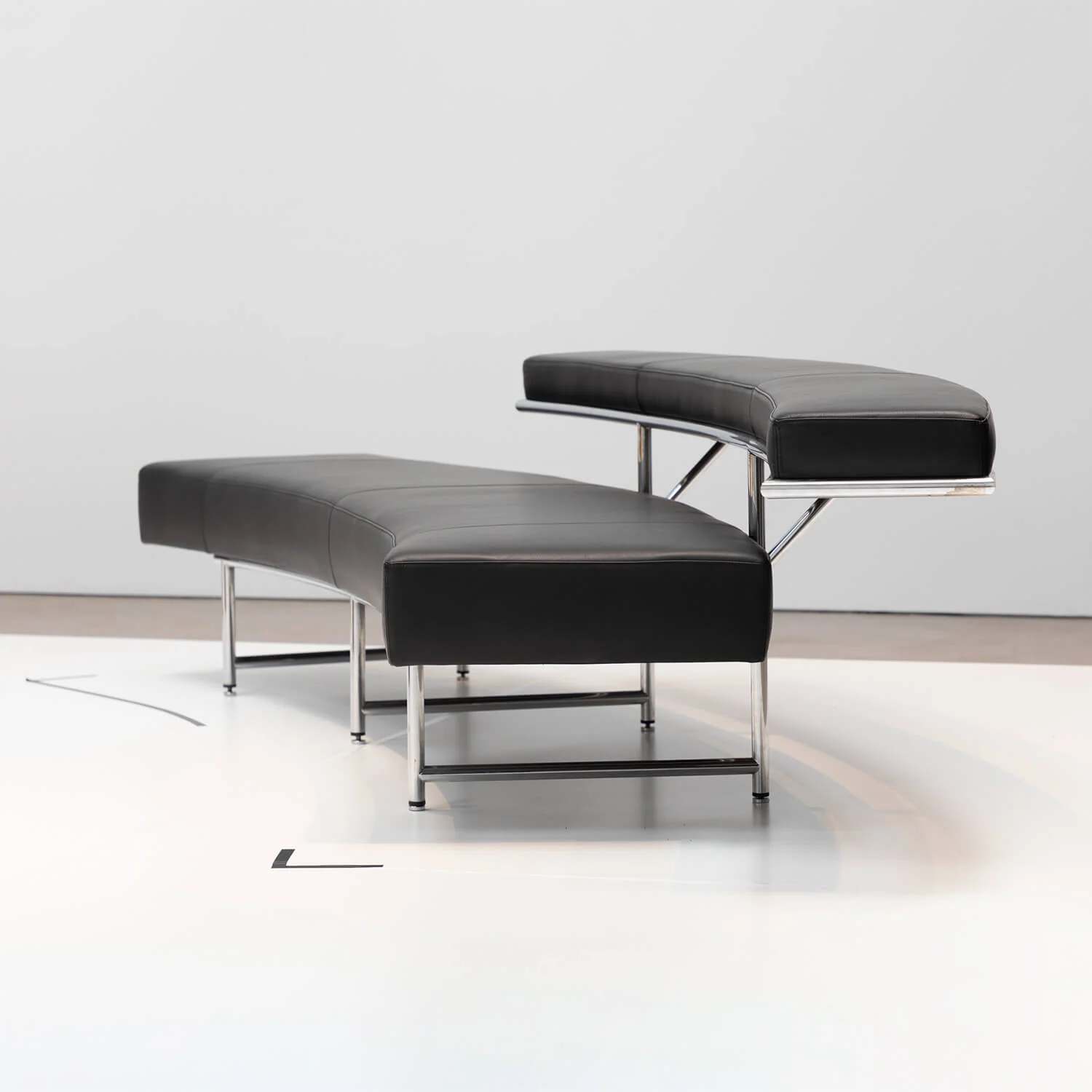
Designed in 1929 for the Villa E.1027 at Roquebrune-Cap-Martin, the Monte Carlo Sofa was never intended for production. Eileen Gray conceived it for her own residence, a house she built on the French Riviera as both architectural statement and personal refuge. That origin is legible in every detail: the continuous serpentine curve is not a formal exercise but a considered response to how people actually inhabit a room together.
Gray occupied a singular position in the European avant-garde. Trained as a lacquer artist in London and Paris, she absorbed the spatial logic of De Stijl and the discipline of the Bauhaus while refusing alignment with any single doctrine. Her furniture exists in its own category, neither strictly rationalist nor overtly decorative.
- Originally designed for Villa E.1027, Gray's own residence on the French Riviera
- Sweeping curved silhouette choreographs posture and conversation in equal measure
- Reissued by Classicon with fidelity to Gray's original proportions and sensibility
- Available in a range of upholstery options that honor the form's quiet authority
The Monte Carlo holds its place in design history not through provenance alone, but because the form continues to work - spatially, socially, and visually - in contemporary interiors.
Product Information
Product Information
Shipping & Returns
Shipping & Returns
Description
Designed in 1929 for the Villa E.1027 at Roquebrune-Cap-Martin, the Monte Carlo Sofa was never intended for production. Eileen Gray conceived it for her own residence, a house she built on the French Riviera as both architectural statement and personal refuge. That origin is legible in every detail: the continuous serpentine curve is not a formal exercise but a considered response to how people actually inhabit a room together.
Gray occupied a singular position in the European avant-garde. Trained as a lacquer artist in London and Paris, she absorbed the spatial logic of De Stijl and the discipline of the Bauhaus while refusing alignment with any single doctrine. Her furniture exists in its own category, neither strictly rationalist nor overtly decorative.
- Originally designed for Villa E.1027, Gray's own residence on the French Riviera
- Sweeping curved silhouette choreographs posture and conversation in equal measure
- Reissued by Classicon with fidelity to Gray's original proportions and sensibility
- Available in a range of upholstery options that honor the form's quiet authority
The Monte Carlo holds its place in design history not through provenance alone, but because the form continues to work - spatially, socially, and visually - in contemporary interiors.