Mono-A Flatware
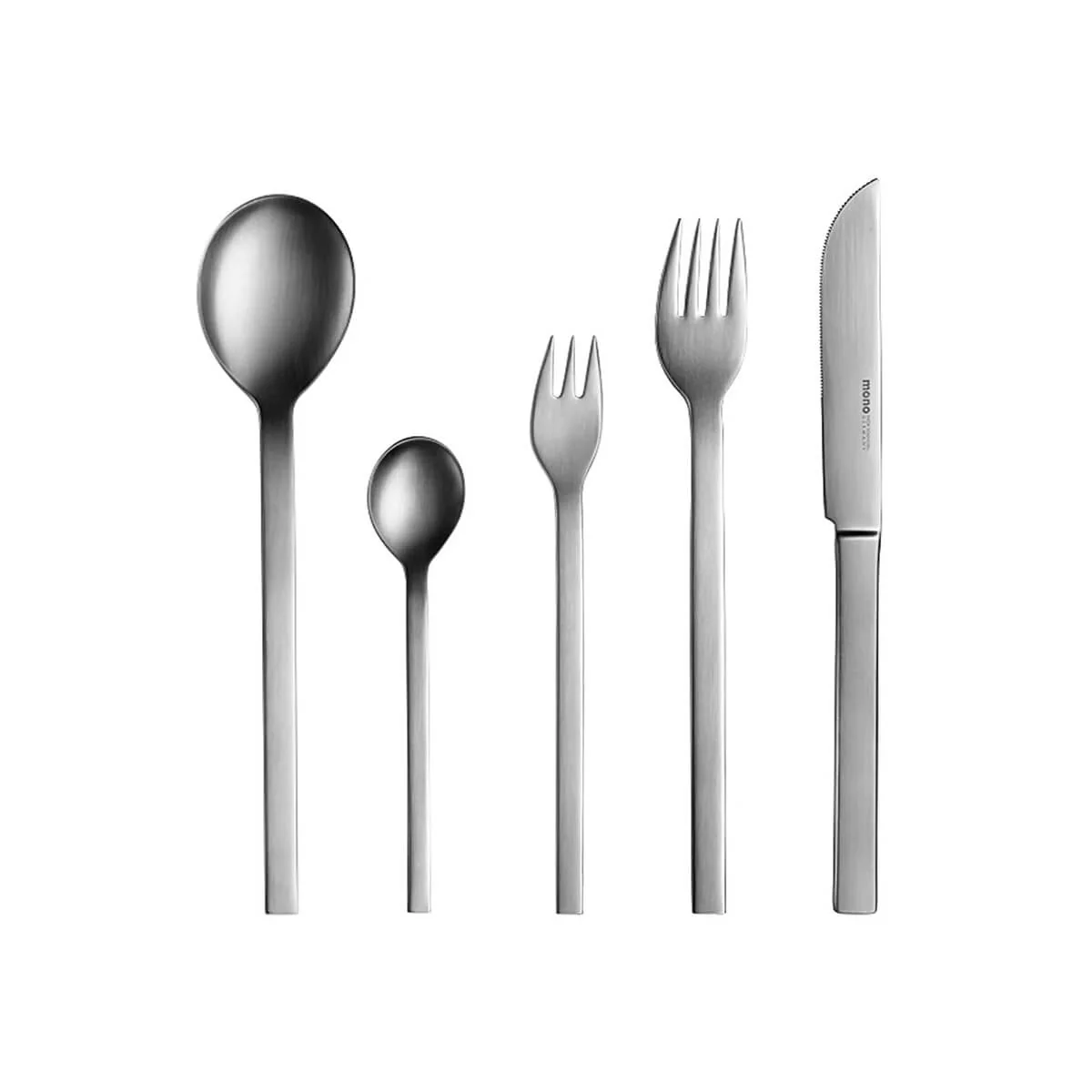
In 1959, Professor Peter Raacke introduced Mono-A and changed the language of flatware design entirely. Where the postwar table had been governed by ornament and inherited tradition, Raacke stripped the object down to its governing idea: the handle and the implement as a single, uninterrupted thought.
No surface decoration. No historical reference. Only proportion and weight, calibrated to the hand. The result was not minimalism as a style but as a conviction, and the design world recognized it immediately with domestic and international awards.
Mono-A remains the best-selling German flatware of the postwar period, a distinction earned not through marketing but through the quiet authority of an object that has never needed revision. It is the founding piece of the mono flatware family and the clearest expression of Raacke's design philosophy: that the removal of the unnecessary is its own form of craft.
Original: $225.00
-65%$225.00
$78.75More Images
Mono-A Flatware
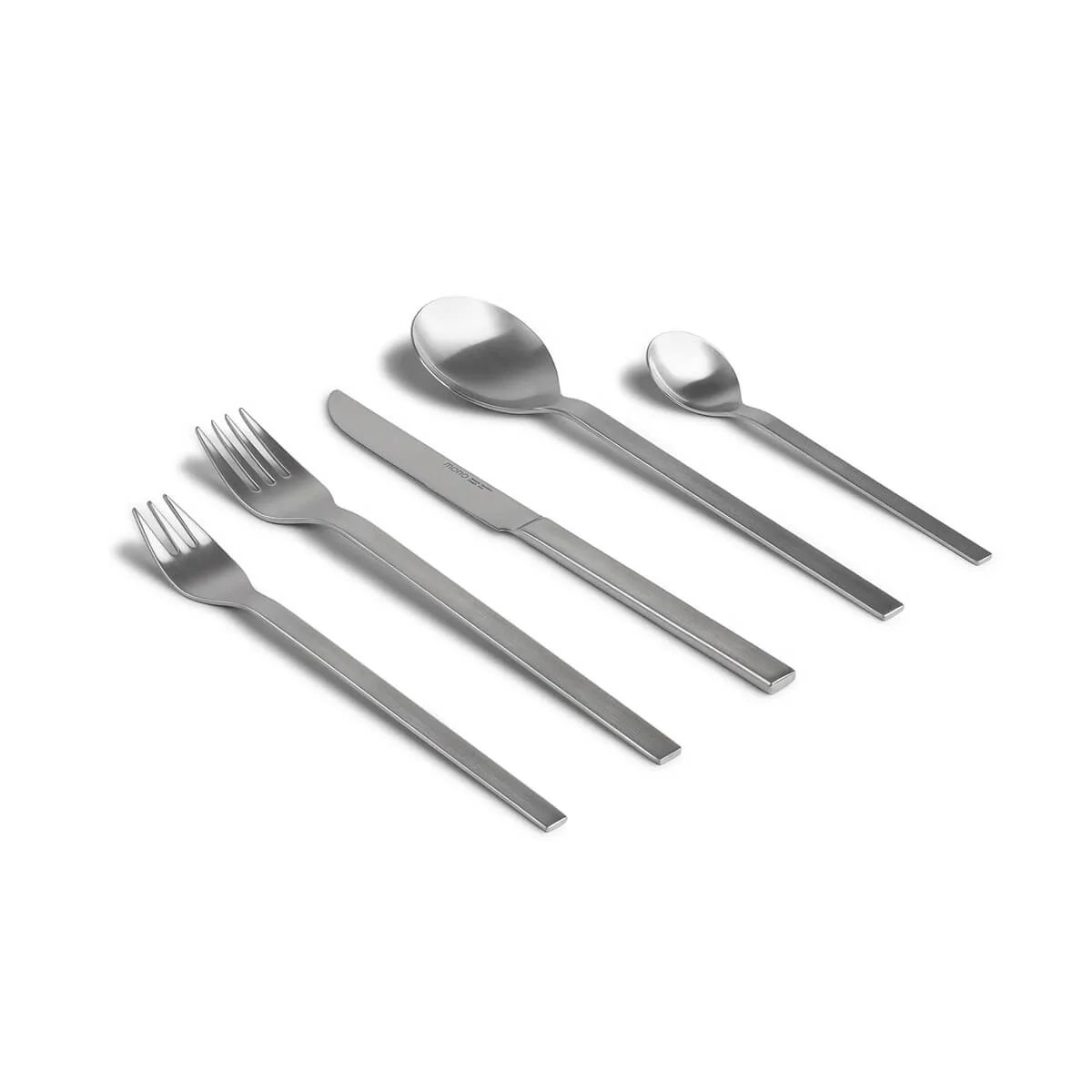
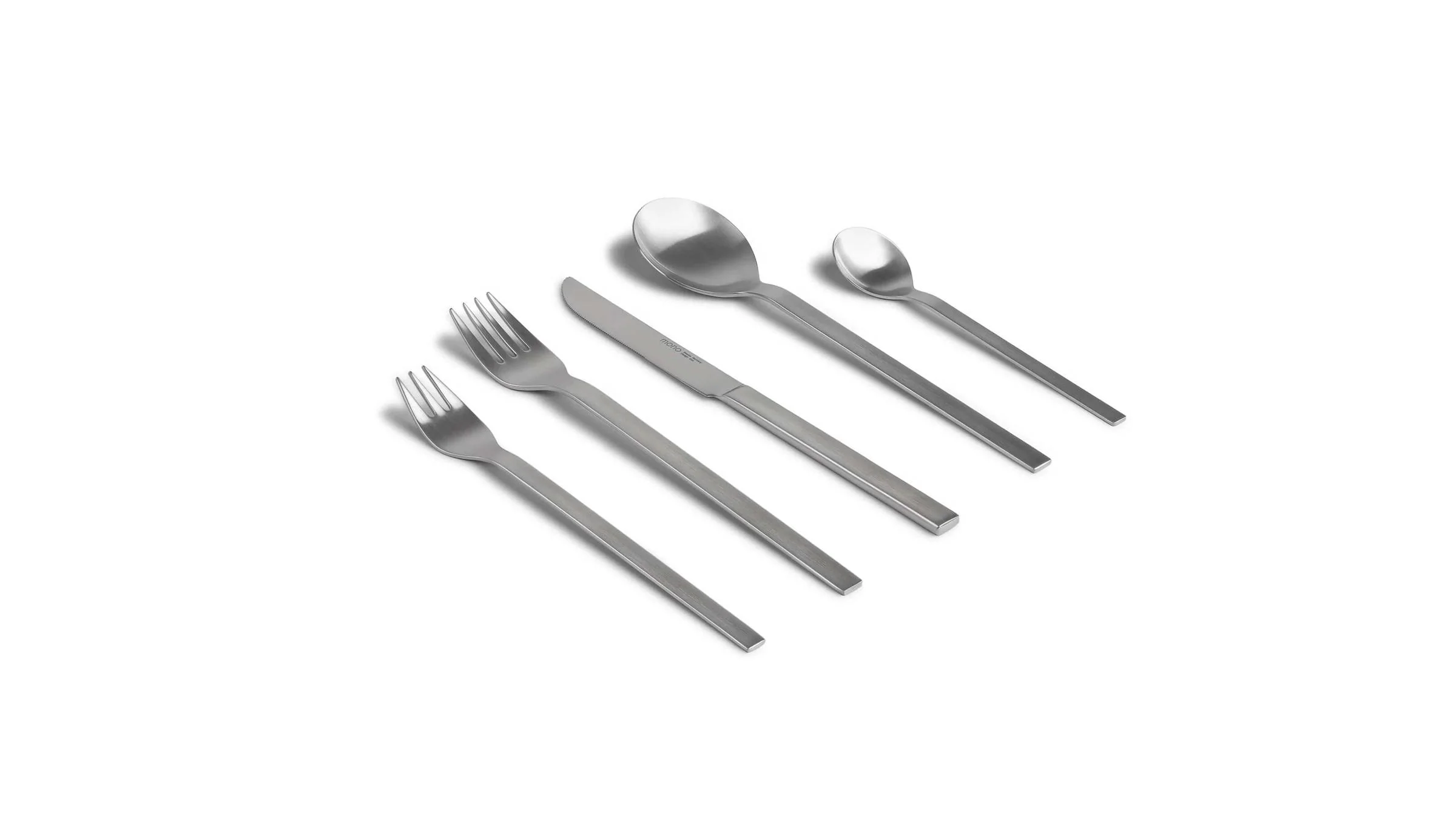
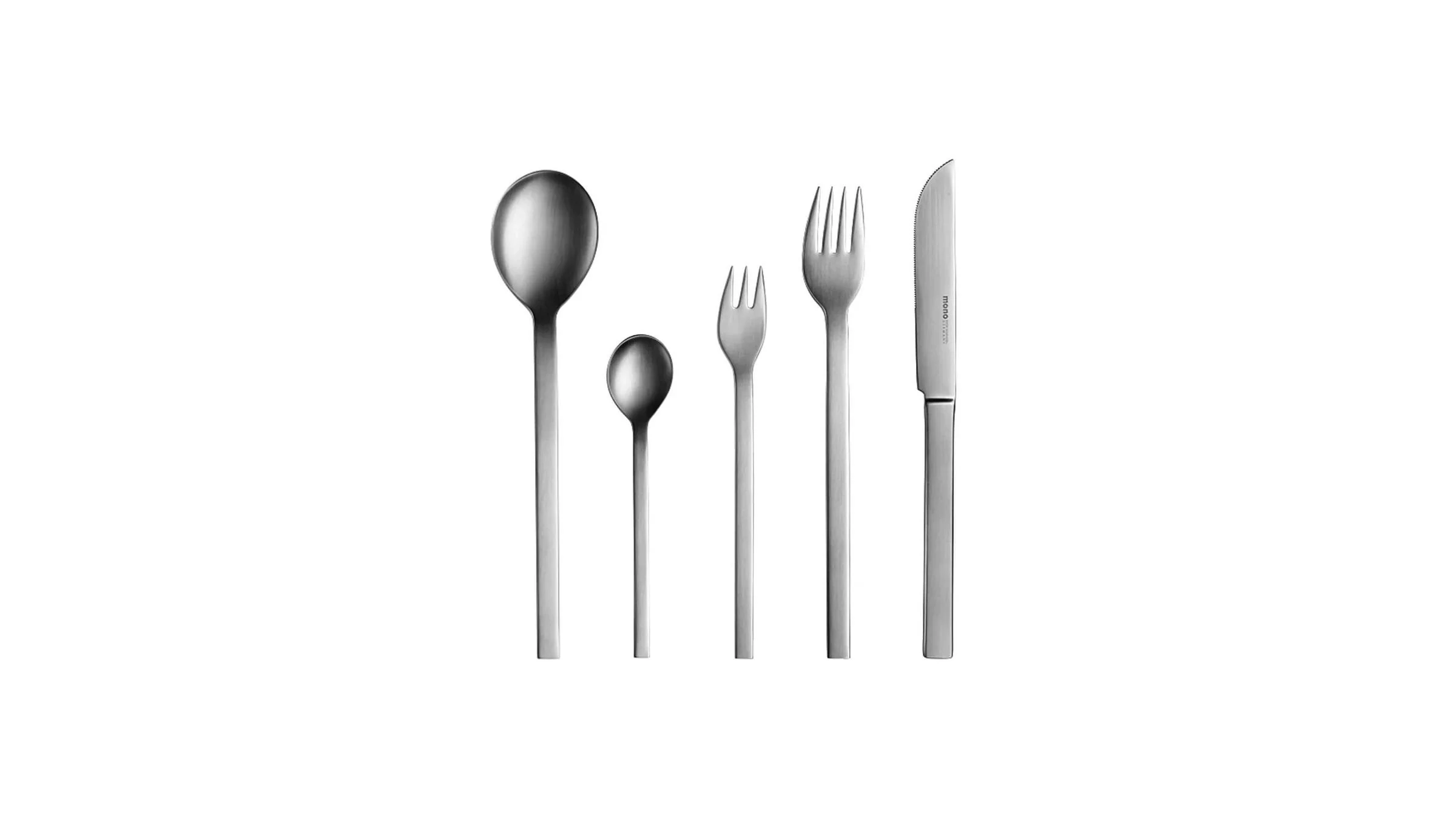
In 1959, Professor Peter Raacke introduced Mono-A and changed the language of flatware design entirely. Where the postwar table had been governed by ornament and inherited tradition, Raacke stripped the object down to its governing idea: the handle and the implement as a single, uninterrupted thought.
No surface decoration. No historical reference. Only proportion and weight, calibrated to the hand. The result was not minimalism as a style but as a conviction, and the design world recognized it immediately with domestic and international awards.
Mono-A remains the best-selling German flatware of the postwar period, a distinction earned not through marketing but through the quiet authority of an object that has never needed revision. It is the founding piece of the mono flatware family and the clearest expression of Raacke's design philosophy: that the removal of the unnecessary is its own form of craft.
Product Information
Product Information
Shipping & Returns
Shipping & Returns
Description
In 1959, Professor Peter Raacke introduced Mono-A and changed the language of flatware design entirely. Where the postwar table had been governed by ornament and inherited tradition, Raacke stripped the object down to its governing idea: the handle and the implement as a single, uninterrupted thought.
No surface decoration. No historical reference. Only proportion and weight, calibrated to the hand. The result was not minimalism as a style but as a conviction, and the design world recognized it immediately with domestic and international awards.
Mono-A remains the best-selling German flatware of the postwar period, a distinction earned not through marketing but through the quiet authority of an object that has never needed revision. It is the founding piece of the mono flatware family and the clearest expression of Raacke's design philosophy: that the removal of the unnecessary is its own form of craft.