LC14 Tabouret Cabanon
In 1952, Le Corbusier built a small cabin on the French Riviera, the Cabanon, furnishing it with nothing that was not necessary. The LC14 Tabouret Cabanon was among those chosen objects: a compact, box-like form whose every dimension was derived from the Modulor, Le Corbusier's own system of measurement rooted in human proportion.
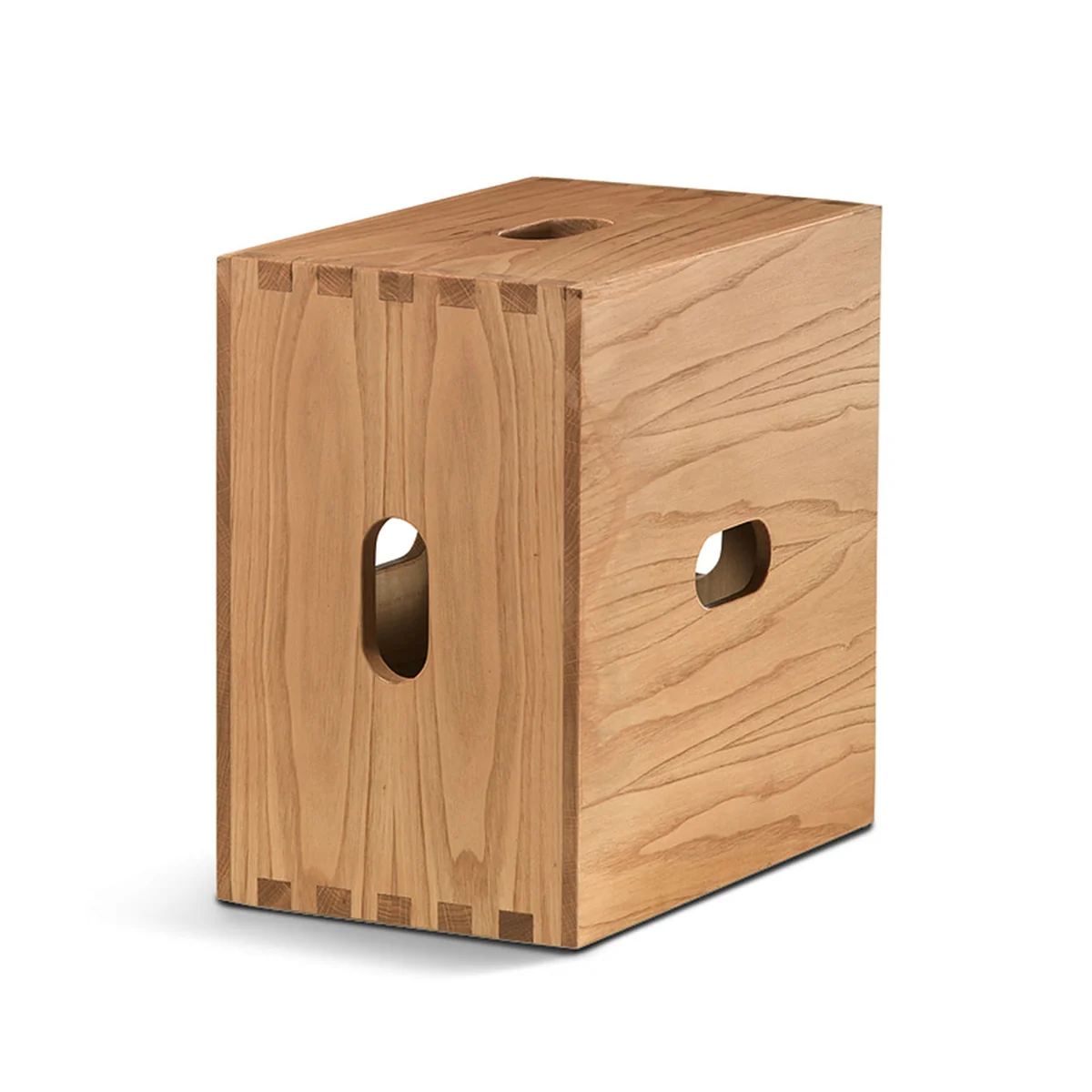
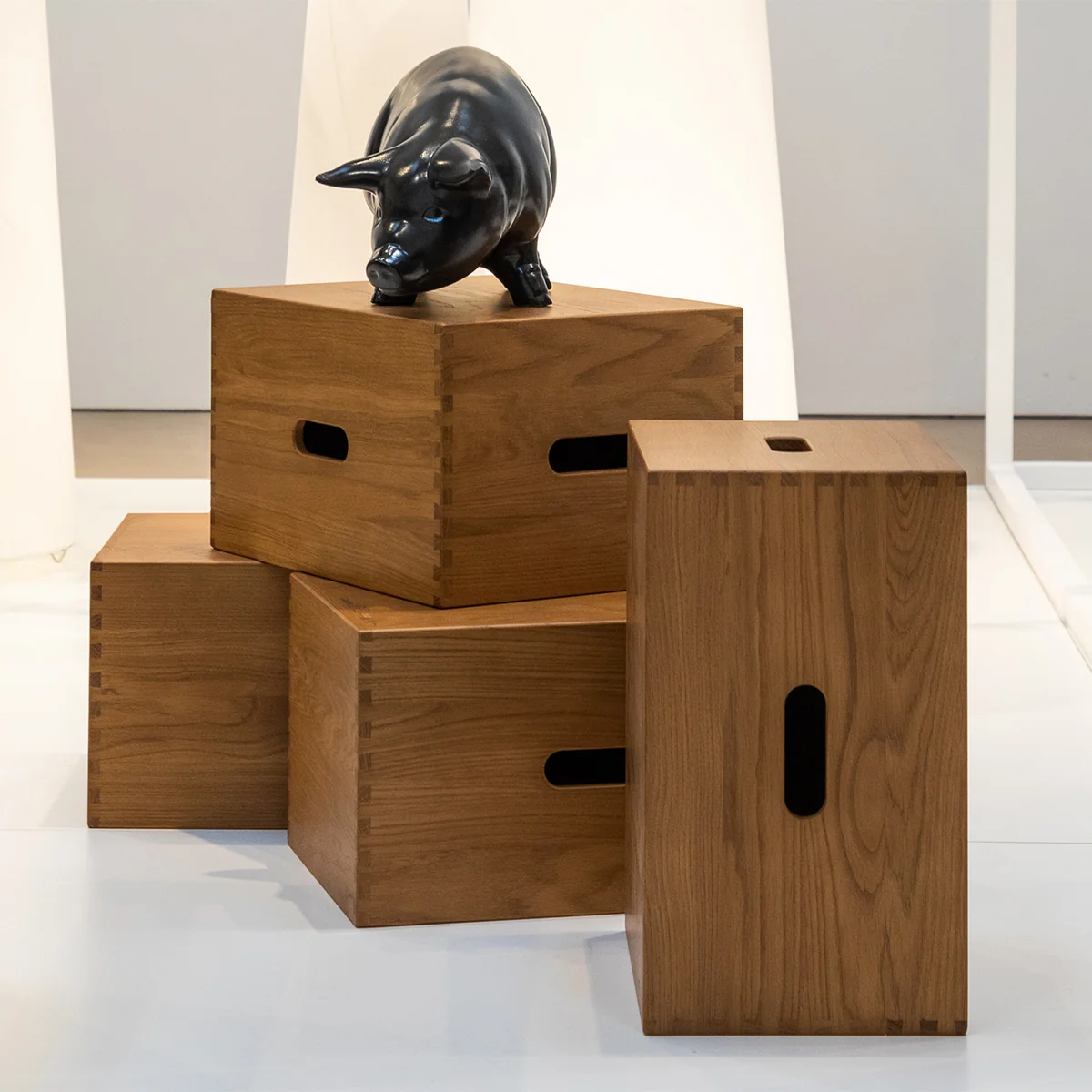
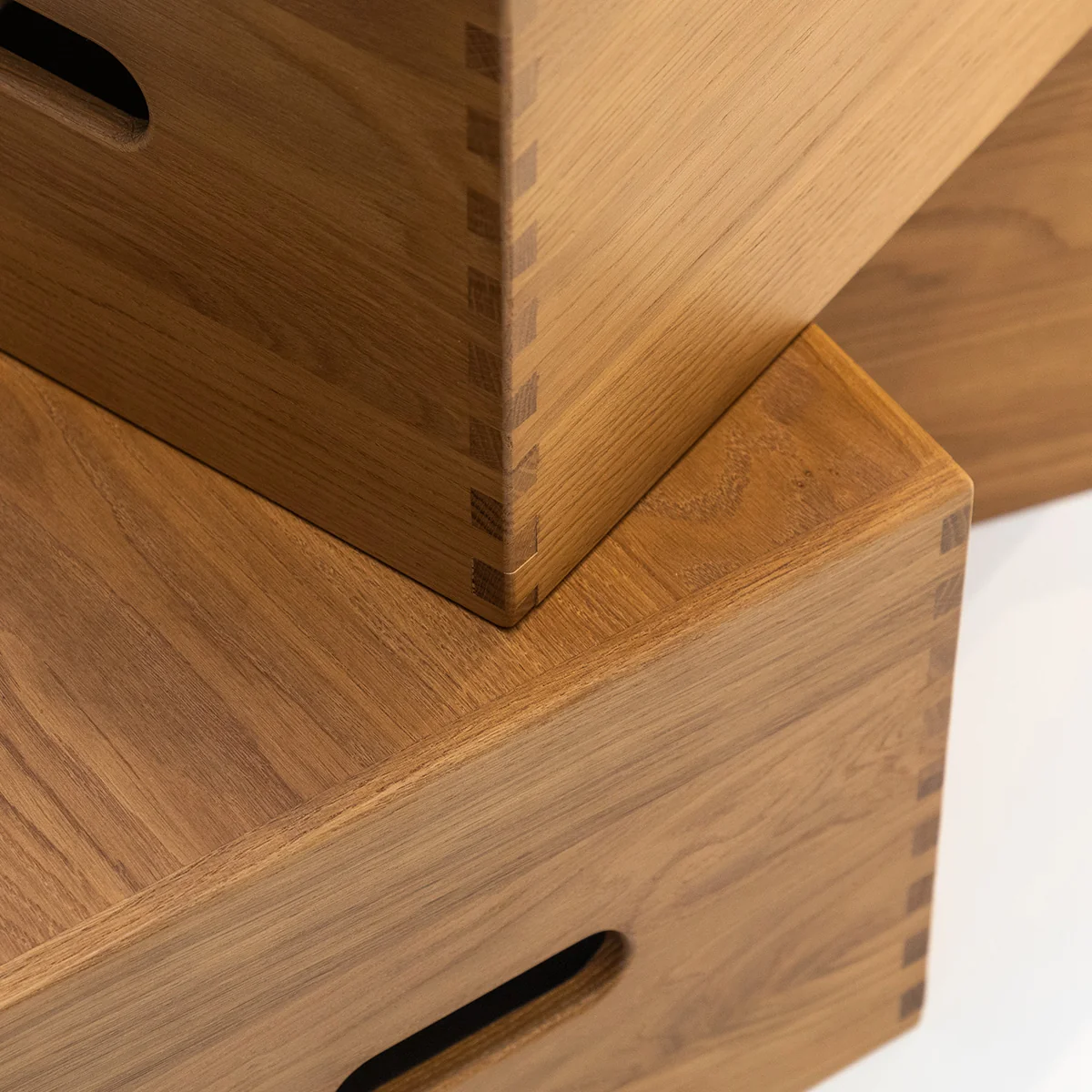
Reissued by Cassina as part of its I Maestri collection, the LC14 is crafted from solid oak or solid mahogany. Its exposed dovetail joinery is not decorative detail but structure made visible, each joint a record of the hand and the logic behind it. The construction carries no excess.
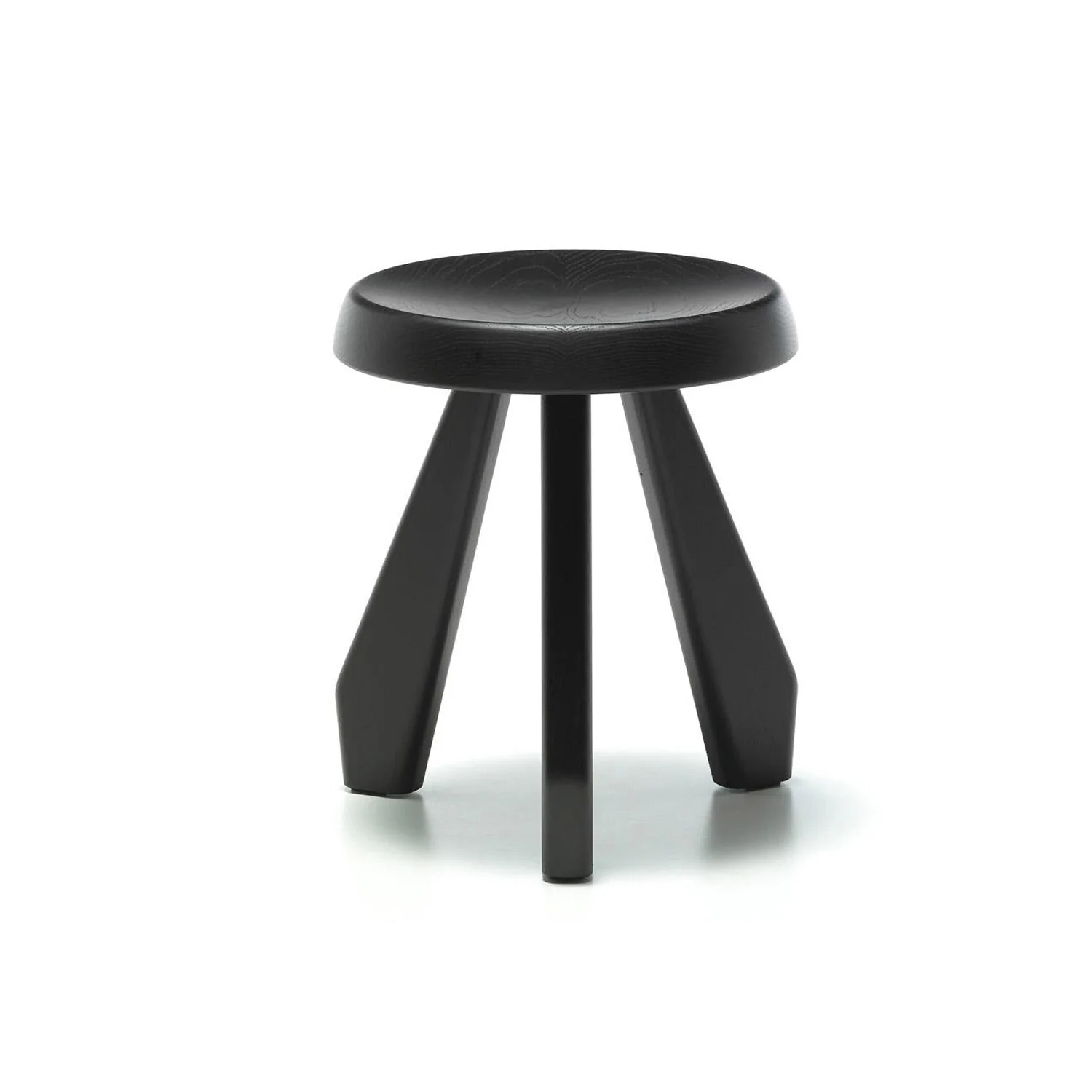
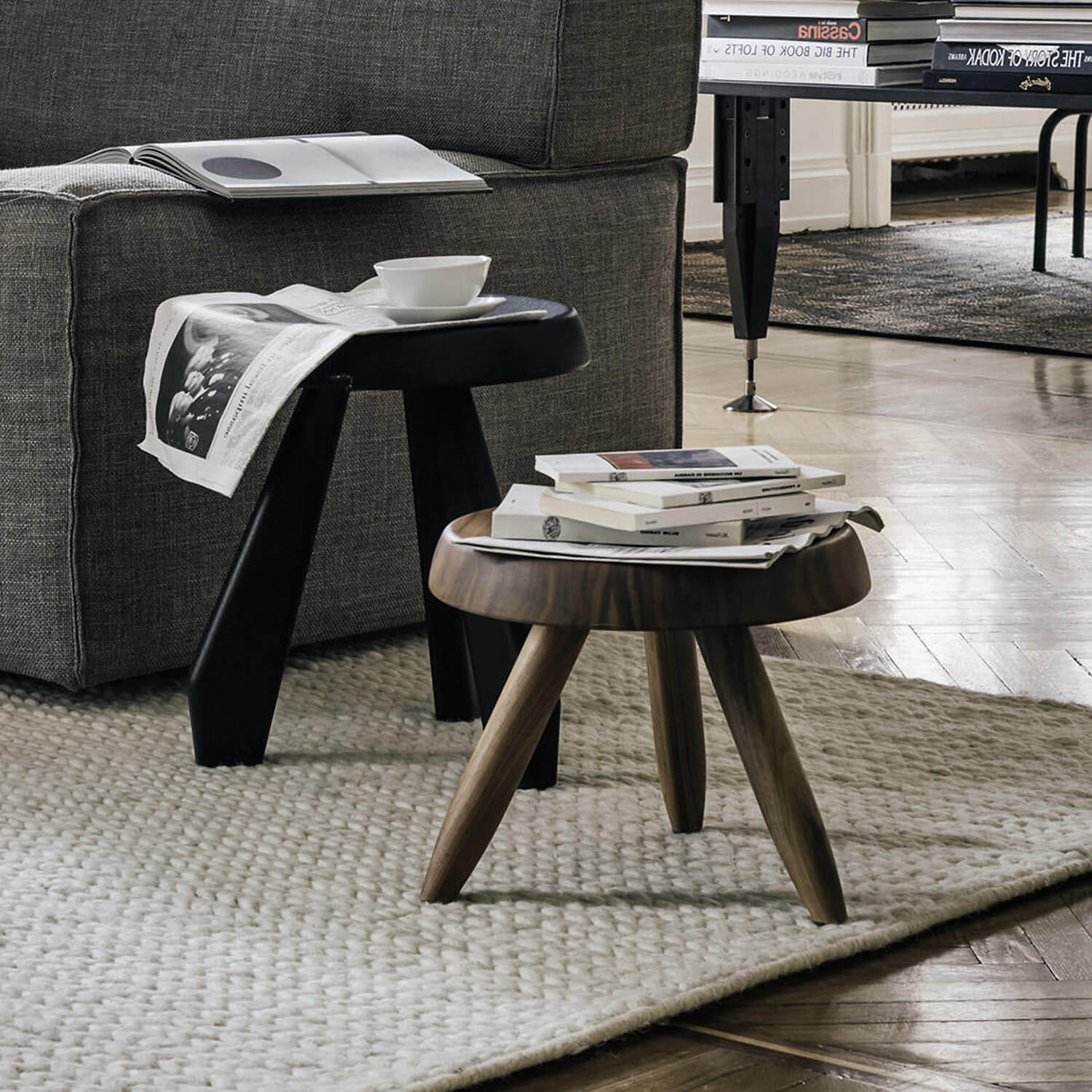
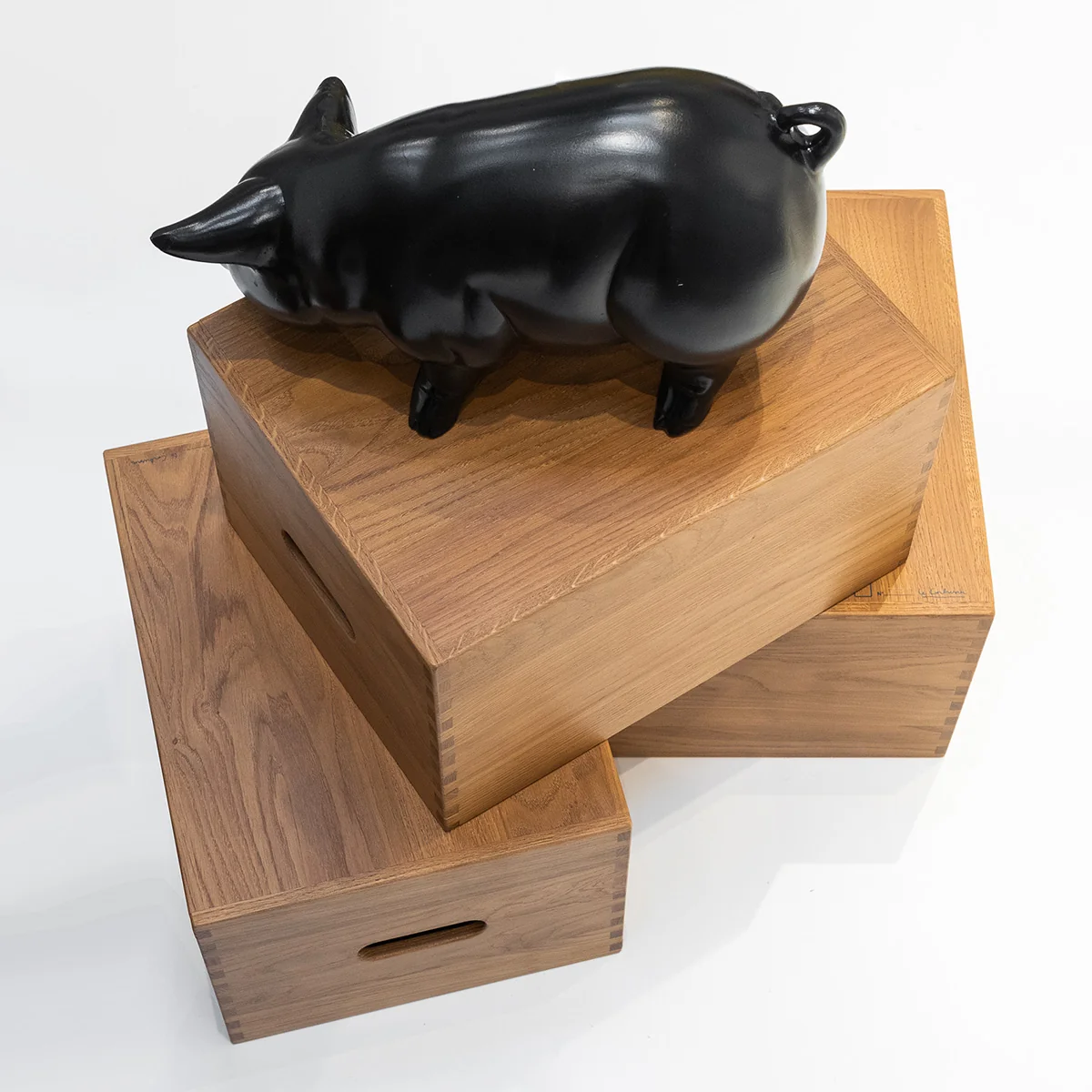
The piece functions equally as a seat, a side table, or a sculptural object. Its identity shifts with placement, yet its geometry remains completely resolved. This is architecture at the scale of the hand.
More Images
LC14 Tabouret Cabanon
In 1952, Le Corbusier built a small cabin on the French Riviera, the Cabanon, furnishing it with nothing that was not necessary. The LC14 Tabouret Cabanon was among those chosen objects: a compact, box-like form whose every dimension was derived from the Modulor, Le Corbusier's own system of measurement rooted in human proportion.
Reissued by Cassina as part of its I Maestri collection, the LC14 is crafted from solid oak or solid mahogany. Its exposed dovetail joinery is not decorative detail but structure made visible, each joint a record of the hand and the logic behind it. The construction carries no excess.
The piece functions equally as a seat, a side table, or a sculptural object. Its identity shifts with placement, yet its geometry remains completely resolved. This is architecture at the scale of the hand.
Product Information
Product Information
Shipping & Returns
Shipping & Returns
Description
In 1952, Le Corbusier built a small cabin on the French Riviera, the Cabanon, furnishing it with nothing that was not necessary. The LC14 Tabouret Cabanon was among those chosen objects: a compact, box-like form whose every dimension was derived from the Modulor, Le Corbusier's own system of measurement rooted in human proportion.
Reissued by Cassina as part of its I Maestri collection, the LC14 is crafted from solid oak or solid mahogany. Its exposed dovetail joinery is not decorative detail but structure made visible, each joint a record of the hand and the logic behind it. The construction carries no excess.
The piece functions equally as a seat, a side table, or a sculptural object. Its identity shifts with placement, yet its geometry remains completely resolved. This is architecture at the scale of the hand.