LC10-p Square Low Table
Conceived in 1929 as part of a systematic study of furniture as built architecture, the LC10-p Square Low Table distills modernist conviction into a single, resolved form. Le Corbusier, Pierre Jeanneret, and Charlotte Perriand approached every piece in their furniture program the way they approached a building: through proportion, structural honesty, and the elimination of anything incidental.
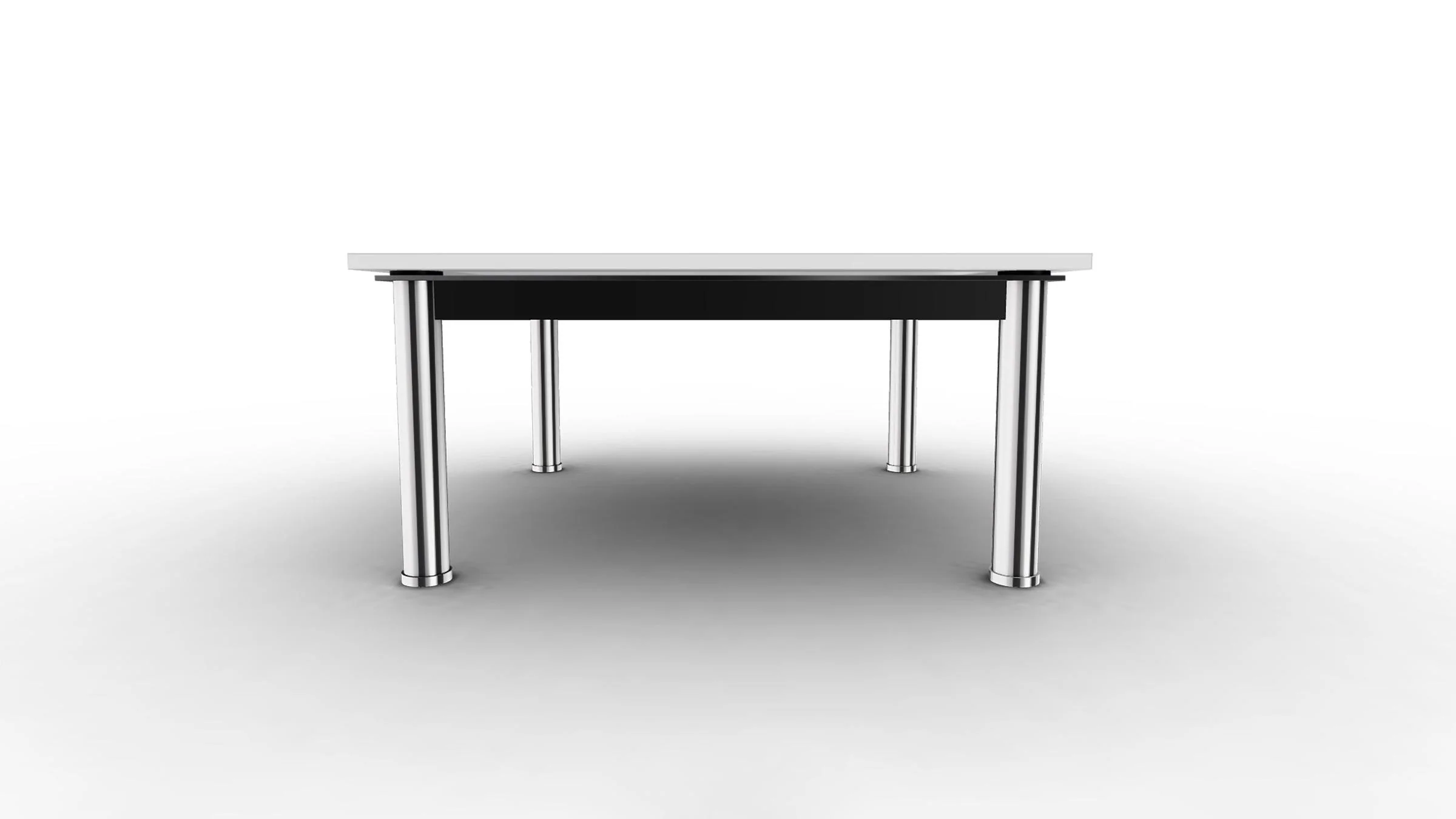
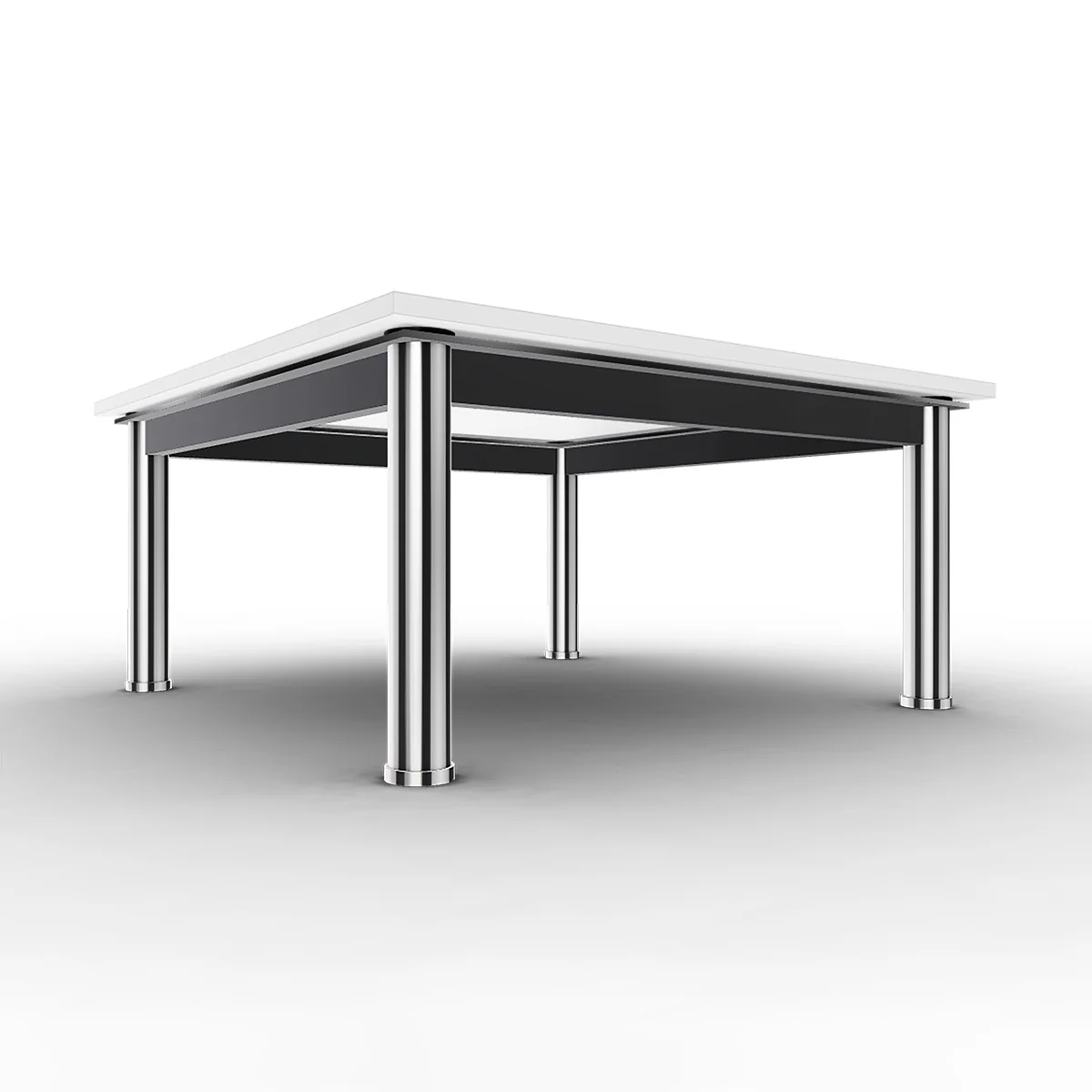
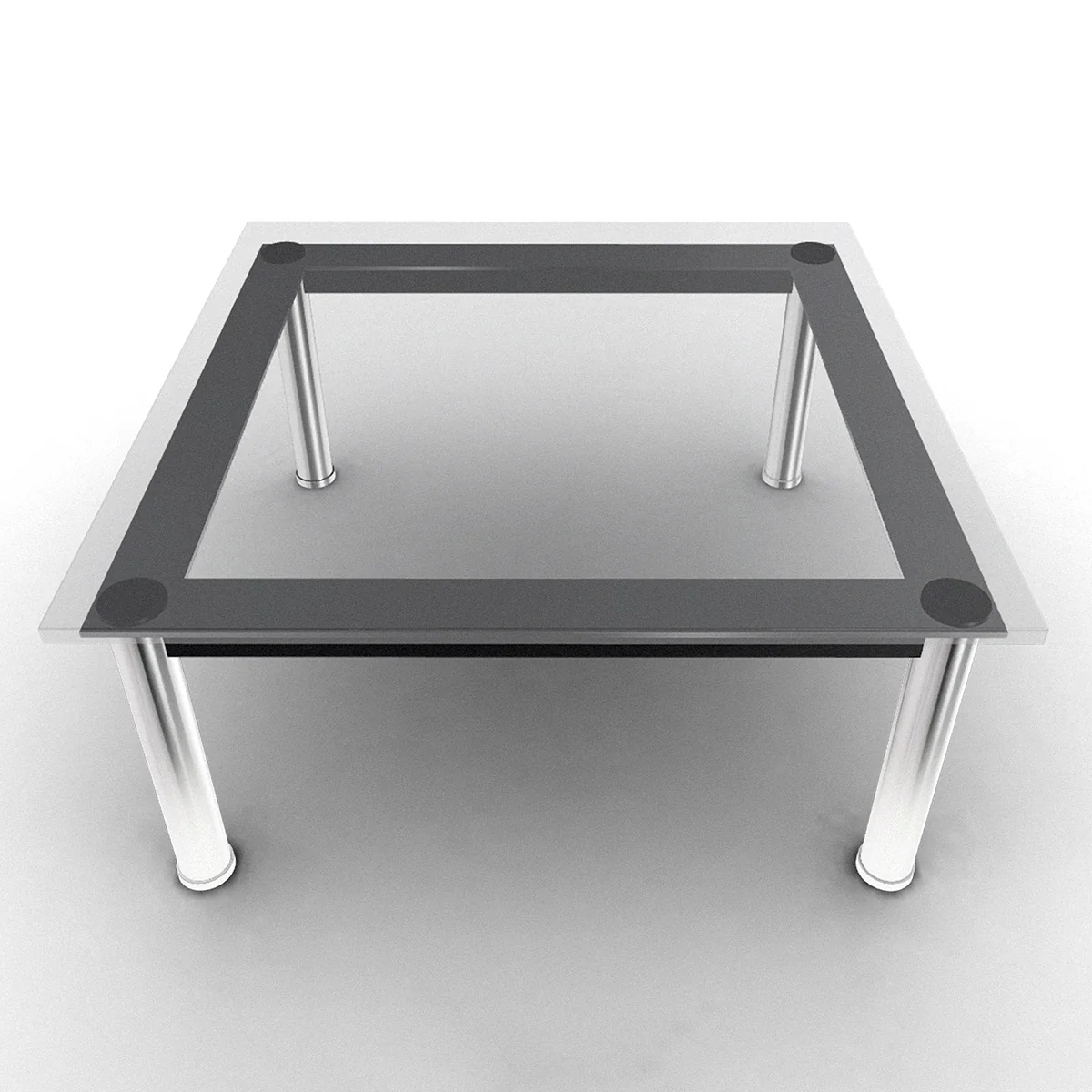
A crystal-clear glass top rests on a frame of slender enameled tubular steel. The relationship between transparency and precision is the design's central gesture. Nothing mediates between the two materials. Nothing decorates the joint. The geometry is absolute.
- Designed 1929, reissued under Cassina's i Maestri collection
- Crystal glass top on an enameled tubular steel base
- Square format conceived for spatial flexibility within a strict geometric language
- Cassina has held the exclusive production license for this collection since 1964, in collaboration with the Fondation Le Corbusier
The square plan, rather than the more common rectangle, enforces a particular discipline in a room. It resists casual placement. It asks the surrounding furniture to respond to it, making it as much a compositional tool as a functional surface.
More Images





LC10-p Square Low Table
Conceived in 1929 as part of a systematic study of furniture as built architecture, the LC10-p Square Low Table distills modernist conviction into a single, resolved form. Le Corbusier, Pierre Jeanneret, and Charlotte Perriand approached every piece in their furniture program the way they approached a building: through proportion, structural honesty, and the elimination of anything incidental.
A crystal-clear glass top rests on a frame of slender enameled tubular steel. The relationship between transparency and precision is the design's central gesture. Nothing mediates between the two materials. Nothing decorates the joint. The geometry is absolute.
- Designed 1929, reissued under Cassina's i Maestri collection
- Crystal glass top on an enameled tubular steel base
- Square format conceived for spatial flexibility within a strict geometric language
- Cassina has held the exclusive production license for this collection since 1964, in collaboration with the Fondation Le Corbusier
The square plan, rather than the more common rectangle, enforces a particular discipline in a room. It resists casual placement. It asks the surrounding furniture to respond to it, making it as much a compositional tool as a functional surface.
Product Information
Product Information
Shipping & Returns
Shipping & Returns
Description
Conceived in 1929 as part of a systematic study of furniture as built architecture, the LC10-p Square Low Table distills modernist conviction into a single, resolved form. Le Corbusier, Pierre Jeanneret, and Charlotte Perriand approached every piece in their furniture program the way they approached a building: through proportion, structural honesty, and the elimination of anything incidental.
A crystal-clear glass top rests on a frame of slender enameled tubular steel. The relationship between transparency and precision is the design's central gesture. Nothing mediates between the two materials. Nothing decorates the joint. The geometry is absolute.
- Designed 1929, reissued under Cassina's i Maestri collection
- Crystal glass top on an enameled tubular steel base
- Square format conceived for spatial flexibility within a strict geometric language
- Cassina has held the exclusive production license for this collection since 1964, in collaboration with the Fondation Le Corbusier
The square plan, rather than the more common rectangle, enforces a particular discipline in a room. It resists casual placement. It asks the surrounding furniture to respond to it, making it as much a compositional tool as a functional surface.