Karelia Chair
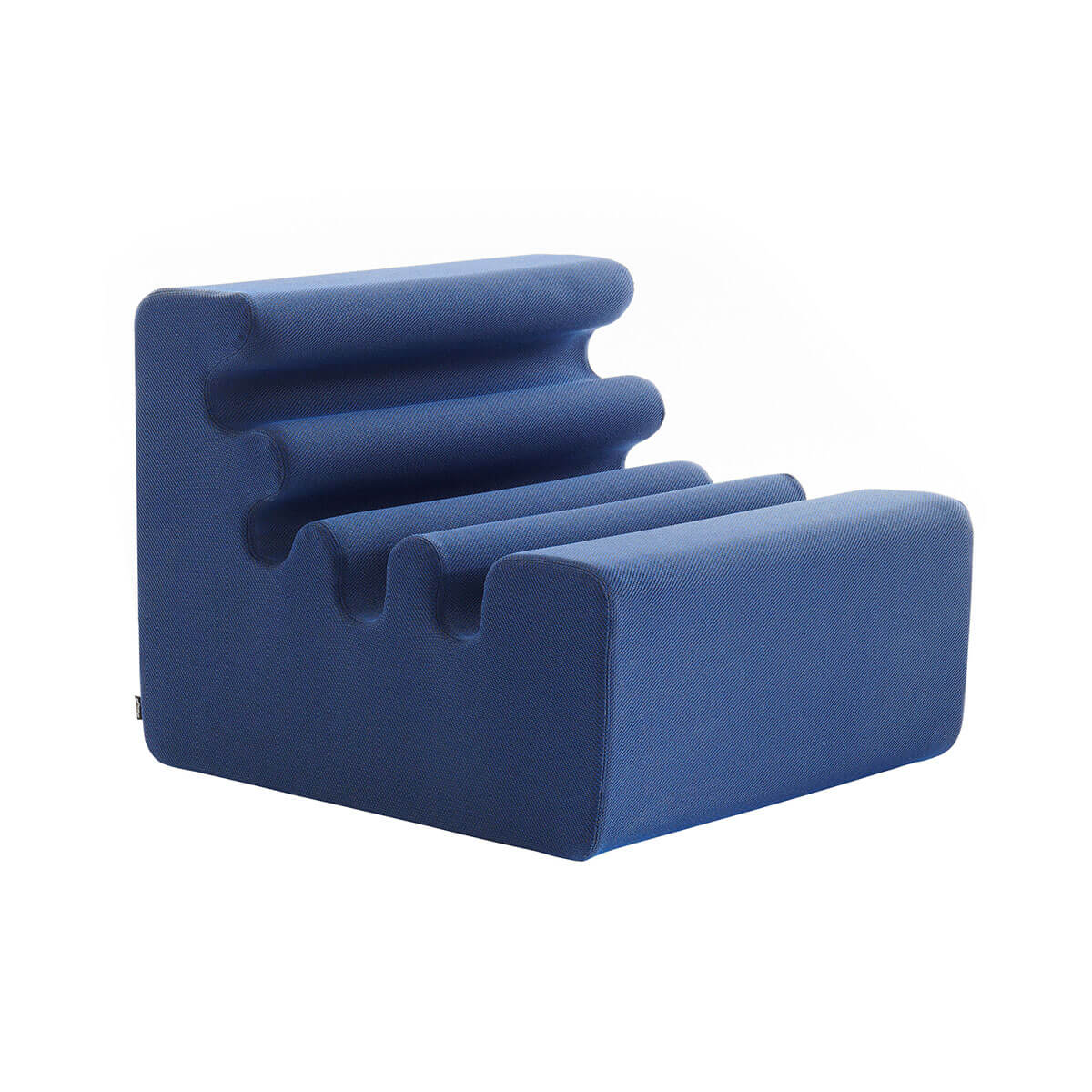
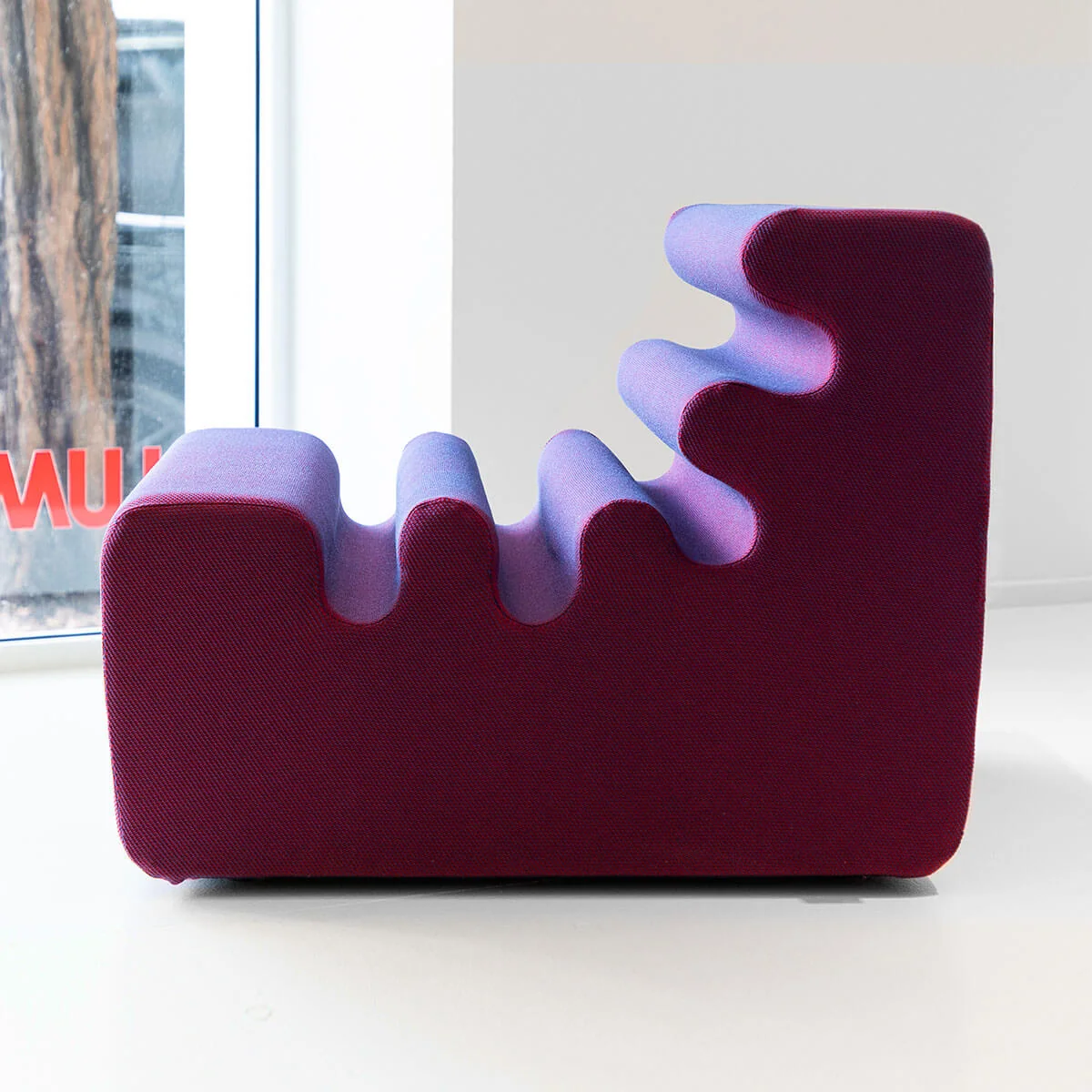
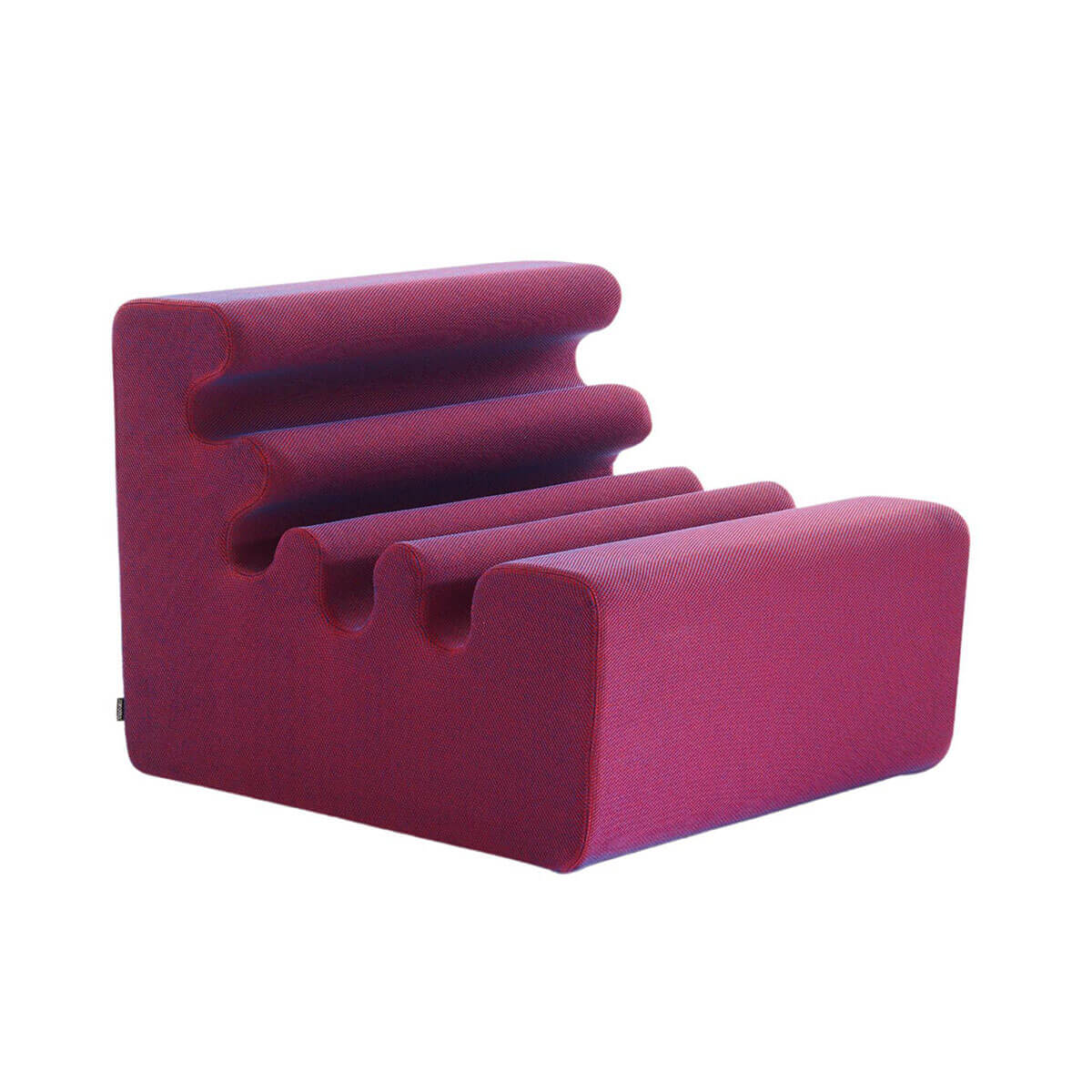
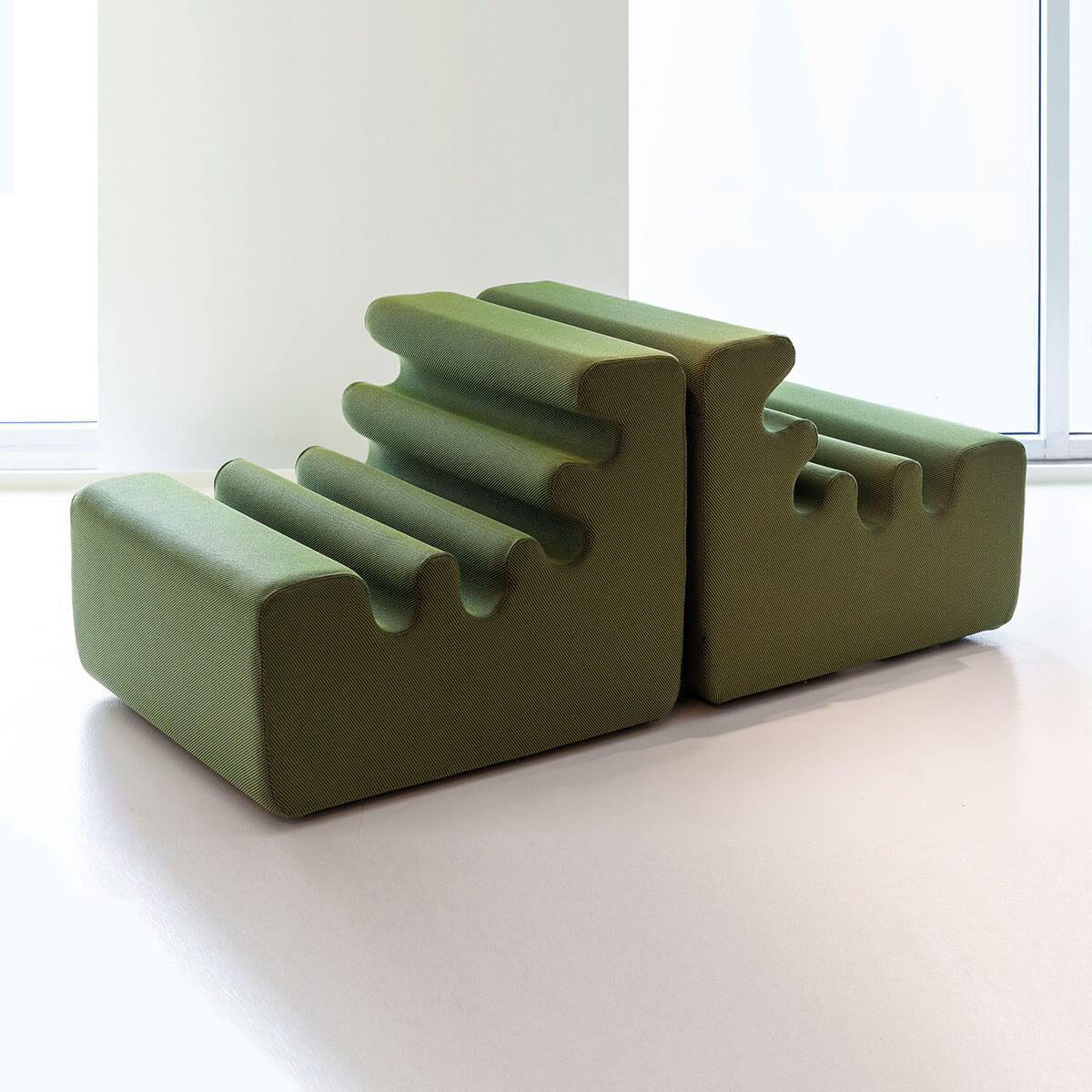
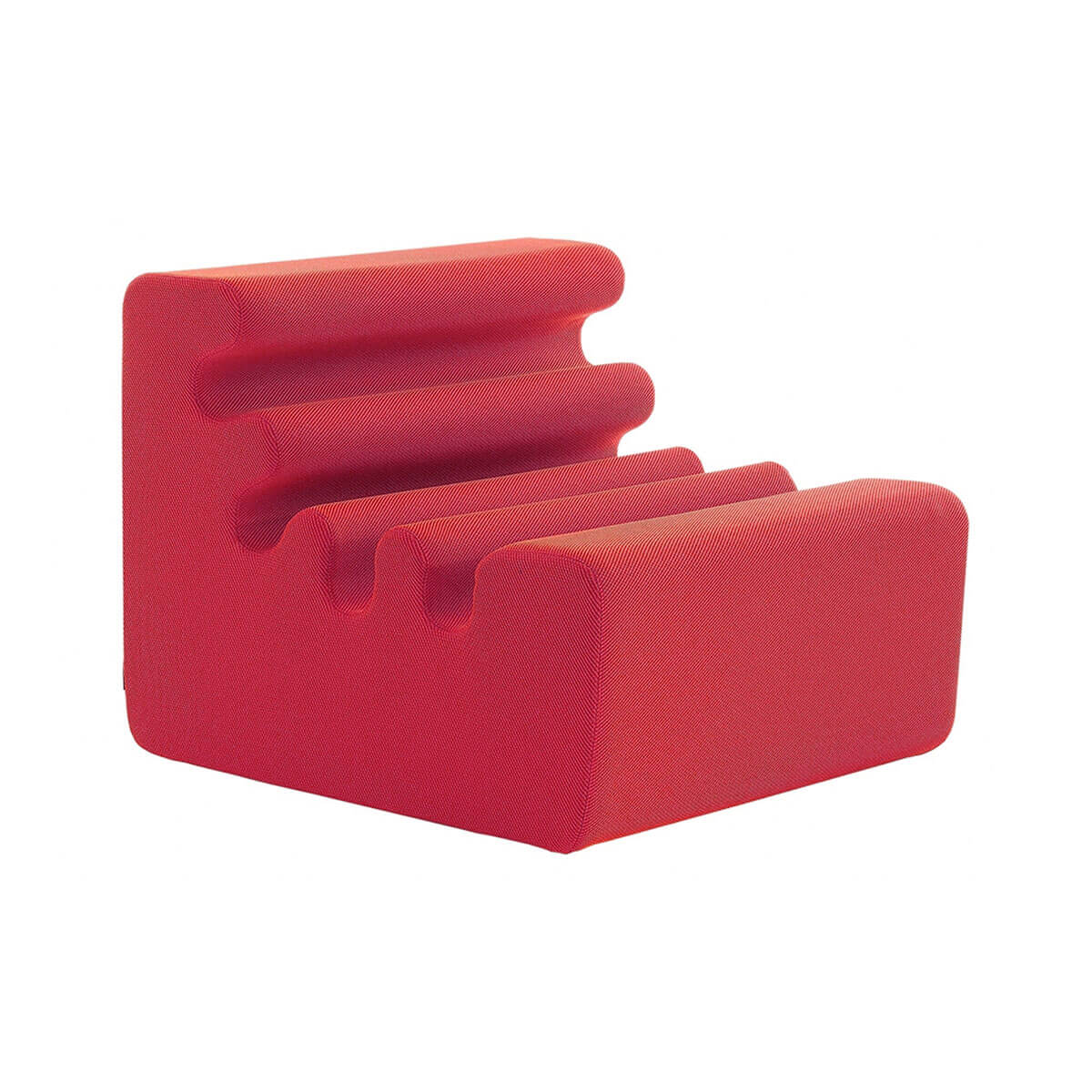
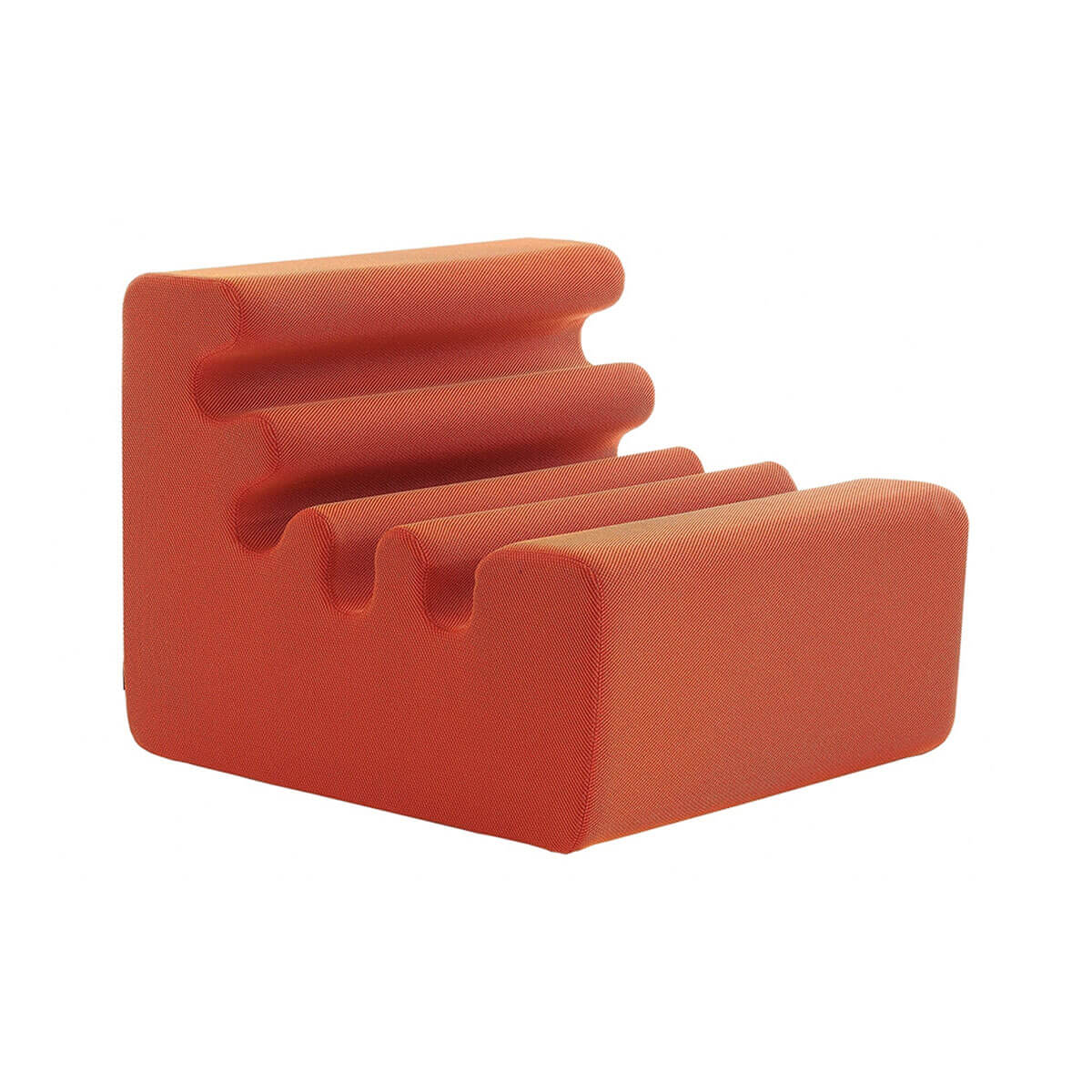
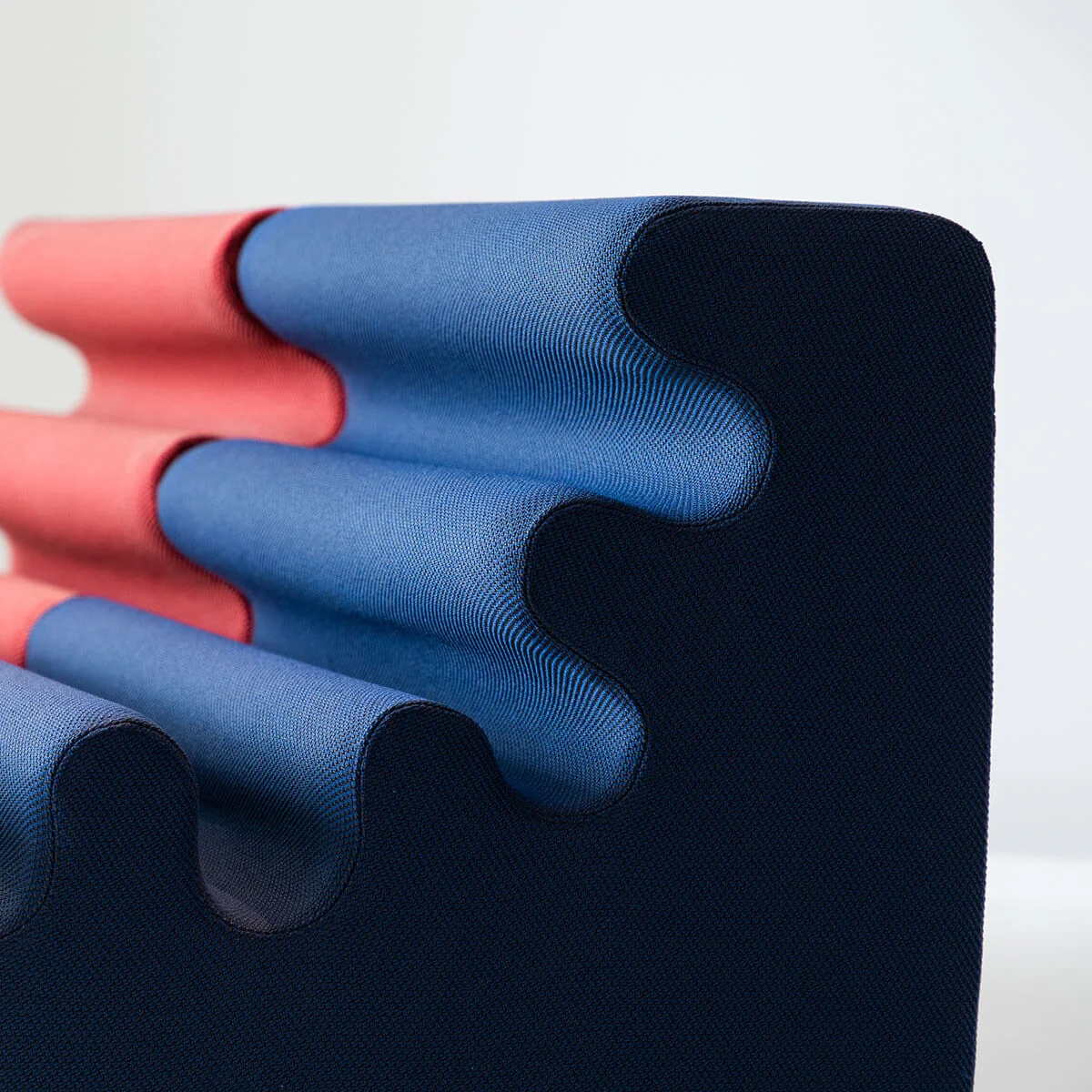
Liisi Beckmann designed the Karelia in 1966 as a direct refusal of convention. There is no frame, no legs, no visible structure of any kind. The form is entirely polyurethane foam, shaped into a continuous wave that supports the body through contour alone.
The inspiration came from the bays and inlets of Beckmann's native Finland, landscapes defined by soft, undulating edges rather than hard geometry. That sensibility translated into a silhouette at once sculptural and inviting, as organic as it is considered.
- Frameless construction in continuous polyurethane foam
- Wave-form profile rooted in Finnish coastal geography
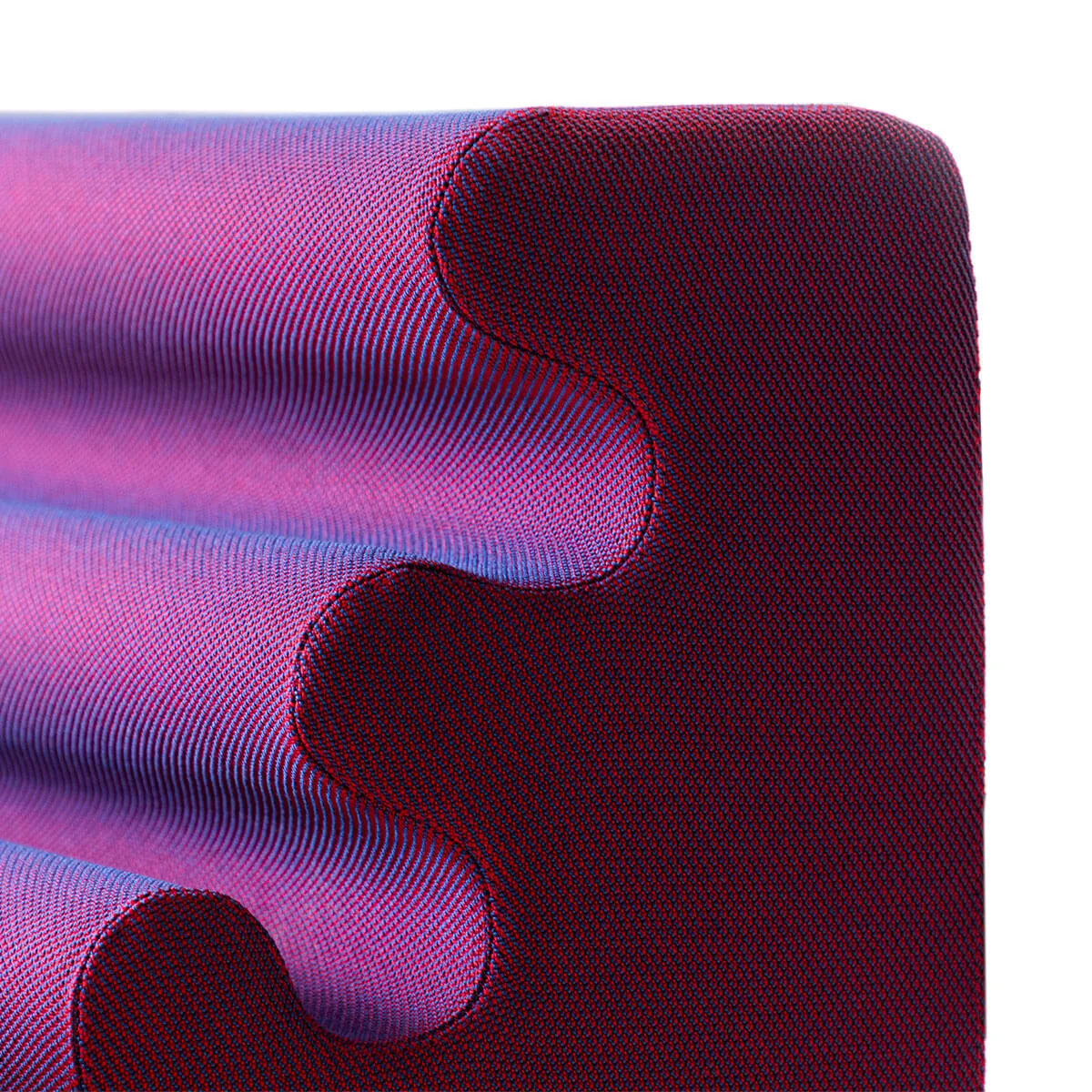
- Updated fabric covering compatible with contemporary interiors
- Original design by Liisi Beckmann, 1966, produced by Zanotta
Karelia belongs to a generation of Italian and European design that treated furniture as a cultural statement. Its Pop spirit has not softened with time. If anything, the chair reads more clearly now as an object that understood freedom of form before the discipline had a language for it.
Original: $3,078.35
-65%$3,078.35
$1,077.42More Images
Karelia Chair
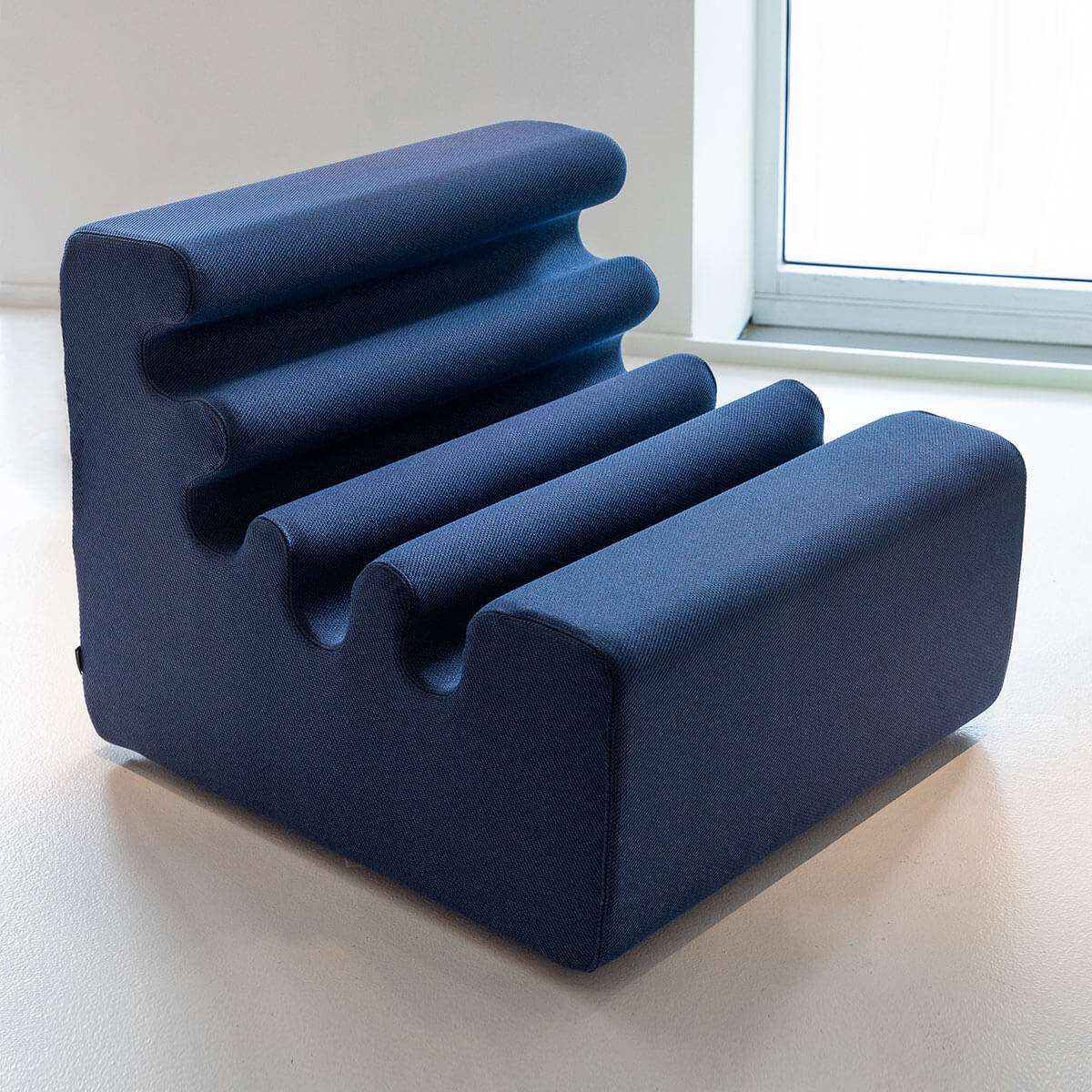
Liisi Beckmann designed the Karelia in 1966 as a direct refusal of convention. There is no frame, no legs, no visible structure of any kind. The form is entirely polyurethane foam, shaped into a continuous wave that supports the body through contour alone.
The inspiration came from the bays and inlets of Beckmann's native Finland, landscapes defined by soft, undulating edges rather than hard geometry. That sensibility translated into a silhouette at once sculptural and inviting, as organic as it is considered.
- Frameless construction in continuous polyurethane foam
- Wave-form profile rooted in Finnish coastal geography
- Updated fabric covering compatible with contemporary interiors
- Original design by Liisi Beckmann, 1966, produced by Zanotta
Karelia belongs to a generation of Italian and European design that treated furniture as a cultural statement. Its Pop spirit has not softened with time. If anything, the chair reads more clearly now as an object that understood freedom of form before the discipline had a language for it.
Product Information
Product Information
Shipping & Returns
Shipping & Returns
Description
Liisi Beckmann designed the Karelia in 1966 as a direct refusal of convention. There is no frame, no legs, no visible structure of any kind. The form is entirely polyurethane foam, shaped into a continuous wave that supports the body through contour alone.
The inspiration came from the bays and inlets of Beckmann's native Finland, landscapes defined by soft, undulating edges rather than hard geometry. That sensibility translated into a silhouette at once sculptural and inviting, as organic as it is considered.
- Frameless construction in continuous polyurethane foam
- Wave-form profile rooted in Finnish coastal geography
- Updated fabric covering compatible with contemporary interiors
- Original design by Liisi Beckmann, 1966, produced by Zanotta
Karelia belongs to a generation of Italian and European design that treated furniture as a cultural statement. Its Pop spirit has not softened with time. If anything, the chair reads more clearly now as an object that understood freedom of form before the discipline had a language for it.