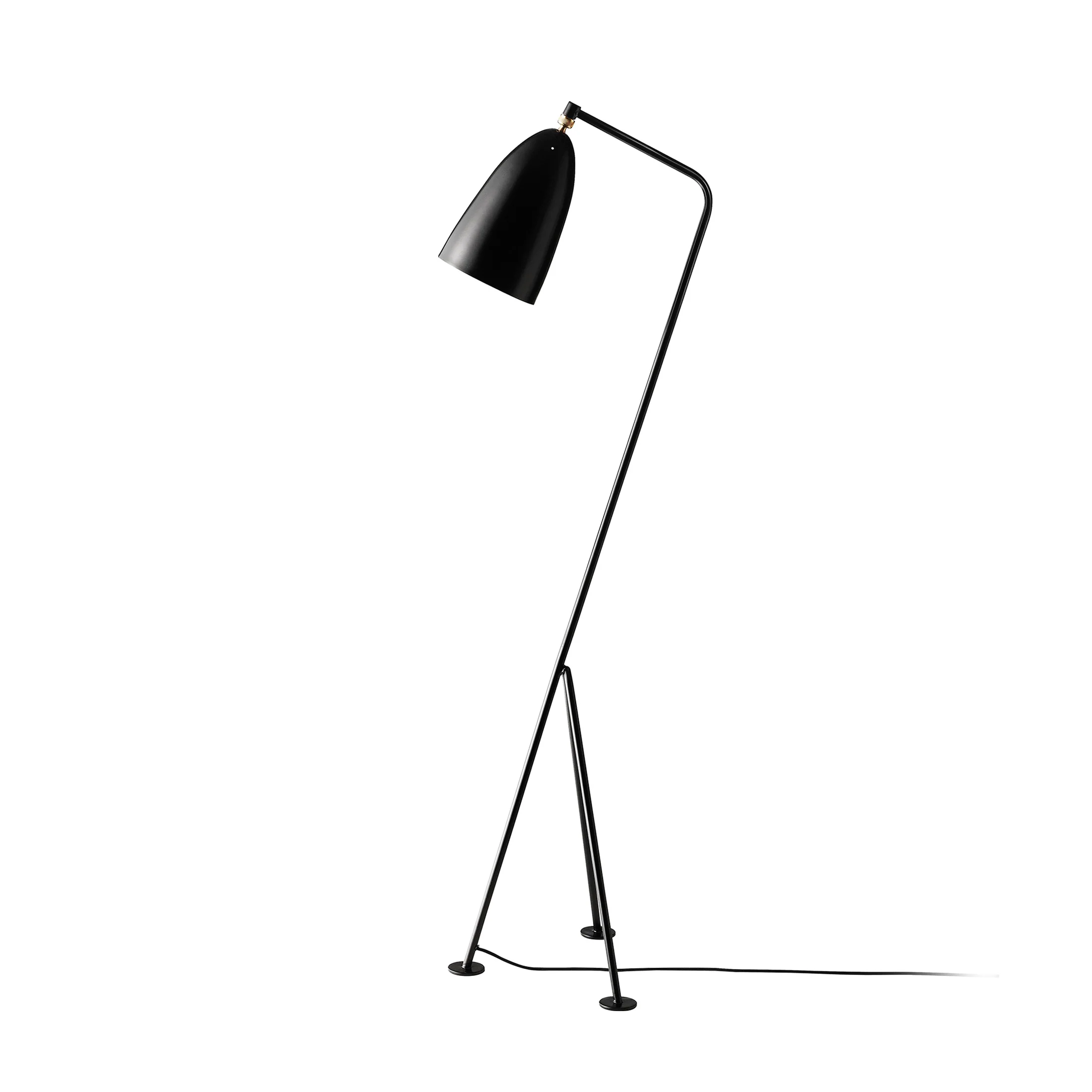
Gräshoppa Floor Lamp
Designed in 1947, the Gräshoppa Floor Lamp is among Greta M. Grossman's most enduring contributions to postwar modernism. A Swedish-born architect and designer who built her practice in Los Angeles, Grossman brought a distinctly cross-cultural sensibility to furniture and lighting, one that absorbed both Scandinavian craft traditions and the openness of California living.
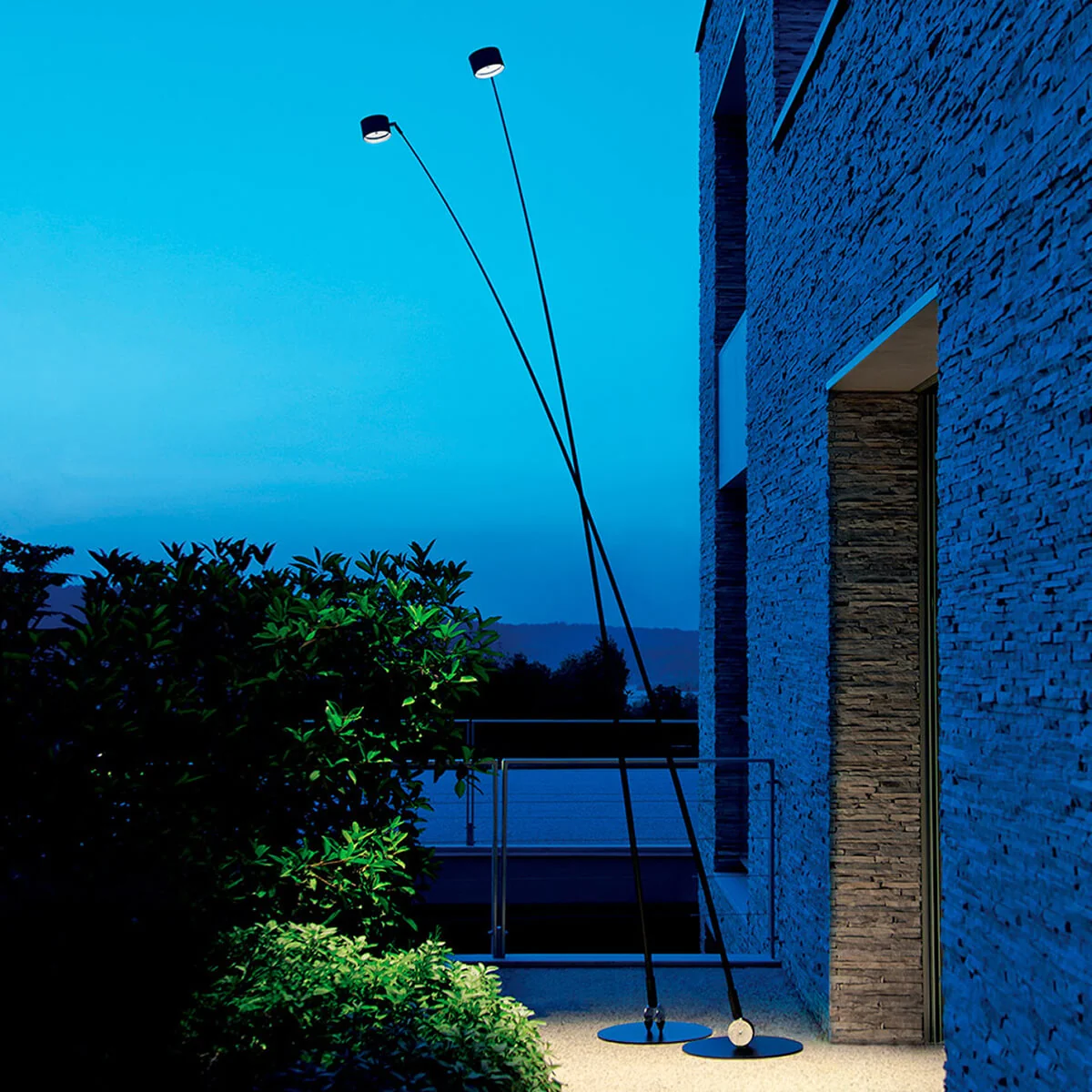
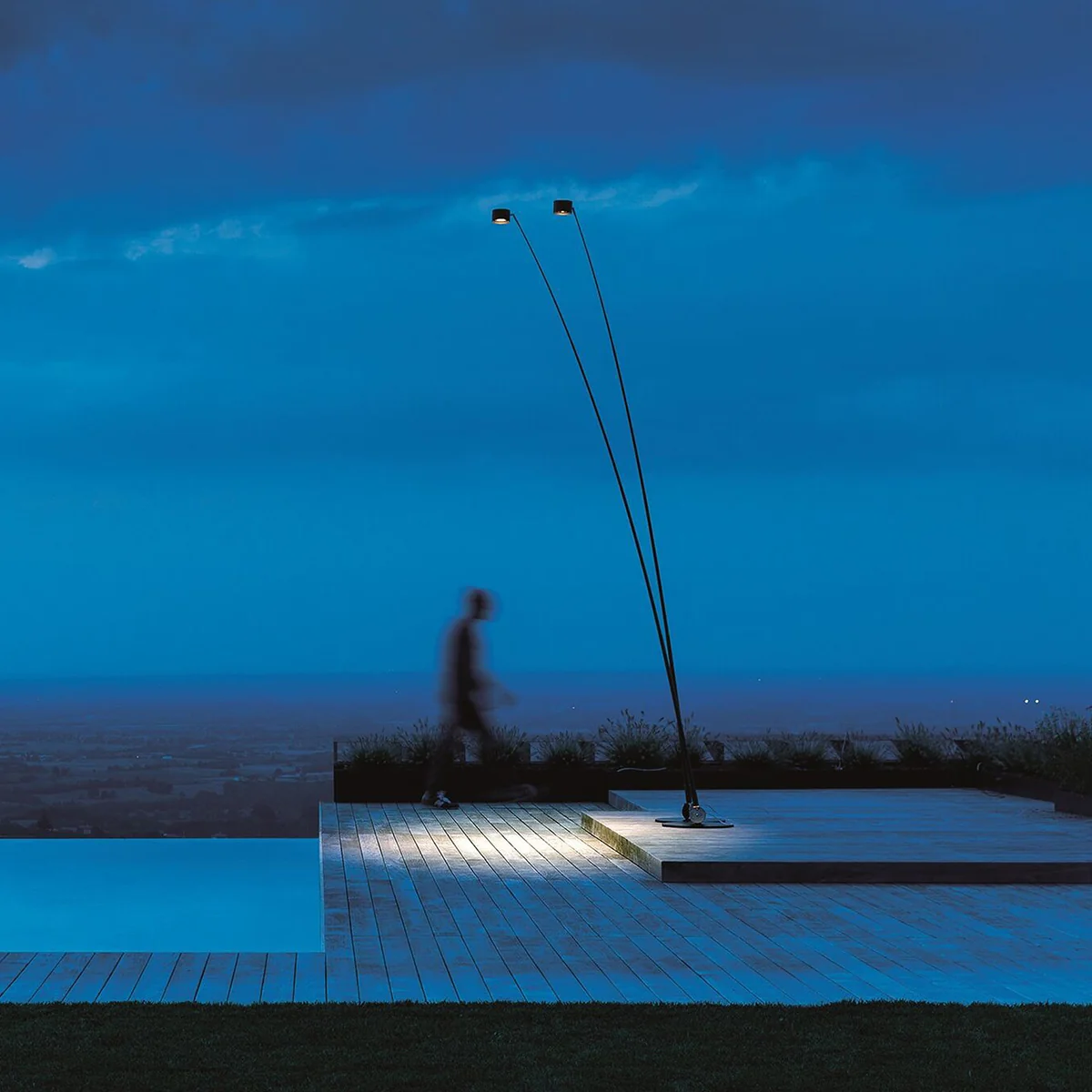
The lamp's backward-leaning tripod base gives it an unmistakable silhouette, at once insect-like and architecturally considered. The elongated conical shade rotates to direct light with precision, making it as responsive to a reading chair as to a composition of objects on a shelf. Proportion is everything here: the long, angled neck holds the shade at exactly the height and angle that feels both purposeful and poised.
- Original design: 1947, reissued by GUBI with archival fidelity
- Rotating shade for directed or diffused illumination
- Distinctive tripod base in a backward-leaning stance
- Available in multiple finishes to suit varied interior palettes
GUBI's reissue of the Gräshoppa restores the lamp to production with careful attention to the original's geometry and materiality. It occupies a room not by filling space, but by giving it character.
Original: $1,499.00
-65%$1,499.00
$524.65More Images
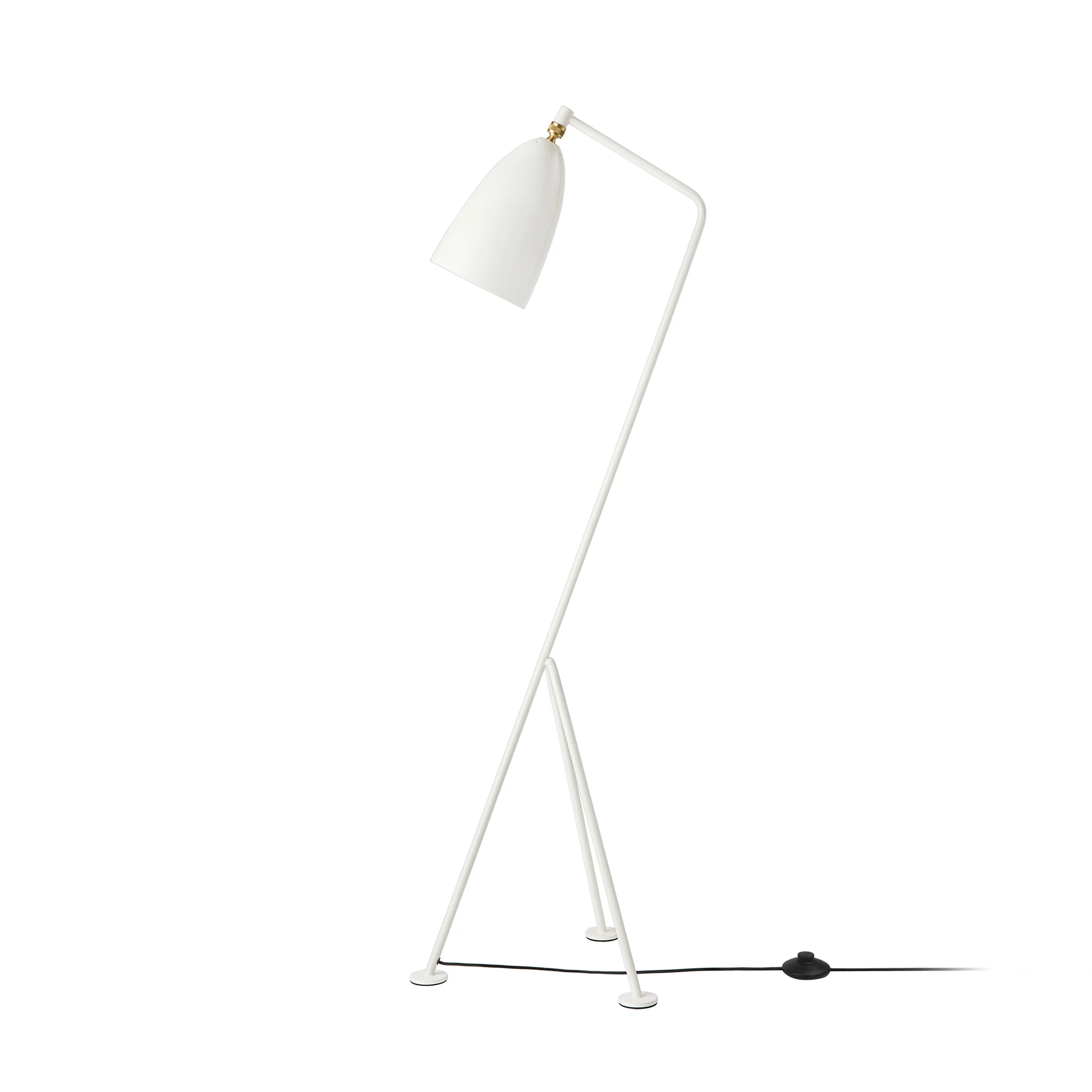


Gräshoppa Floor Lamp
Designed in 1947, the Gräshoppa Floor Lamp is among Greta M. Grossman's most enduring contributions to postwar modernism. A Swedish-born architect and designer who built her practice in Los Angeles, Grossman brought a distinctly cross-cultural sensibility to furniture and lighting, one that absorbed both Scandinavian craft traditions and the openness of California living.
The lamp's backward-leaning tripod base gives it an unmistakable silhouette, at once insect-like and architecturally considered. The elongated conical shade rotates to direct light with precision, making it as responsive to a reading chair as to a composition of objects on a shelf. Proportion is everything here: the long, angled neck holds the shade at exactly the height and angle that feels both purposeful and poised.
- Original design: 1947, reissued by GUBI with archival fidelity
- Rotating shade for directed or diffused illumination
- Distinctive tripod base in a backward-leaning stance
- Available in multiple finishes to suit varied interior palettes
GUBI's reissue of the Gräshoppa restores the lamp to production with careful attention to the original's geometry and materiality. It occupies a room not by filling space, but by giving it character.
Product Information
Product Information
Shipping & Returns
Shipping & Returns
Description
Designed in 1947, the Gräshoppa Floor Lamp is among Greta M. Grossman's most enduring contributions to postwar modernism. A Swedish-born architect and designer who built her practice in Los Angeles, Grossman brought a distinctly cross-cultural sensibility to furniture and lighting, one that absorbed both Scandinavian craft traditions and the openness of California living.
The lamp's backward-leaning tripod base gives it an unmistakable silhouette, at once insect-like and architecturally considered. The elongated conical shade rotates to direct light with precision, making it as responsive to a reading chair as to a composition of objects on a shelf. Proportion is everything here: the long, angled neck holds the shade at exactly the height and angle that feels both purposeful and poised.
- Original design: 1947, reissued by GUBI with archival fidelity
- Rotating shade for directed or diffused illumination
- Distinctive tripod base in a backward-leaning stance
- Available in multiple finishes to suit varied interior palettes
GUBI's reissue of the Gräshoppa restores the lamp to production with careful attention to the original's geometry and materiality. It occupies a room not by filling space, but by giving it character.