Fortuny Floor Lamp
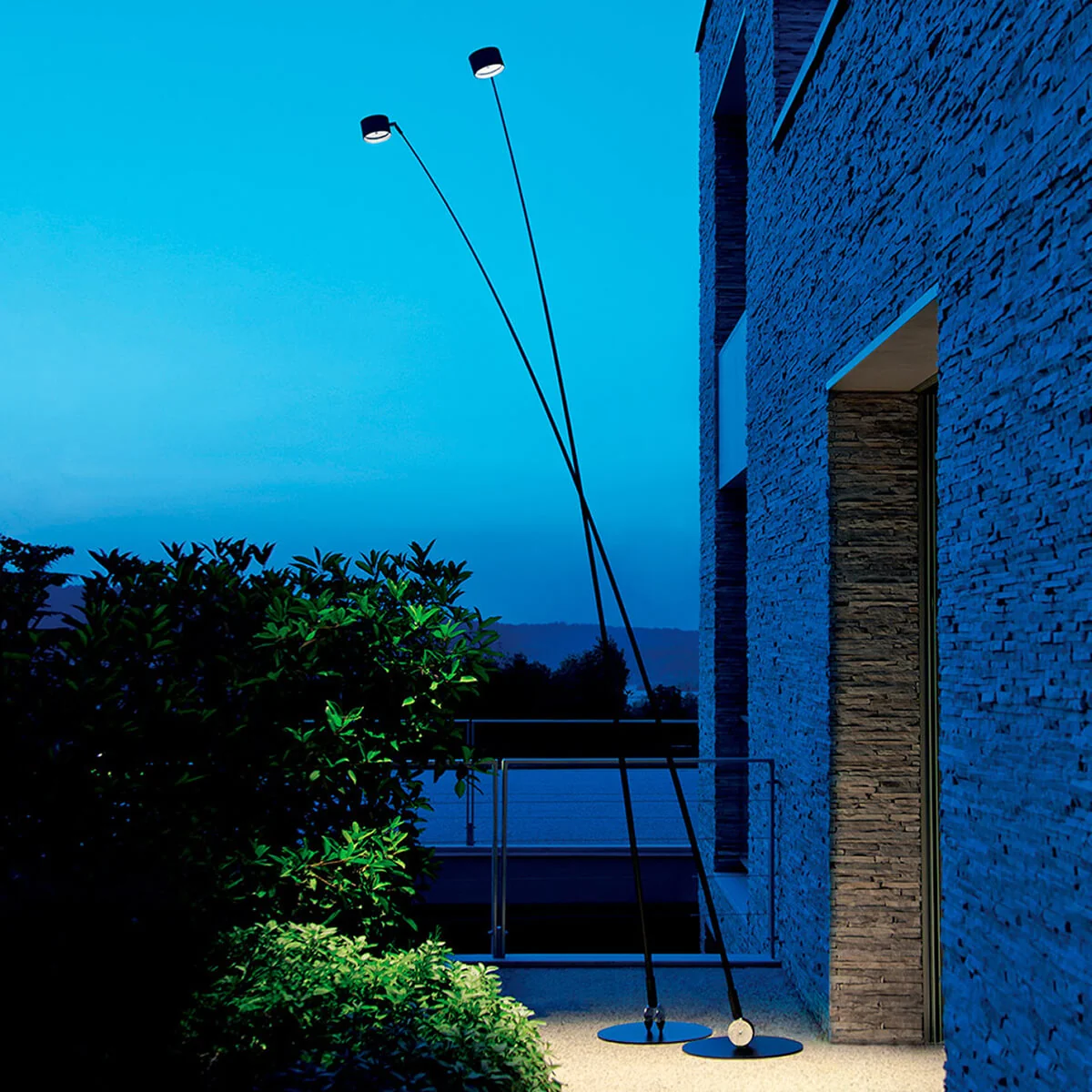
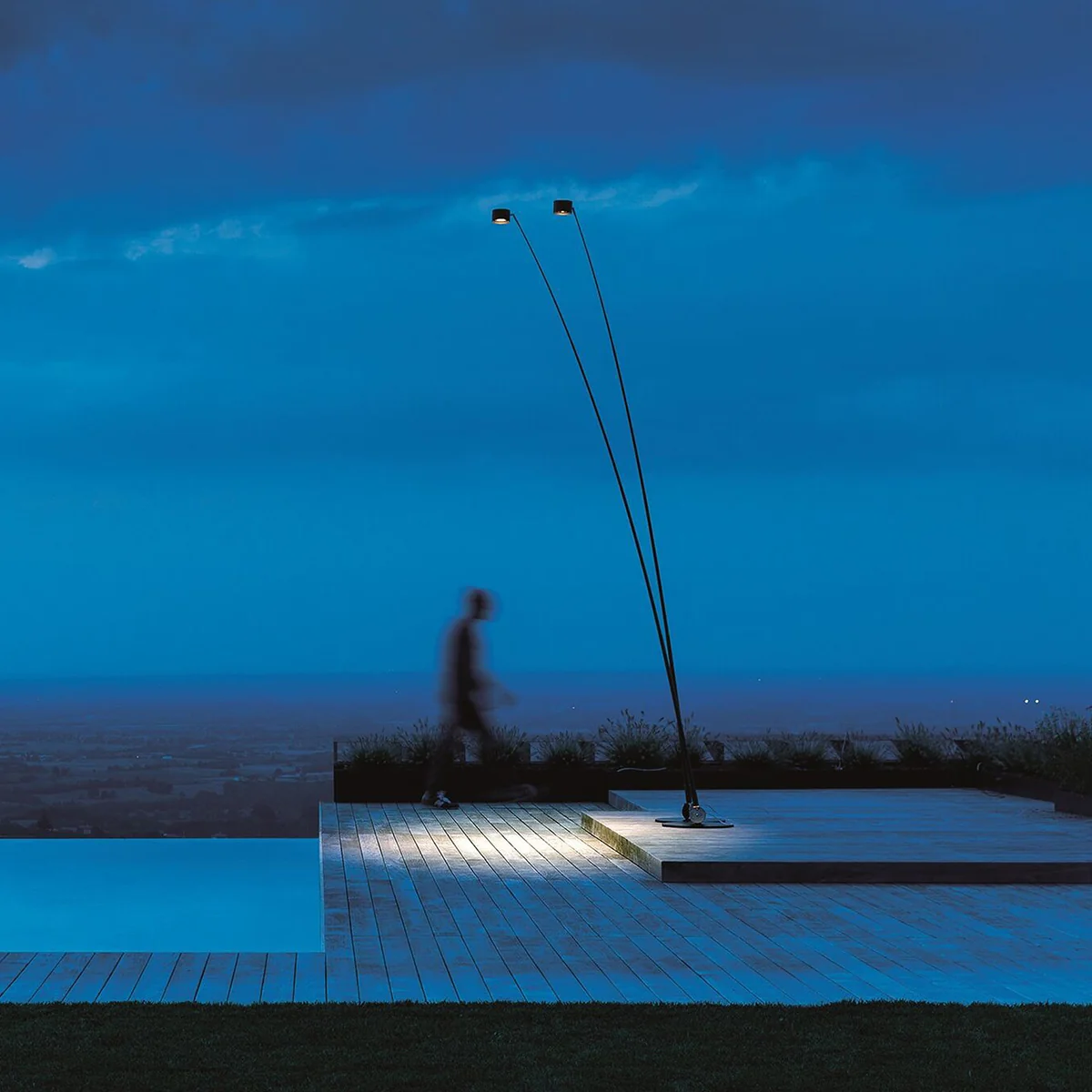
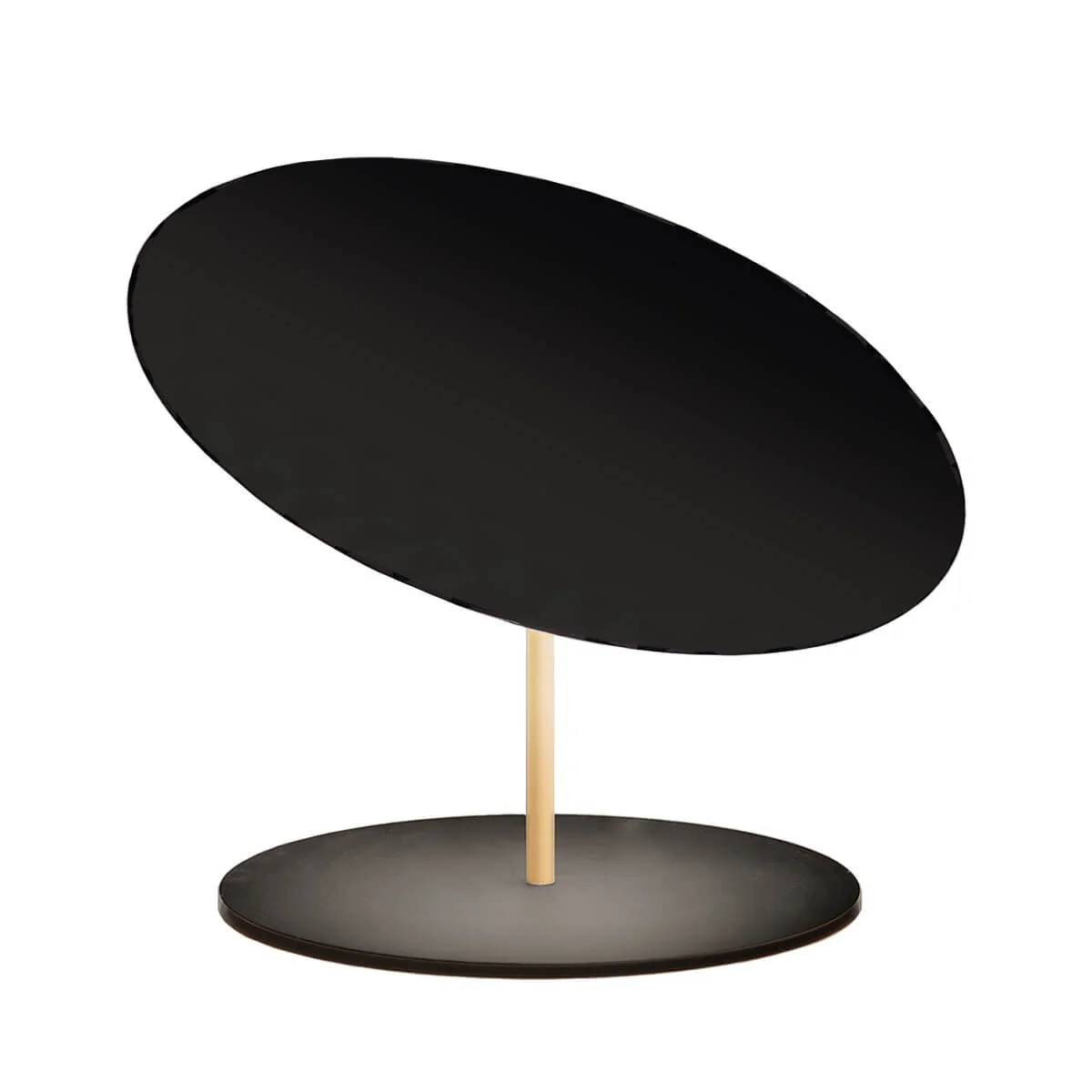
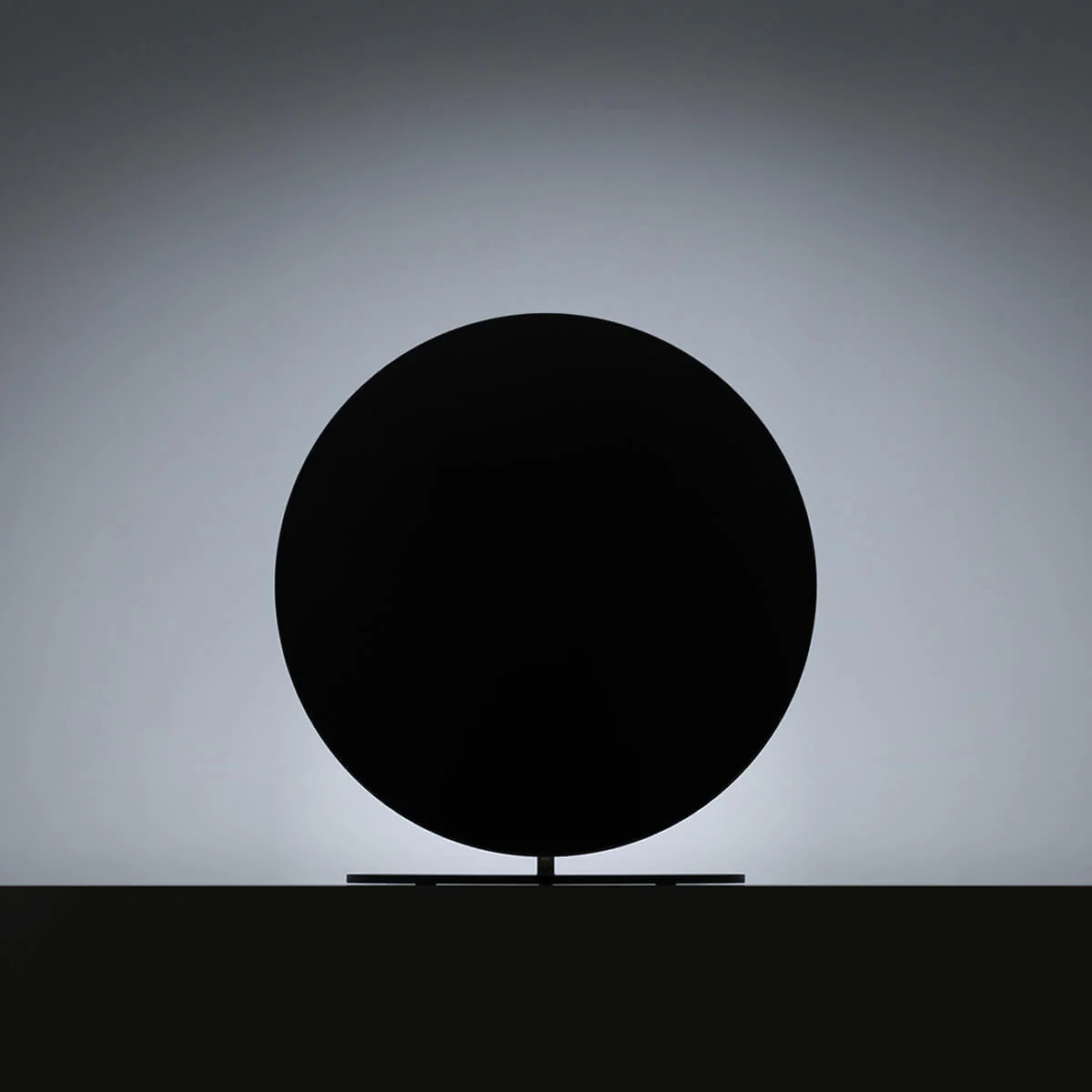
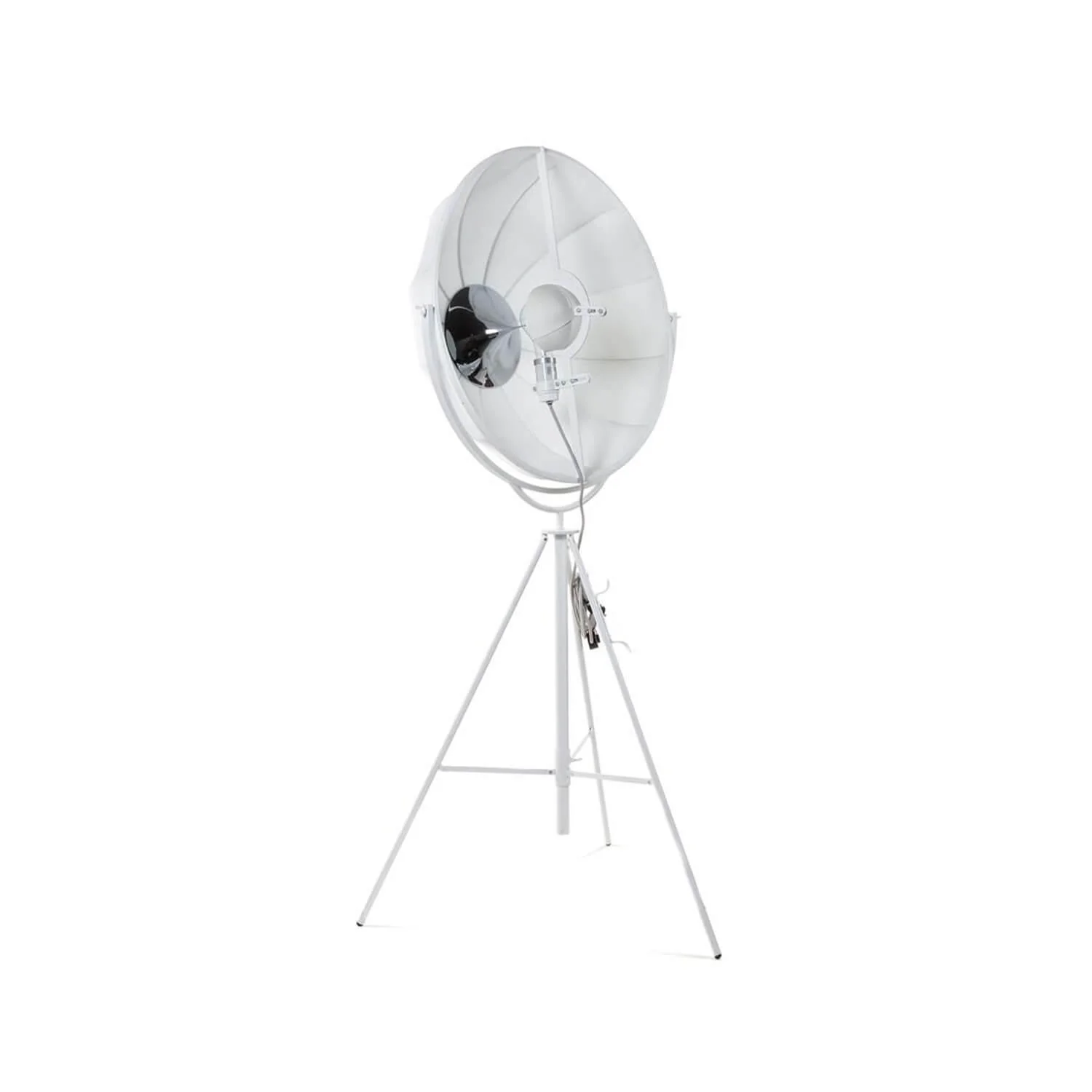
Designed in 1907, the Fortuny floor lamp is one of the earliest examples of industrial materials elevated to the realm of considered design objects. Mariano Fortuny, better known as a Venetian textile artist and stage designer, brought his theatrical sensibility to this lamp, conceiving it as a functional sculpture capable of shaping the atmosphere of a room.
The lamp operates on a counterweight system, its large parabolic reflector directing light with precision while remaining adjustable in height and angle. This mechanistic logic is fully exposed, with no attempt to conceal the engineering. The result is a form that reads as both apparatus and artwork.
- Original design from 1907, faithfully reproduced by Pallucco
- Counterweight system allows fluid repositioning
- Large parabolic reflector distributes diffused, indirect light
- Speaks to early modernist philosophy: form shaped by function
Over a century after its conception, the Fortuny lamp remains a point of reference for architects and designers working with questions of light, proportion, and the spatial presence of objects.
Original: $5,520.00
-65%$5,520.00
$1,932.00More Images


Fortuny Floor Lamp
Designed in 1907, the Fortuny floor lamp is one of the earliest examples of industrial materials elevated to the realm of considered design objects. Mariano Fortuny, better known as a Venetian textile artist and stage designer, brought his theatrical sensibility to this lamp, conceiving it as a functional sculpture capable of shaping the atmosphere of a room.
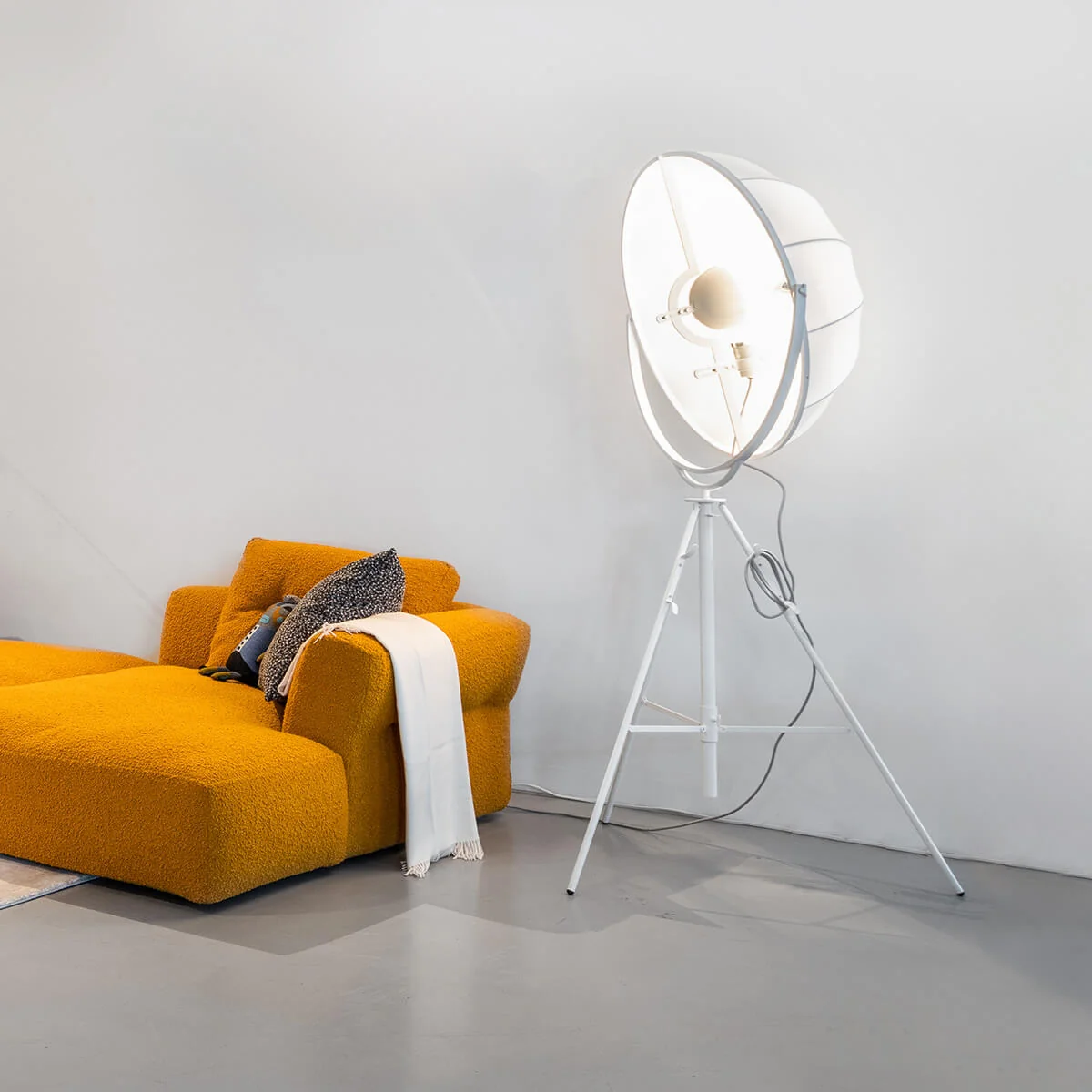
The lamp operates on a counterweight system, its large parabolic reflector directing light with precision while remaining adjustable in height and angle. This mechanistic logic is fully exposed, with no attempt to conceal the engineering. The result is a form that reads as both apparatus and artwork.
- Original design from 1907, faithfully reproduced by Pallucco
- Counterweight system allows fluid repositioning
- Large parabolic reflector distributes diffused, indirect light
- Speaks to early modernist philosophy: form shaped by function
Over a century after its conception, the Fortuny lamp remains a point of reference for architects and designers working with questions of light, proportion, and the spatial presence of objects.
Product Information
Product Information
Shipping & Returns
Shipping & Returns
Description
Designed in 1907, the Fortuny floor lamp is one of the earliest examples of industrial materials elevated to the realm of considered design objects. Mariano Fortuny, better known as a Venetian textile artist and stage designer, brought his theatrical sensibility to this lamp, conceiving it as a functional sculpture capable of shaping the atmosphere of a room.
The lamp operates on a counterweight system, its large parabolic reflector directing light with precision while remaining adjustable in height and angle. This mechanistic logic is fully exposed, with no attempt to conceal the engineering. The result is a form that reads as both apparatus and artwork.
- Original design from 1907, faithfully reproduced by Pallucco
- Counterweight system allows fluid repositioning
- Large parabolic reflector distributes diffused, indirect light
- Speaks to early modernist philosophy: form shaped by function
Over a century after its conception, the Fortuny lamp remains a point of reference for architects and designers working with questions of light, proportion, and the spatial presence of objects.