Calligraphy Flatware
Designer Kate Chung found her source material in an unlikely archive: the imperial script of Emperor Song Hui Zong, who developed Shou Jin Ti calligraphy at the turn of the 12th century. Known for its razor-thin strokes and disciplined angles, the style carried a quality of controlled tension that Chung recognized as inherently architectural.
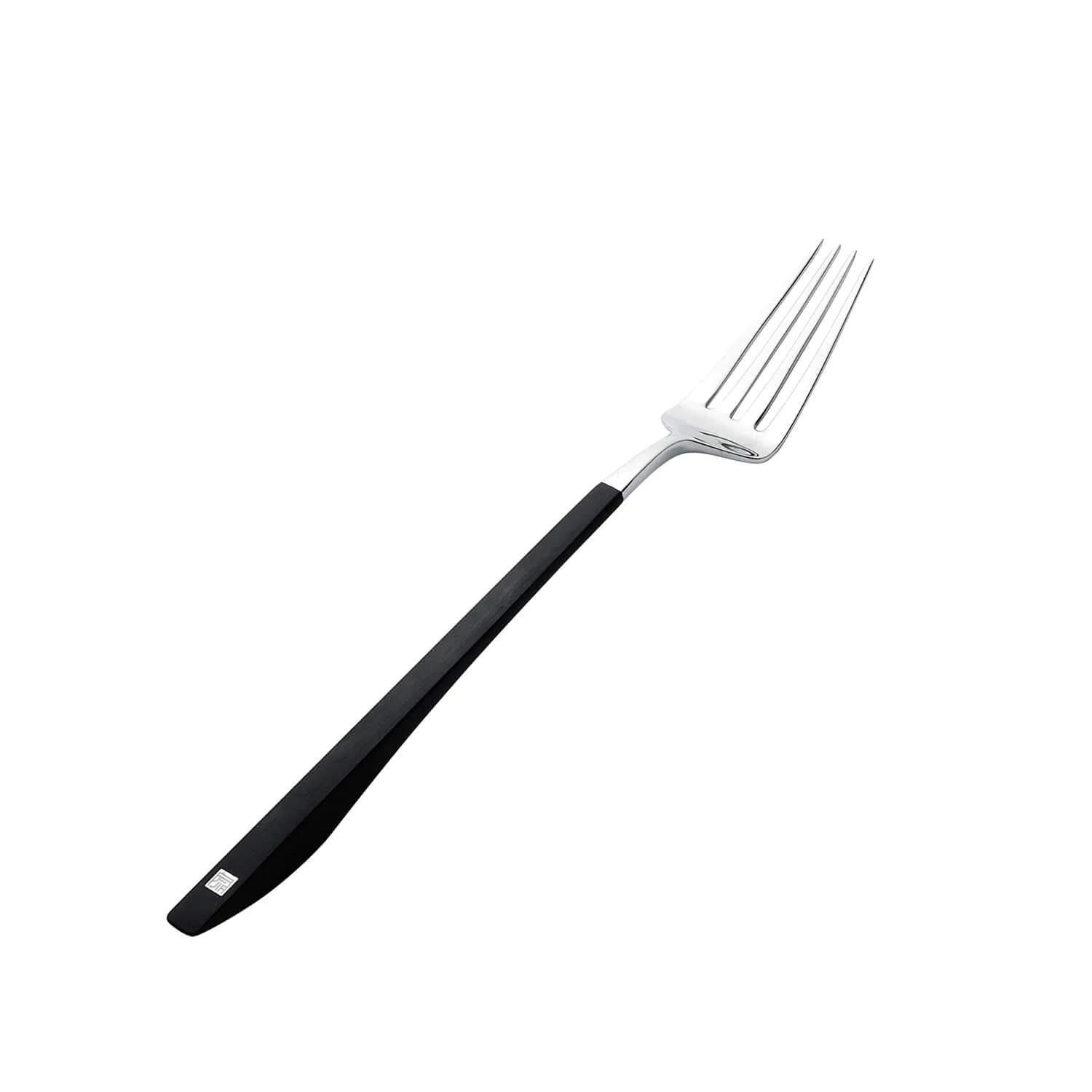
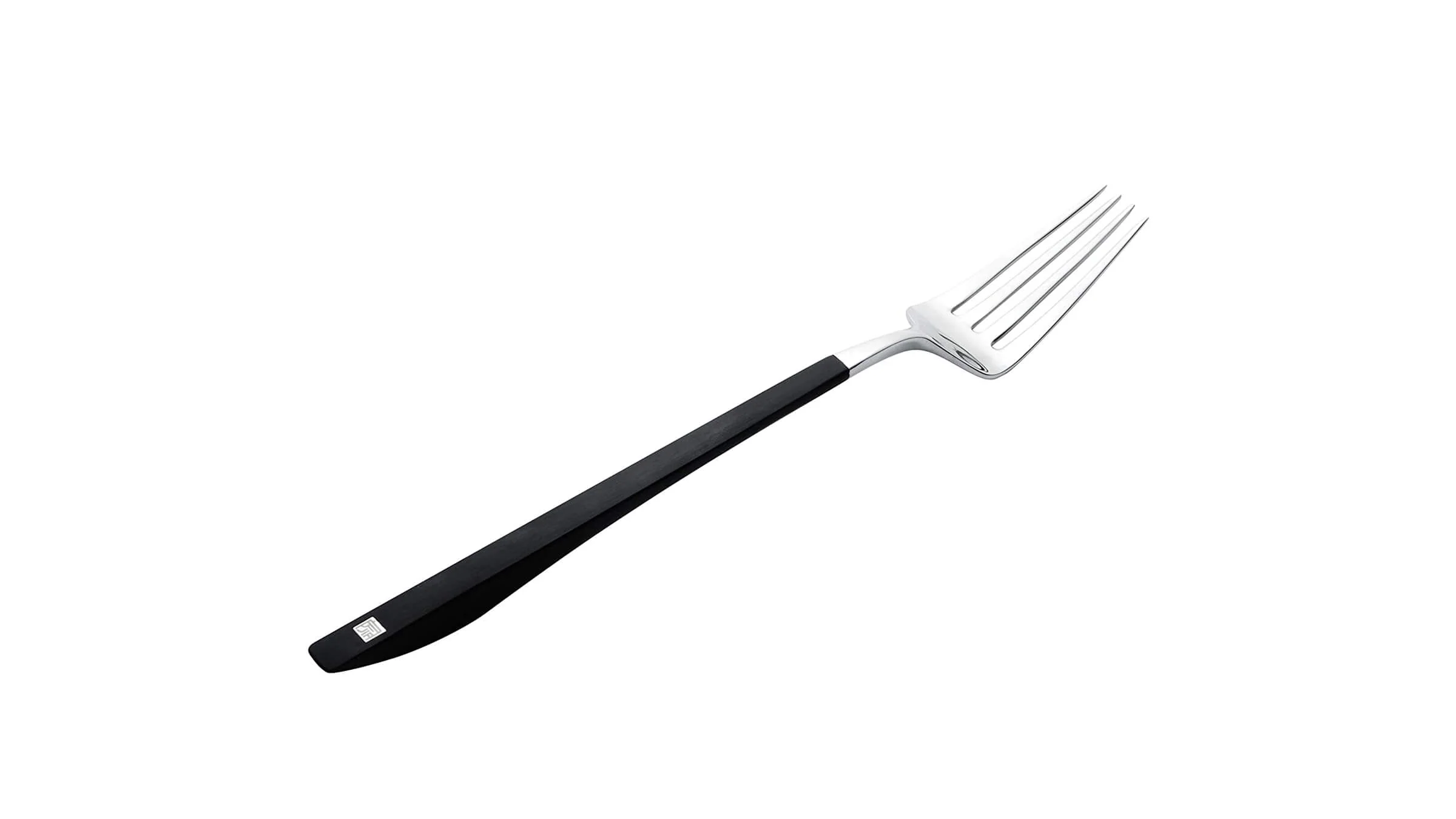
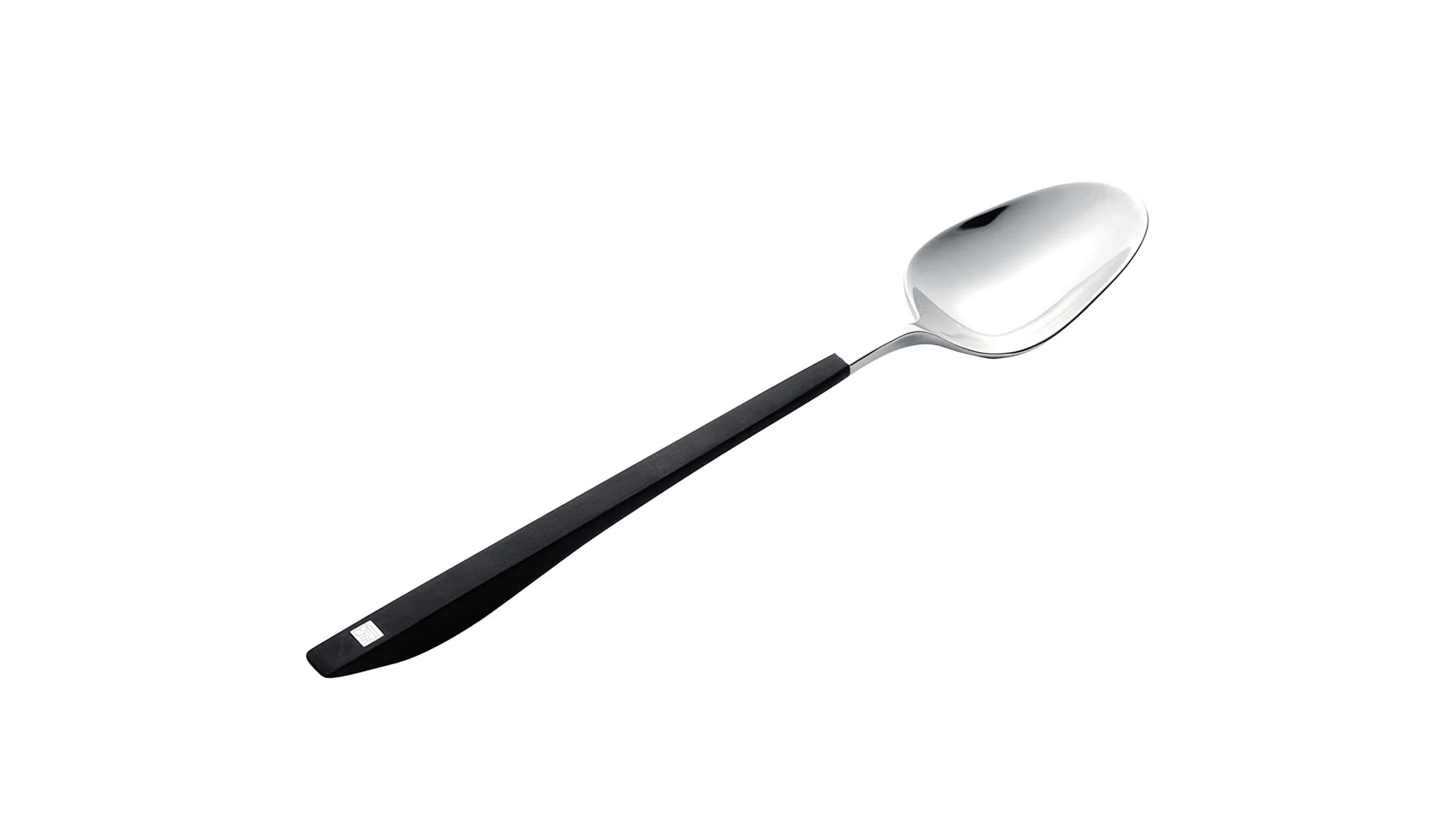
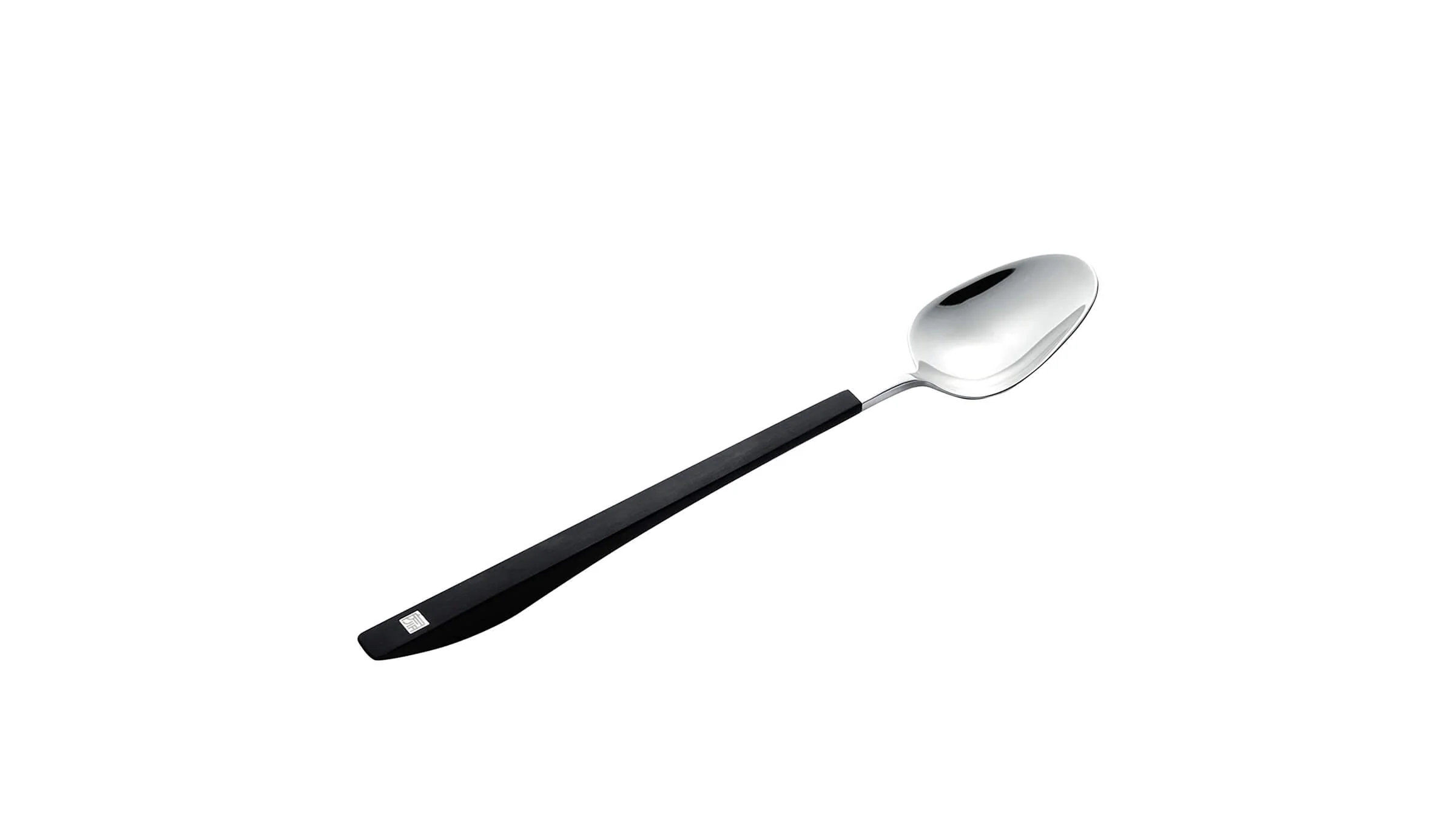
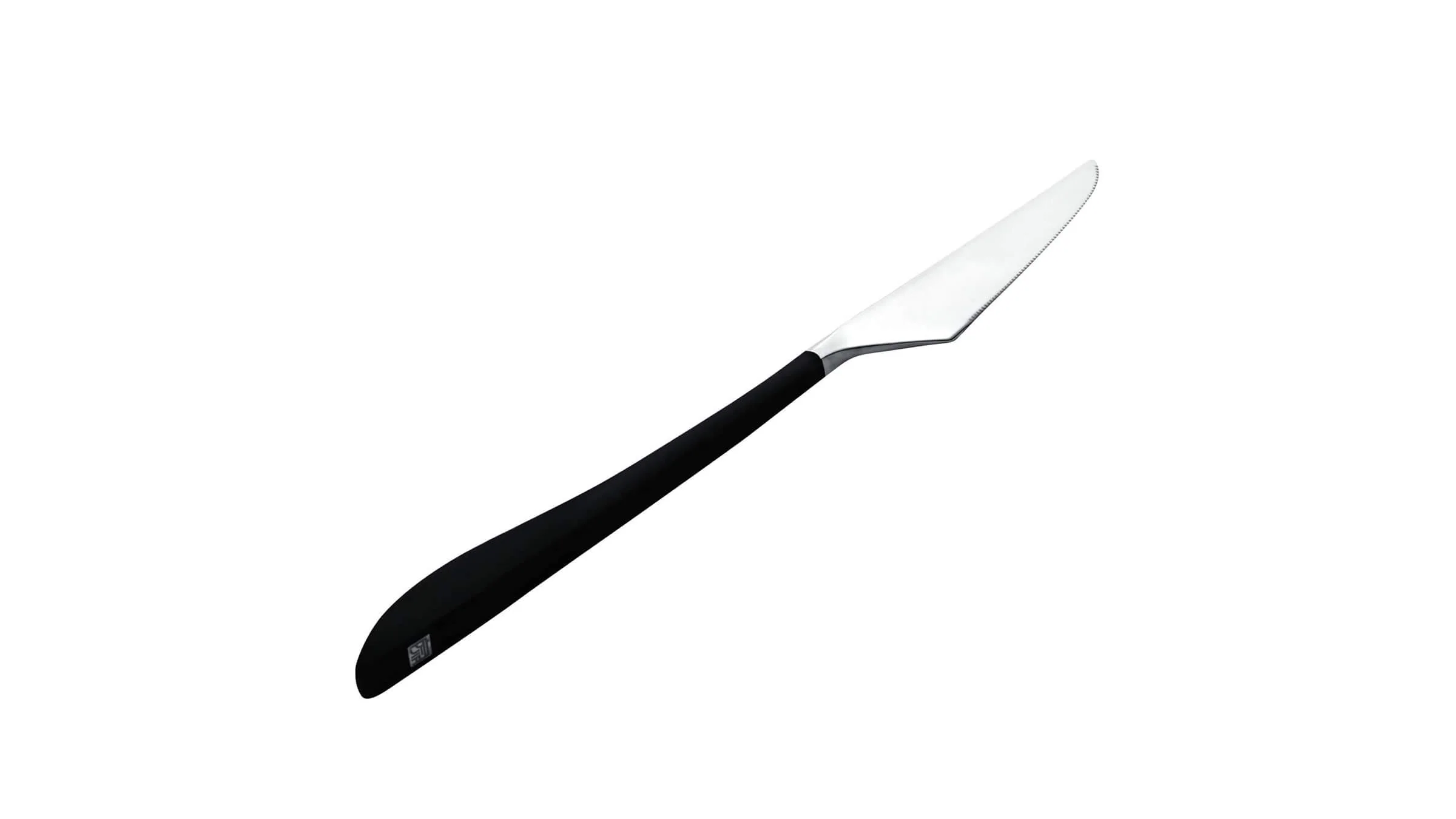
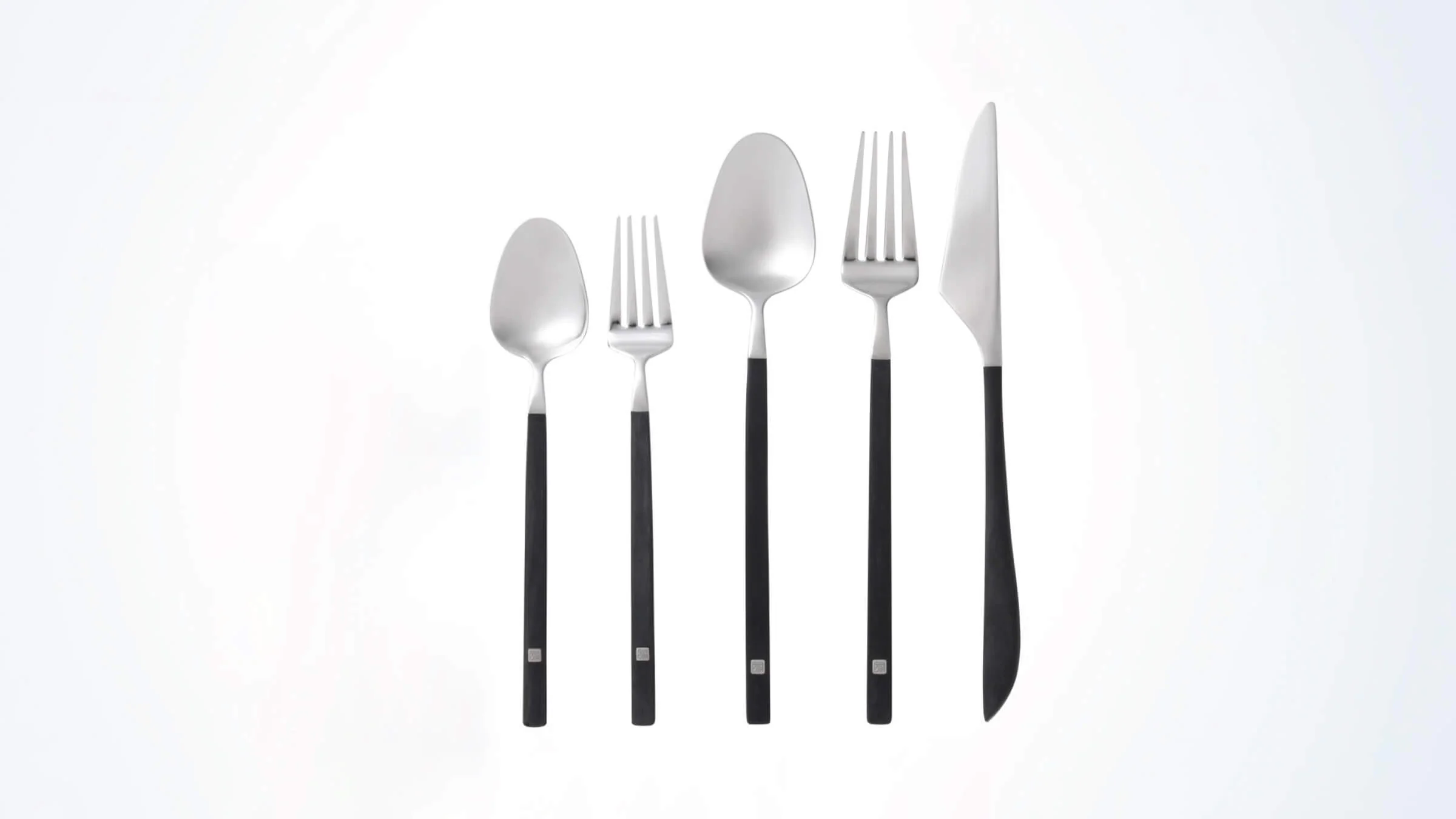
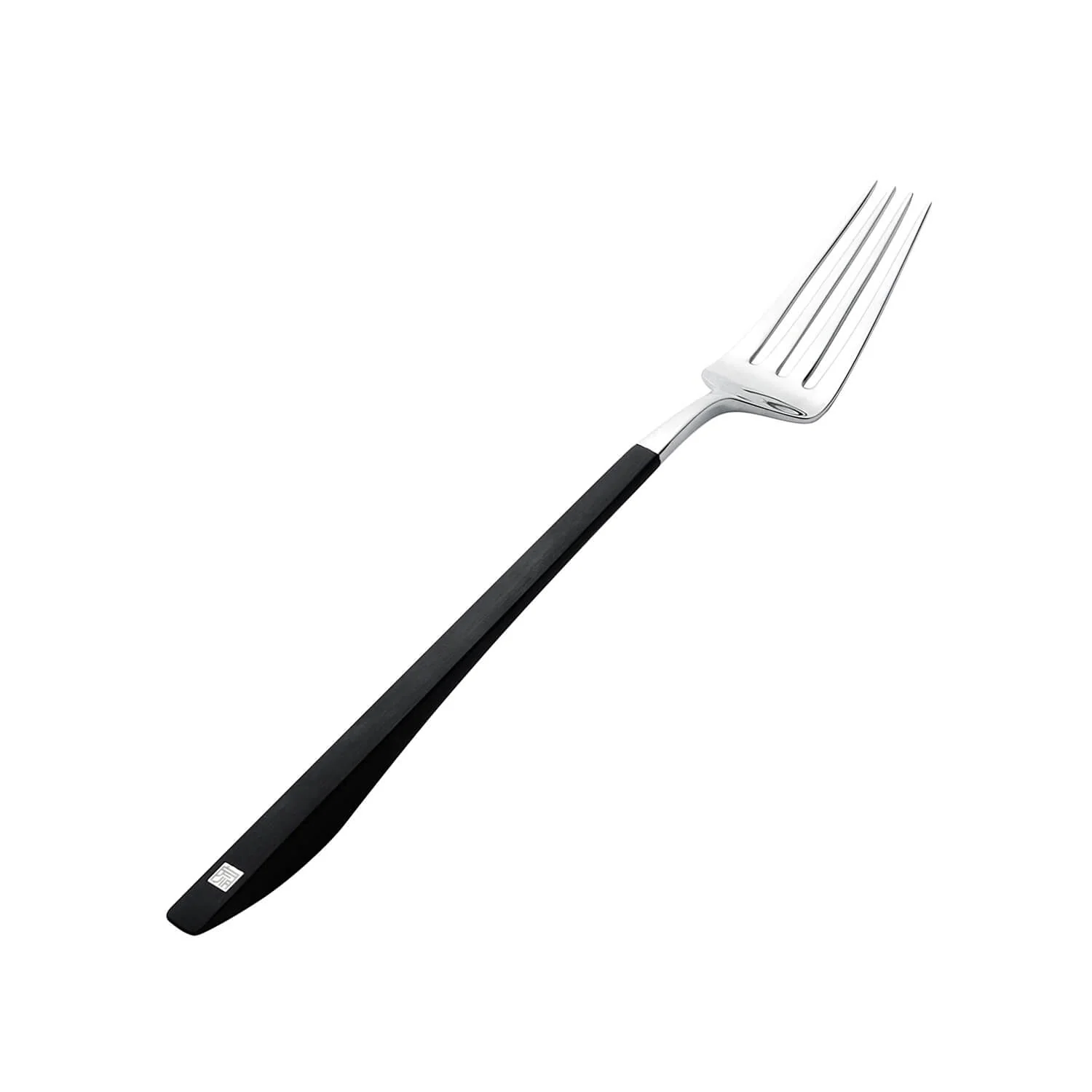
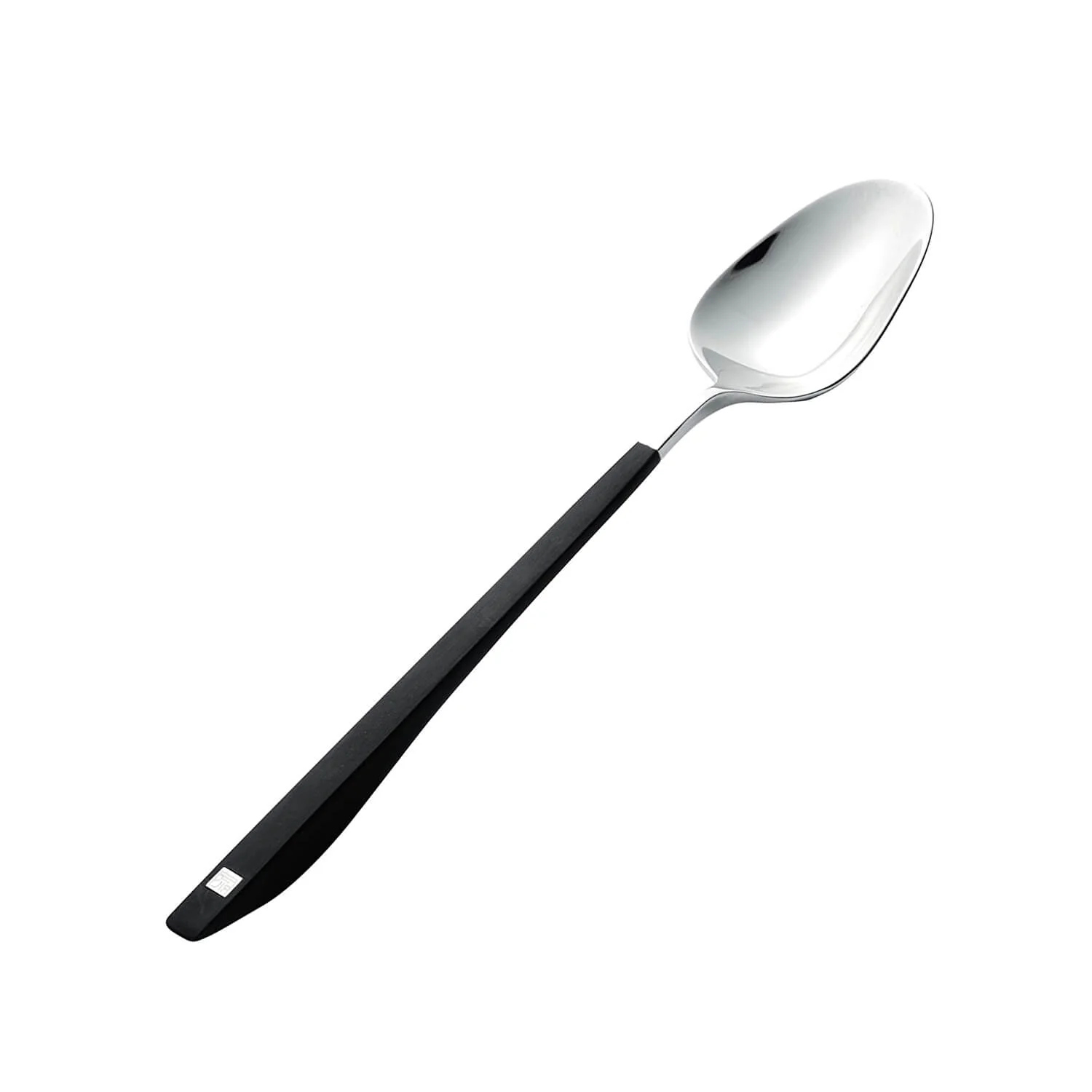
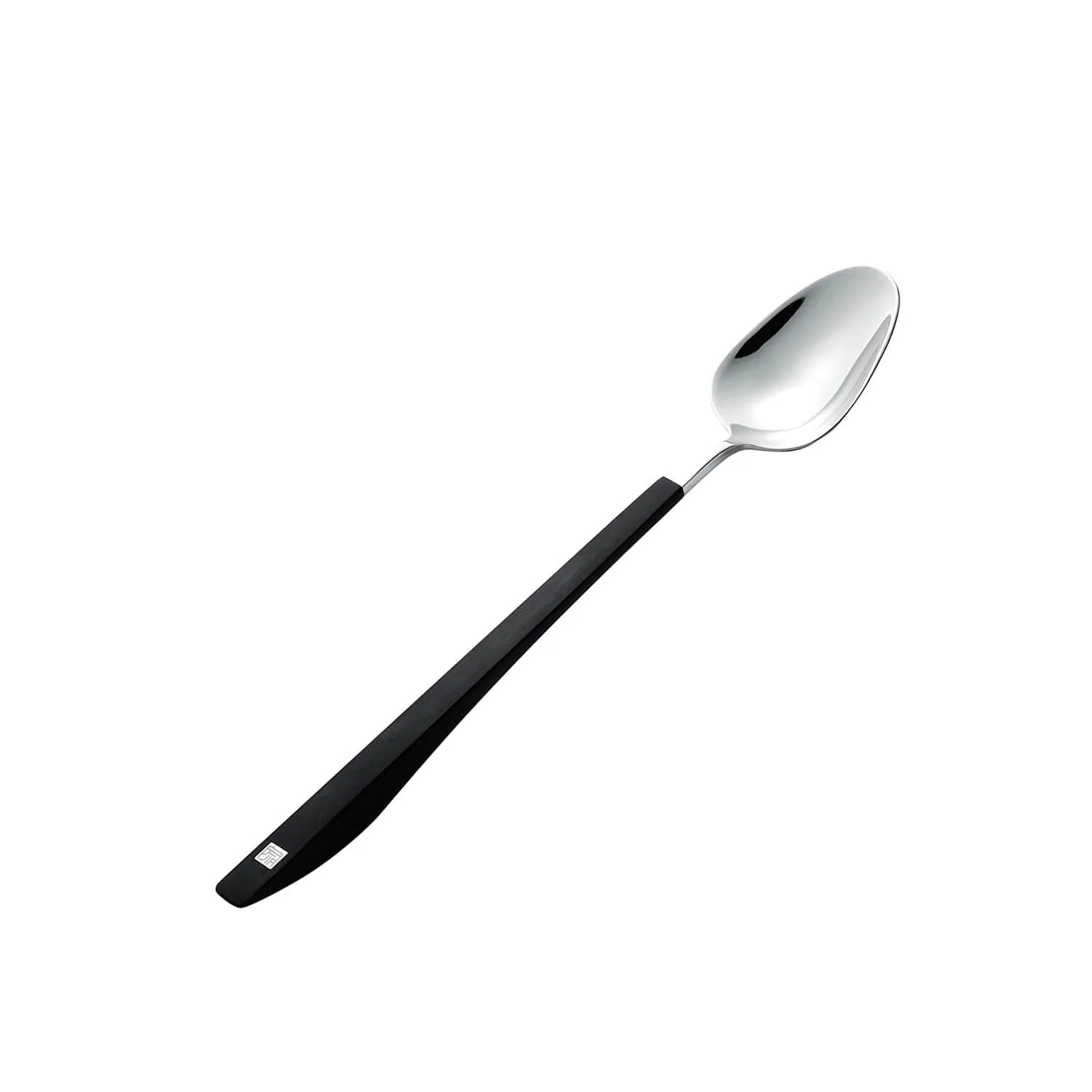
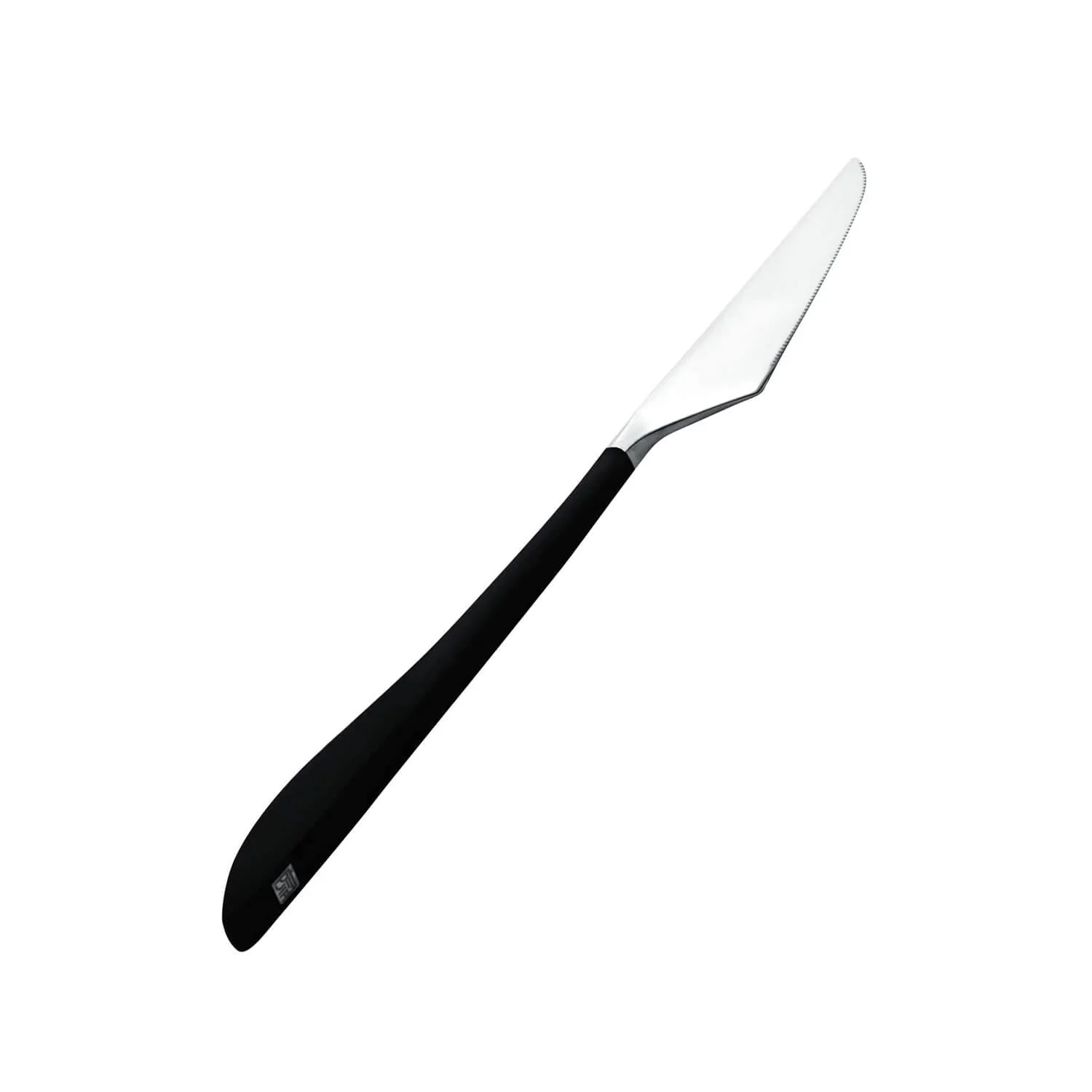
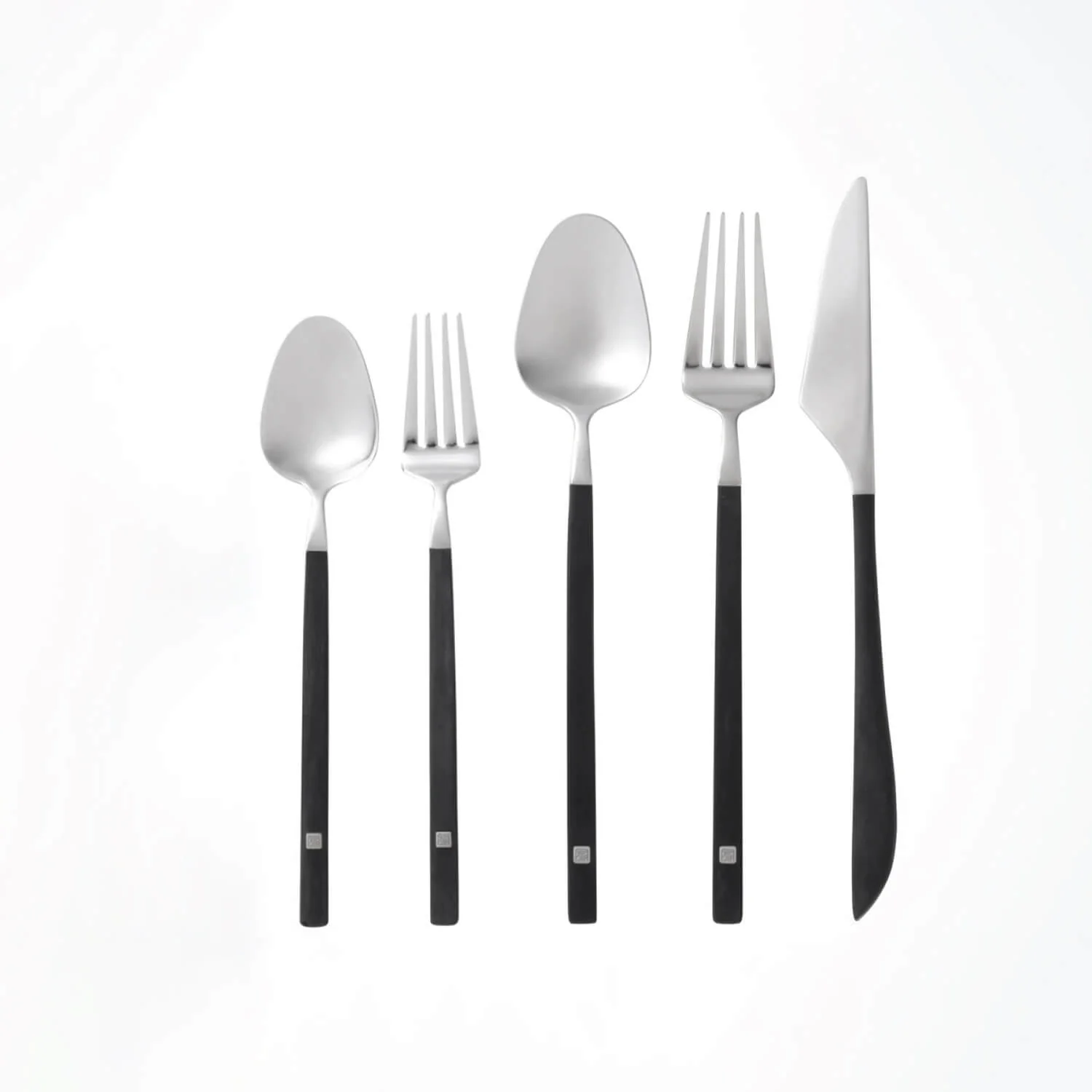
Each piece in the Calligraphy collection translates those brushstroke proportions into stainless steel handles. The result is flatware that reads as both object and gesture, where the weight of the hand and the weight of history meet at the table. Forks, knives, and spoons each carry their own distinct calligraphic character, the form shaped by the specific demands of the stroke it references.
- Designed by Kate Chung
- Inspired by Shou Jin Ti script, developed by Emperor Song Hui Zong, circa 12th century
- Stainless steel construction
- Handles echo the bold, angular geometry of imperial Chinese calligraphy
The collection speaks to a broader sensibility in contemporary design, one that draws from cultural and historical sources not as ornament, but as structure. At the table, these pieces invite a second look.
More Images
Calligraphy Flatware
Designer Kate Chung found her source material in an unlikely archive: the imperial script of Emperor Song Hui Zong, who developed Shou Jin Ti calligraphy at the turn of the 12th century. Known for its razor-thin strokes and disciplined angles, the style carried a quality of controlled tension that Chung recognized as inherently architectural.
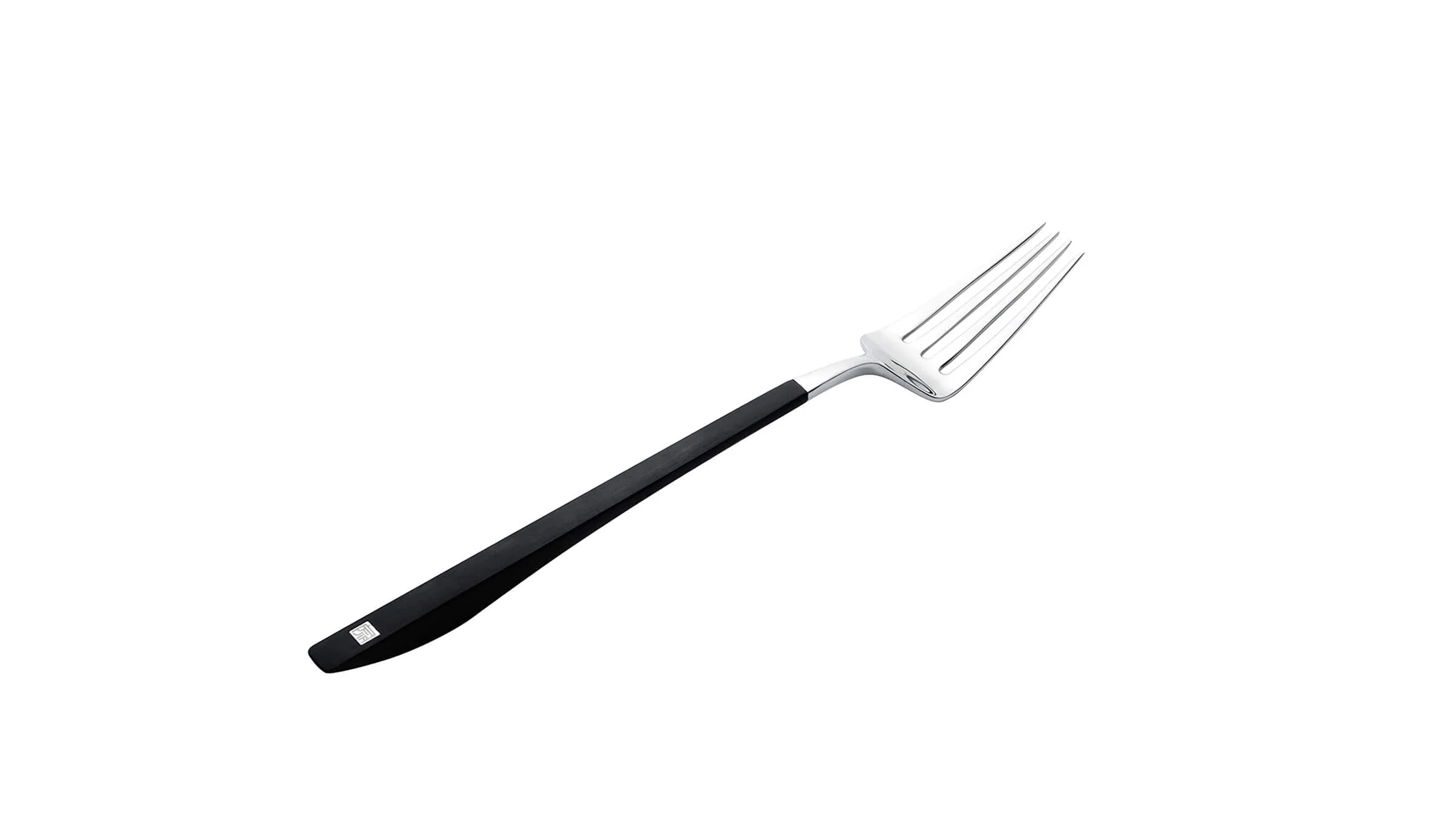
Each piece in the Calligraphy collection translates those brushstroke proportions into stainless steel handles. The result is flatware that reads as both object and gesture, where the weight of the hand and the weight of history meet at the table. Forks, knives, and spoons each carry their own distinct calligraphic character, the form shaped by the specific demands of the stroke it references.
- Designed by Kate Chung
- Inspired by Shou Jin Ti script, developed by Emperor Song Hui Zong, circa 12th century
- Stainless steel construction
- Handles echo the bold, angular geometry of imperial Chinese calligraphy
The collection speaks to a broader sensibility in contemporary design, one that draws from cultural and historical sources not as ornament, but as structure. At the table, these pieces invite a second look.
Product Information
Product Information
Shipping & Returns
Shipping & Returns
Description
Designer Kate Chung found her source material in an unlikely archive: the imperial script of Emperor Song Hui Zong, who developed Shou Jin Ti calligraphy at the turn of the 12th century. Known for its razor-thin strokes and disciplined angles, the style carried a quality of controlled tension that Chung recognized as inherently architectural.
Each piece in the Calligraphy collection translates those brushstroke proportions into stainless steel handles. The result is flatware that reads as both object and gesture, where the weight of the hand and the weight of history meet at the table. Forks, knives, and spoons each carry their own distinct calligraphic character, the form shaped by the specific demands of the stroke it references.
- Designed by Kate Chung
- Inspired by Shou Jin Ti script, developed by Emperor Song Hui Zong, circa 12th century
- Stainless steel construction
- Handles echo the bold, angular geometry of imperial Chinese calligraphy
The collection speaks to a broader sensibility in contemporary design, one that draws from cultural and historical sources not as ornament, but as structure. At the table, these pieces invite a second look.