Beugel Chair
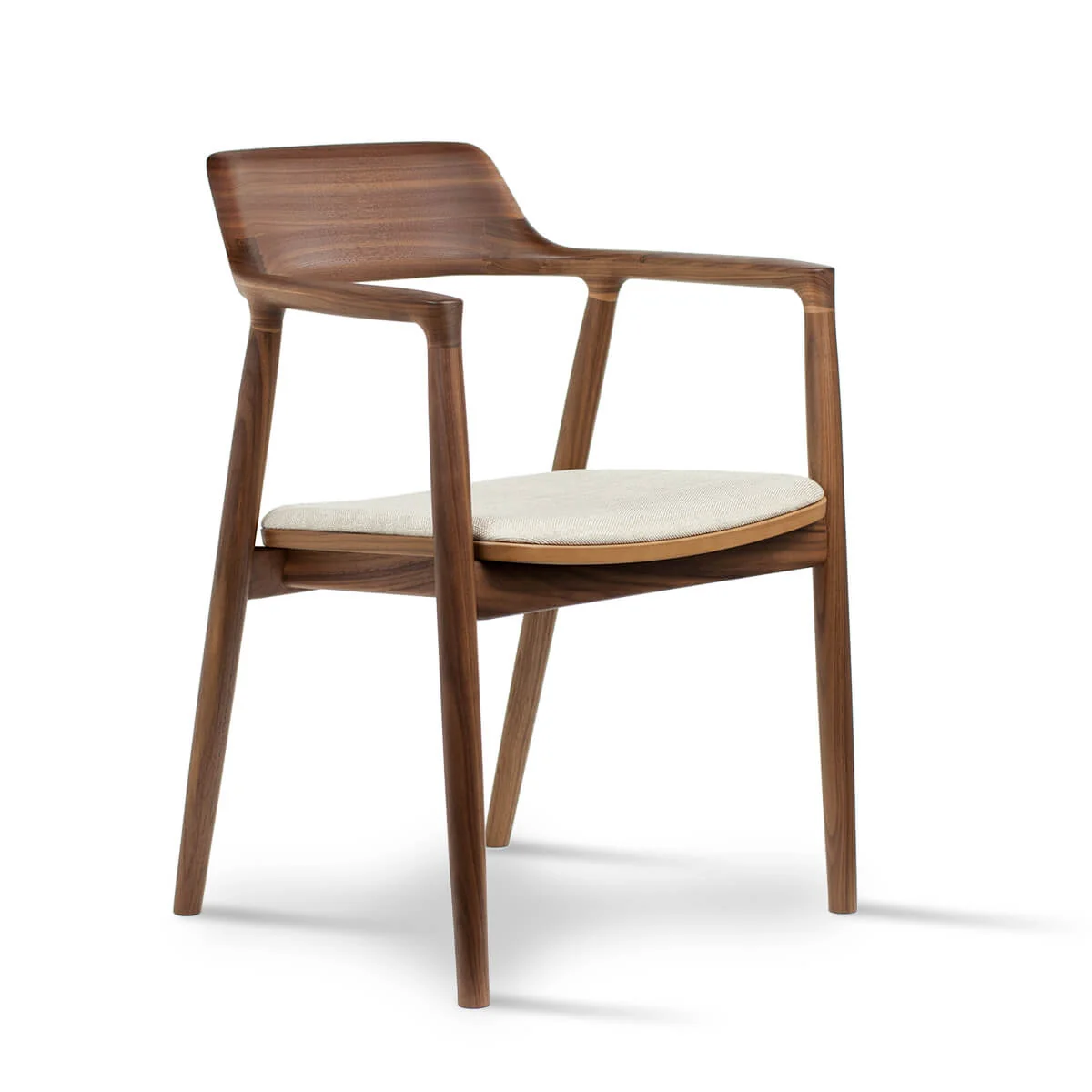
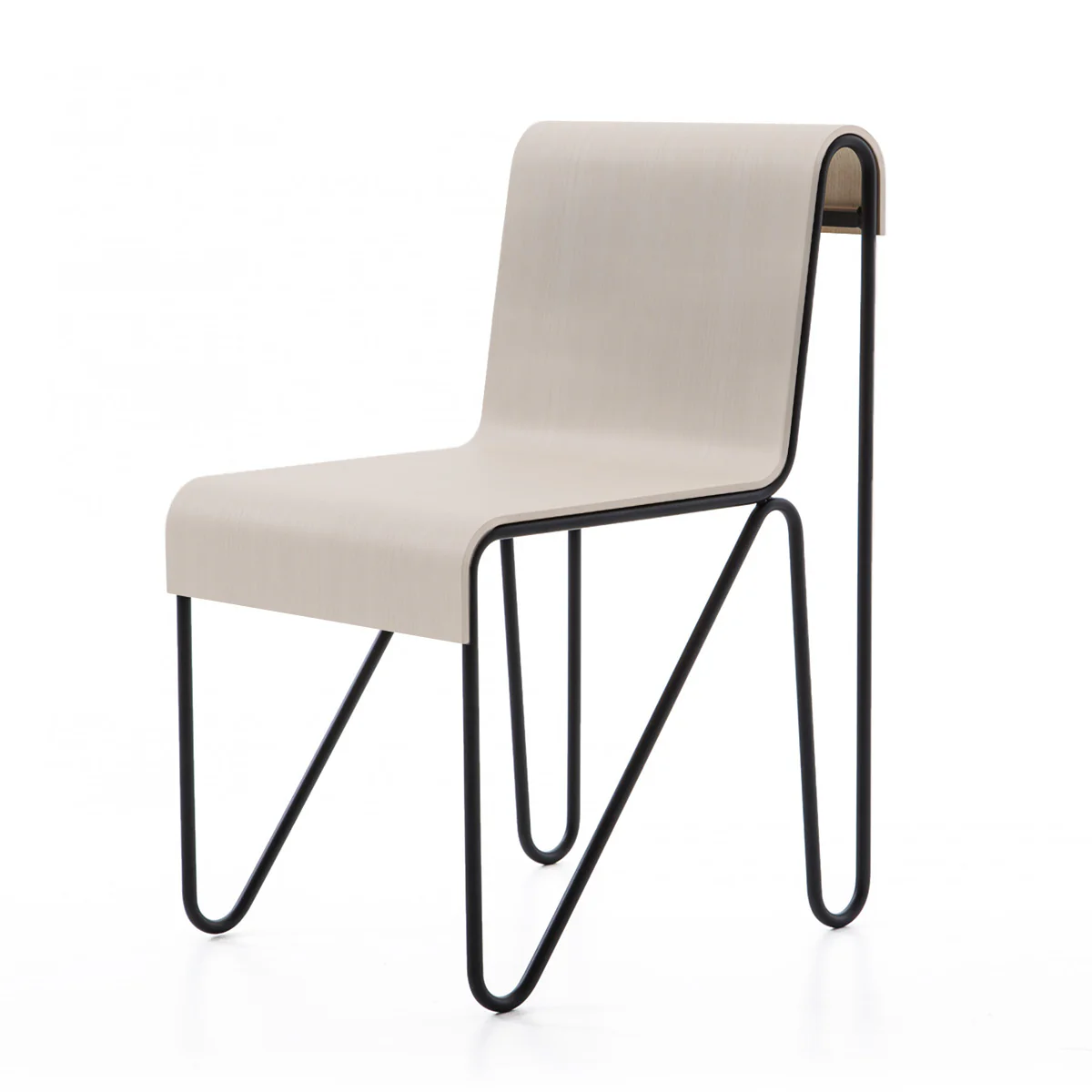
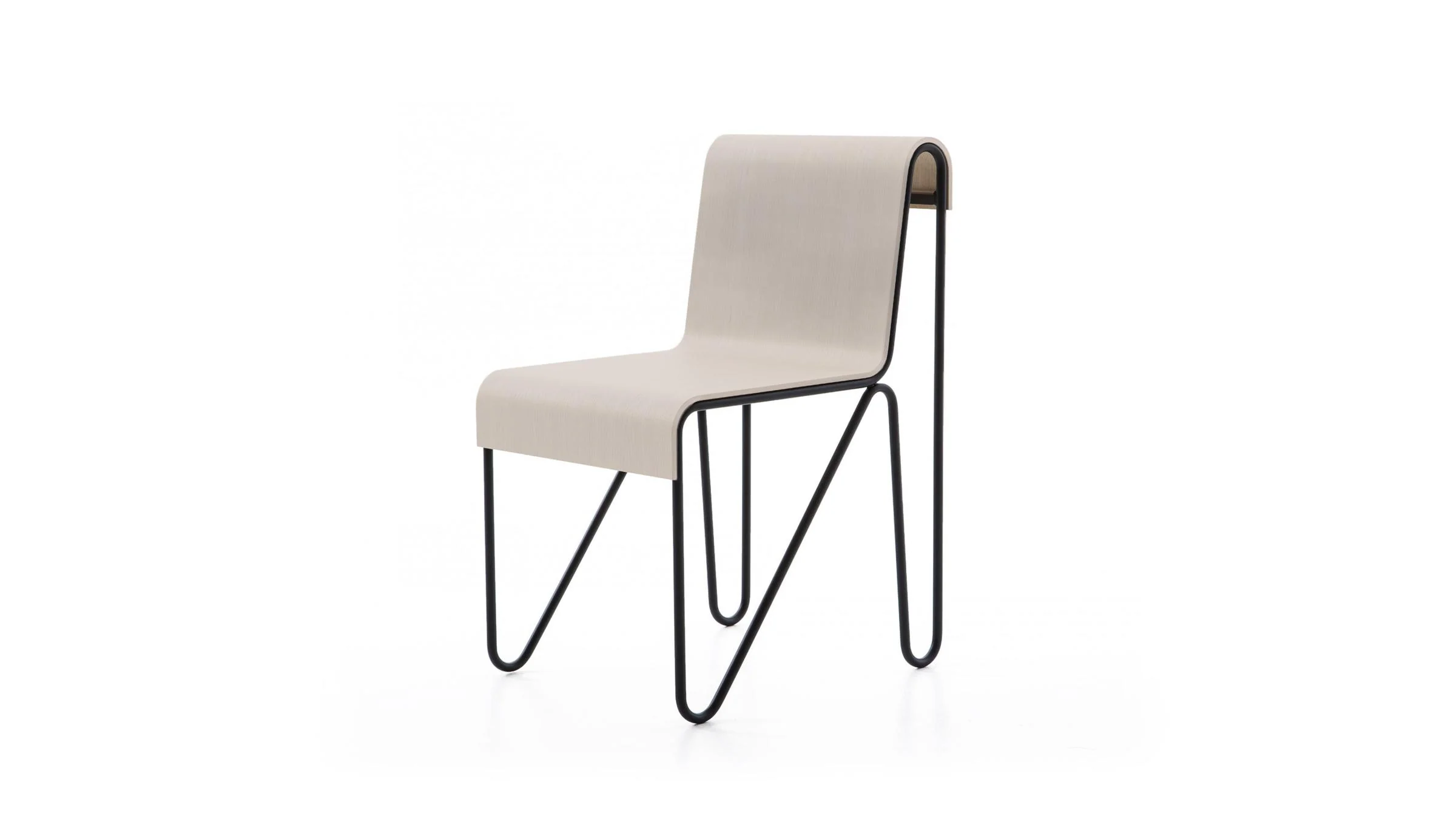
Designed in 1927 and reissued as part of Cassina's I Maestri collection, the Beugel Chair is one of the most quietly radical objects of the early modernist era. Its name, Dutch for "bracket" or "hanger," is not incidental. It describes a structural logic made visible: a continuous bent steel tube frame in which support becomes the composition.
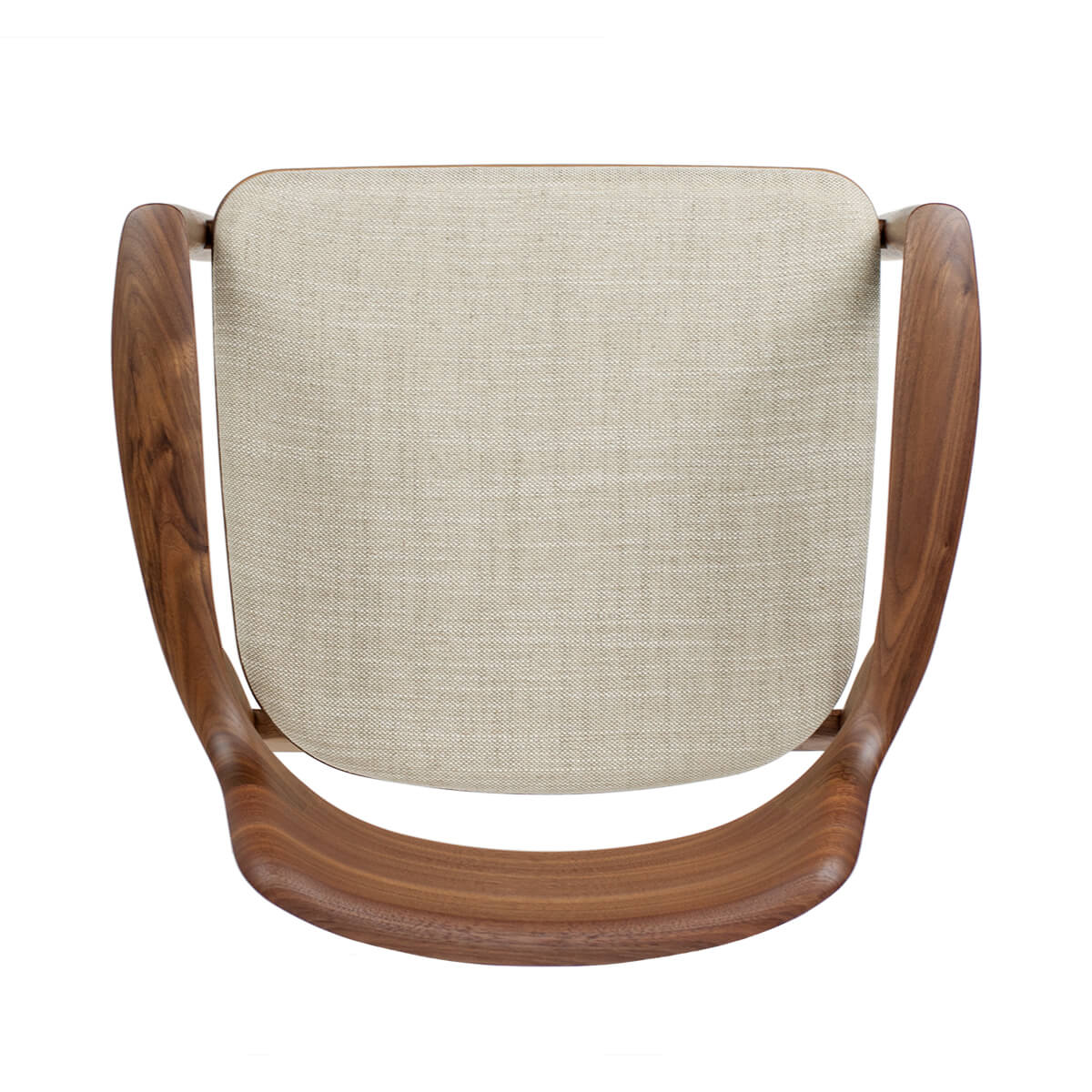
Gerrit Rietveld, a central figure of De Stijl, approached furniture as a spatial problem. Planes and lines in deliberate relation. The Beugel's wooden seat and backrest float within the steel frame, each element legible on its own terms, none concealing its role. The result is a chair that reads almost as a diagram of sitting, yet carries an ease that purely theoretical objects rarely achieve.
- Designed by Gerrit Rietveld, 1927
- Reissued by Cassina as part of the I Maestri collection
- Continuous bent steel tube frame
- Wooden seat and backrest in deliberate contrast to the metal structure
The I Maestri collection preserves the work of twentieth-century masters whose objects fundamentally altered how furniture is conceived. Rietveld's Beugel belongs in that lineage without qualification.
Original: $1,462.23
-65%$1,462.23
$511.78More Images
Beugel Chair
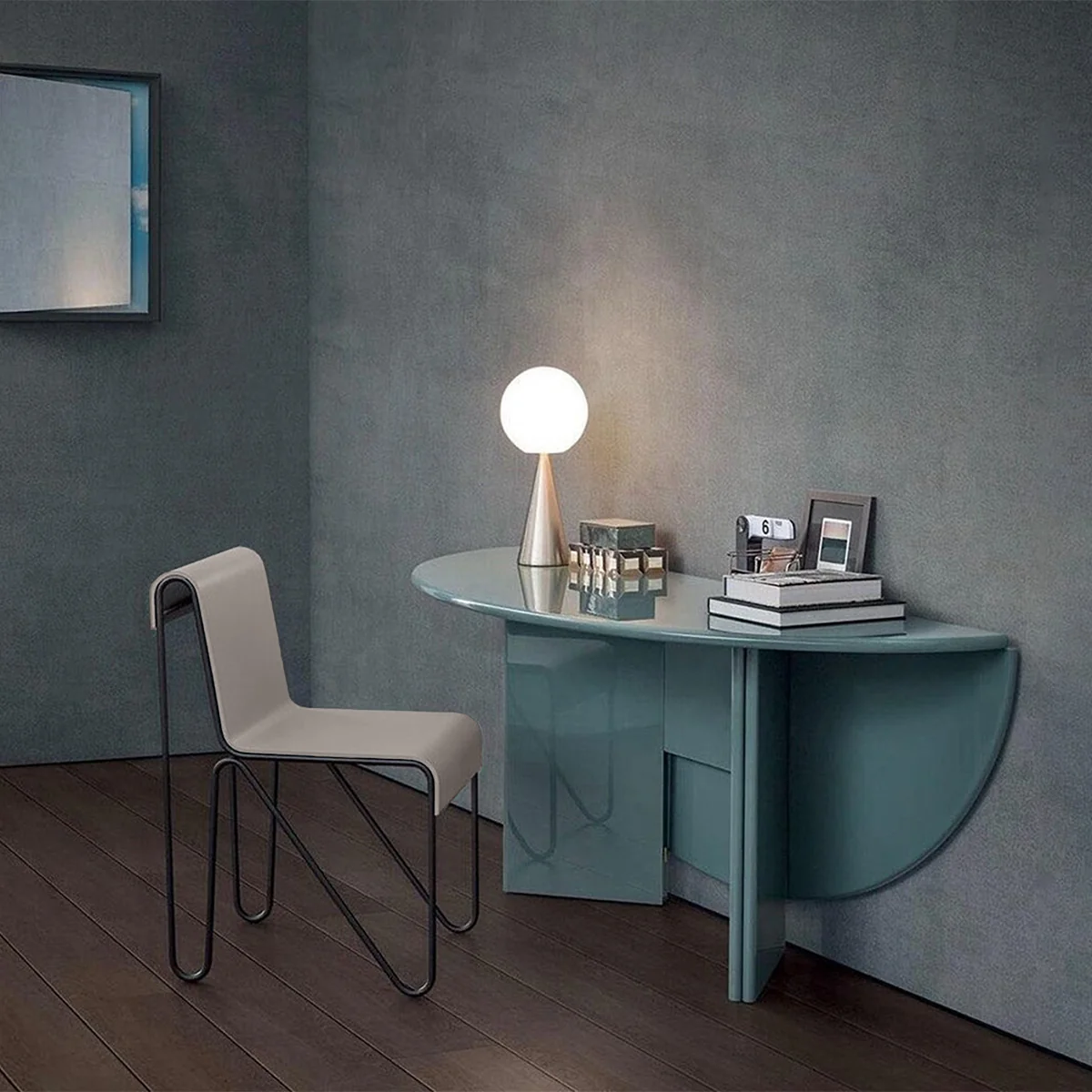
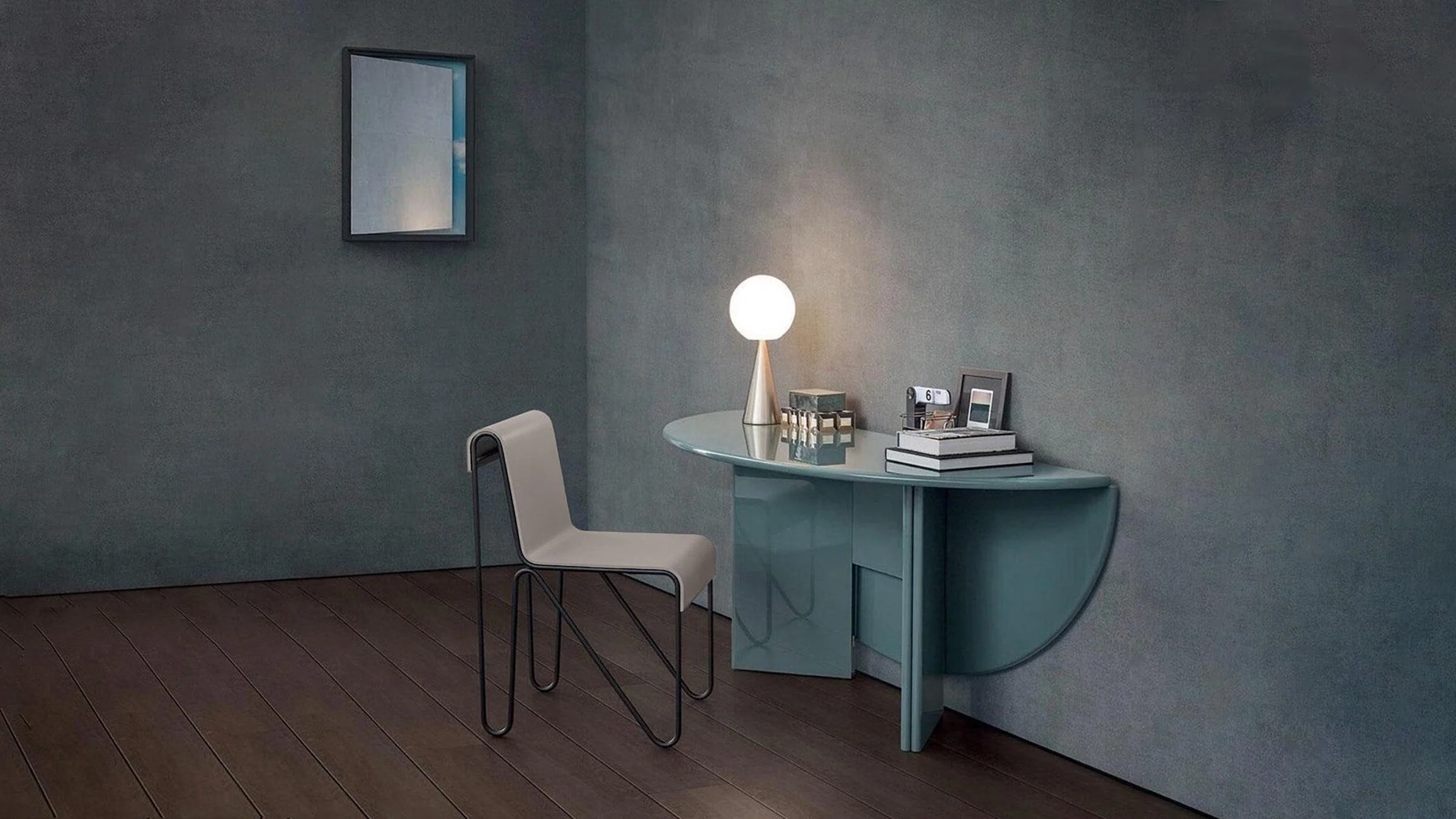
Designed in 1927 and reissued as part of Cassina's I Maestri collection, the Beugel Chair is one of the most quietly radical objects of the early modernist era. Its name, Dutch for "bracket" or "hanger," is not incidental. It describes a structural logic made visible: a continuous bent steel tube frame in which support becomes the composition.
Gerrit Rietveld, a central figure of De Stijl, approached furniture as a spatial problem. Planes and lines in deliberate relation. The Beugel's wooden seat and backrest float within the steel frame, each element legible on its own terms, none concealing its role. The result is a chair that reads almost as a diagram of sitting, yet carries an ease that purely theoretical objects rarely achieve.
- Designed by Gerrit Rietveld, 1927
- Reissued by Cassina as part of the I Maestri collection
- Continuous bent steel tube frame
- Wooden seat and backrest in deliberate contrast to the metal structure
The I Maestri collection preserves the work of twentieth-century masters whose objects fundamentally altered how furniture is conceived. Rietveld's Beugel belongs in that lineage without qualification.
Product Information
Product Information
Shipping & Returns
Shipping & Returns
Description
Designed in 1927 and reissued as part of Cassina's I Maestri collection, the Beugel Chair is one of the most quietly radical objects of the early modernist era. Its name, Dutch for "bracket" or "hanger," is not incidental. It describes a structural logic made visible: a continuous bent steel tube frame in which support becomes the composition.
Gerrit Rietveld, a central figure of De Stijl, approached furniture as a spatial problem. Planes and lines in deliberate relation. The Beugel's wooden seat and backrest float within the steel frame, each element legible on its own terms, none concealing its role. The result is a chair that reads almost as a diagram of sitting, yet carries an ease that purely theoretical objects rarely achieve.
- Designed by Gerrit Rietveld, 1927
- Reissued by Cassina as part of the I Maestri collection
- Continuous bent steel tube frame
- Wooden seat and backrest in deliberate contrast to the metal structure
The I Maestri collection preserves the work of twentieth-century masters whose objects fundamentally altered how furniture is conceived. Rietveld's Beugel belongs in that lineage without qualification.